
What happened
Starkey announced Omega AI+, succeeding last year's Omega AI. Its chip runs four deep neural networks at once, and it adds what Starkey calls the world's first 'DNN dual compressor'. AI-driven Edge Mode now stays on all the time.
Why it matters
The dual compressor decides when to make speech clearer and when to keep sound natural — a tradeoff hearing aids have long struggled with, so users may get clearer speech without manually engaging the device.
What to watch
Starkey's edge is wear time and discretion, so the test is whether four always-on networks hold up against its claimed 51 hours of battery life. The lineup also supports Auracast.
WHO IT HITSPeople with hearing loss — especially older users who are apprehensive about AI — stand to benefit if the always-on processing works as described. Hearing-aid makers and wearable health-tech rivals now face a device pitched as both a medical aid and a lifestyle product.
Summaries like this, in your inbox every morning.
Starkey is framing the launch around a shift in how hearing aids are positioned. Its CEO, Brandon Sawalich, has called the ear "the new wrist", a nod to the wearable tech market occupied by Apple Watches, Whoop bands and Oura rings, and Omega AI+ leans further into that idea with new sleep tracking alongside the fitness and health features Starkey has been adding. The company's chief hearing health officer, Dave Fabry, described patients who want AI's benefits at a subconscious level — they want improved speech understanding in quiet and in noise without having to engage with the device more than necessary.
That framing puts Starkey in the same conversation as Apple, whose AirPods Pro 3 offer heart-rate sensing and live translation and which Apple says can work as a clinical-grade hearing aid for mild-to-moderate hearing loss. Sawalich has said he welcomes the attention, arguing people need to understand there is no more stigma around hearing aids and hearing technology. What Starkey argues sets it apart is wear time and discretion: Sawalich said the company has to design a product that is nearly invisible and built for 14 hours a day, and he has said AirPods have shorter battery life, which makes them difficult for people with more significant hearing loss to wear throughout the day.
The stakes appear to hinge on whether that combination holds up in daily use — whether the claimed 51 hours of battery life can support four deep neural networks running continuously, and whether the discretion Sawalich describes is enough to keep Starkey distinct as large tech companies push further into hearing health. The company is also betting that making the device feel like a lifestyle product, rather than a medical one, is what will draw in users who might otherwise be put off by AI.
Pick your industry and the AI tools you use, and get news related to your work every day.
Free · 30 seconds with Google · unsubscribe anytimeWhat is AIToday? →
Ask AI anything about this article. The AI reads this article, earlier AIToday articles, and Wikipedia, and cites its sources. Q&As are published on this page for other readers too.
Microsoft launched MAI-Transcribe-2-Streaming, its first streaming transcription model, priced at 54 cents per…
Microsoft AI said it released MAI-Transcribe-2-Streaming, which returns provisional results in just over 100 m…
Microsoft released MAI-Transcribe-2-Streaming on October 1, 2026

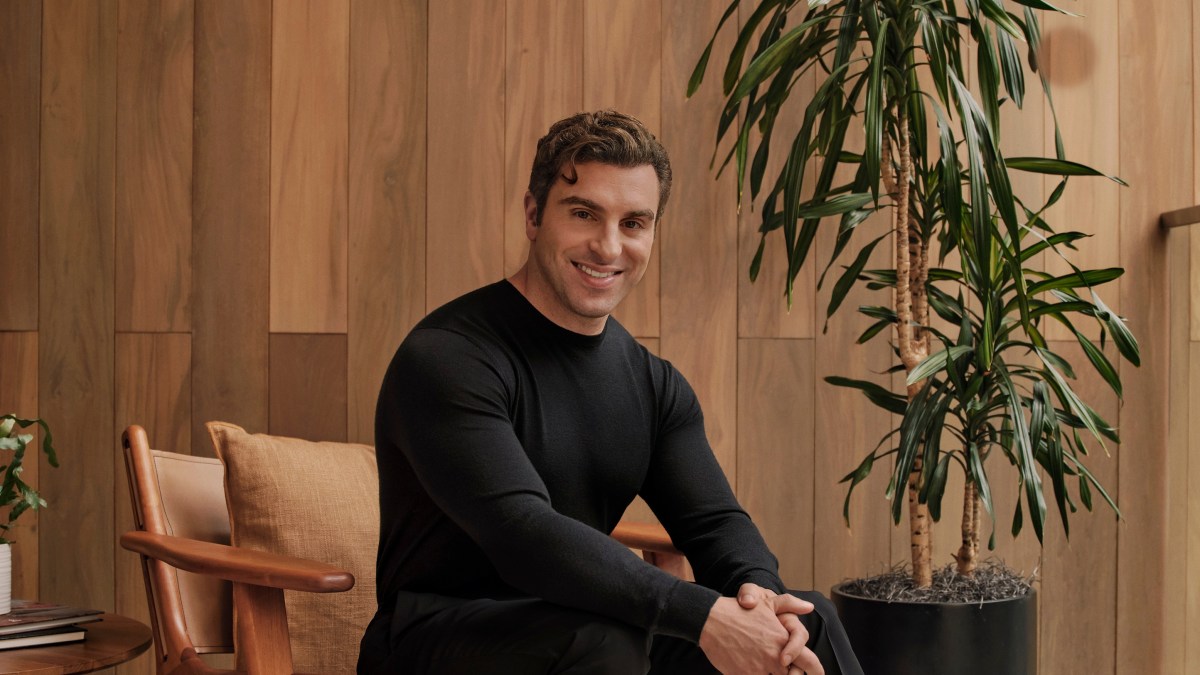
Airbnb CEO Brian Chesky said he has used Airbnb on the agents Muse and Instinct and "it doesn't work very well…
Creatune's Alex wrote that the current AI cover screen offers two paths — a Voice Cover, which keeps the song'…

A Reddit analysis of audio.cpp mapped shared building blocks across 100+ audio models