
What happened
Indie developer Robert Varadan argues that AI models like Opus 5.5 and GPT-6 Astra can clone game demos from a single prompt, but cloning the full game — writing, edge cases, marketing, community — remains far harder.
Why it matters
If cloning a demo cannot replicate how a game feels to play or what it takes to release it, then fears that AI thieves will steal indie games are overstated, and developers may not need to stop building in public.
What to watch
Whether the predicted harm materializes depends on whether 'slop clones' can attract real players, not just viral attention — a test the original game still looks likely to pass. Watch whether any clone manages to build post-launch support and community.
WHO IT HITSIndependent game developers who share early work publicly may find their fear of AI cloning is greater than the actual financial threat. The same logic could apply to other creators who build in public, though the body does not make that claim.
Summaries like this, in your inbox every morning.
The article is written by Robert Varadan, an indie developer responding to a wave of posts showing AI models generating games from text prompts. He acknowledges that these demos are real capabilities — models like Opus 5.5 and GPT-6 Astra can produce a surface-level clone from a single prompt, and he notes models did not have this ability six months ago. He also recognizes why developers are alarmed by figures like @AdamHoltererer, who clones indie demos to benchmark new models, and by @WeaselPit's claim of a $200 blackmail attempt.
His central argument is that cloning a demo is not the same as cloning a game. What makes a game worth playing — the writing, environment, lore, sound, edge-case handling, and the labor of quality assurance, marketing, community-building, and post-launch support — is not something a single prompt can produce. He compares this to the mockbuster phenomenon, where low-budget films released to piggyback on a big movie's marketing ultimately failed to overshadow the originals, even when released a day earlier. The 'Needle in a Haystack' incident, often cited as proof that AI theft is already here, actually supports his point: the original game has 23,000 playtesters while the clones have not come close.
His closing view is that human art has intrinsic value and AI can help indie developers tell their stories, much as YouTube helped earlier creators. The stakes, then, hinge on whether the fear of cloning is really about AI in general, and whether the gaming industry's next viral hit will come from original creators rather than from those who copy them.
Pick your industry and the AI tools you use, and get news related to your work every day.
Free · 30 seconds with Google · unsubscribe anytimeWhat is AIToday? →
Ask AI anything about this article. The AI reads this article, earlier AIToday articles, and Wikipedia, and cites its sources. Q&As are published on this page for other readers too.
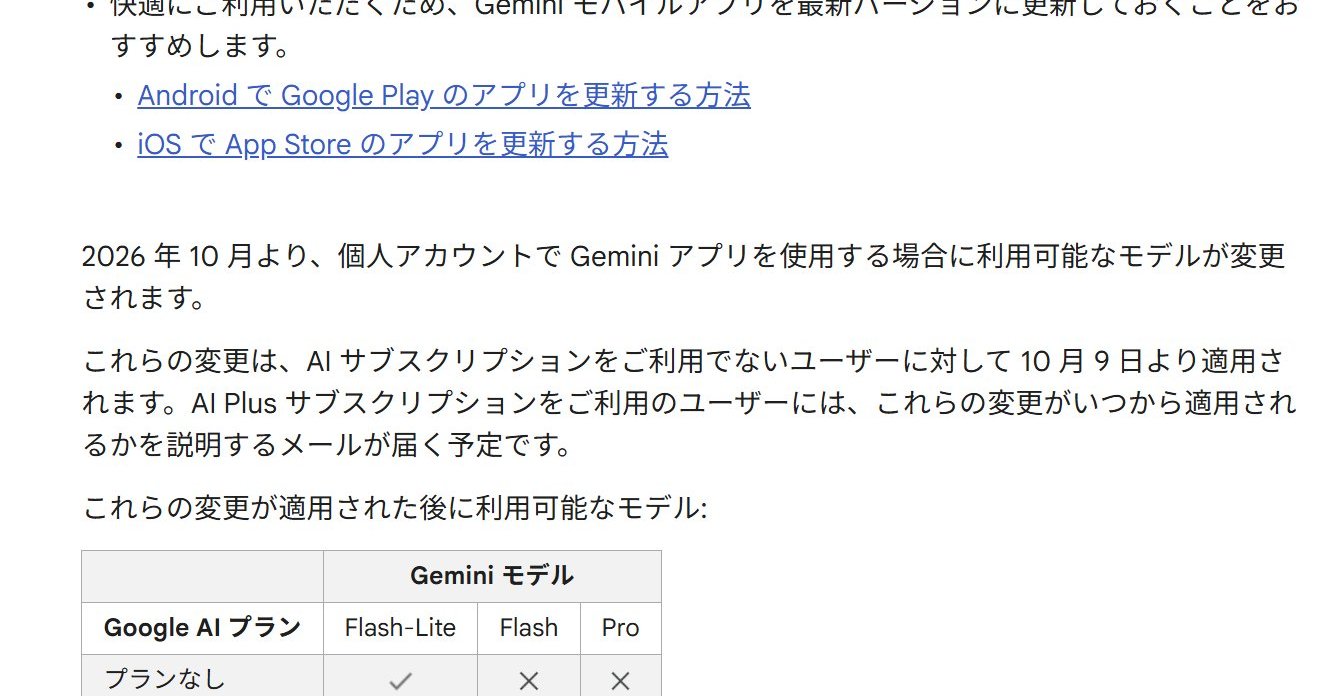
Google said free Gemini app users will be restricted to the "Flash-Lite" model starting October 9; "Flash" nee…
A developer published Rai, a small Rust engine that runs language models on an ordinary PC's CPU, using only t…
The developer published fk2000/minecraft-ai-bot, which uses Jev to assemble instructions, Gemini to pick from…

On September 22, 2026, Anthropic announced Claude Opus 5.5 at $4 input / $20 output per million tokens, then O…
A developer writing on Zenn compressed the full list of instructions he gives AI — intent, completion criteria…
CoWorker security tech lead Ito described running CI-watch, parallel-review and overnight loops in Claude Code…

