What happened
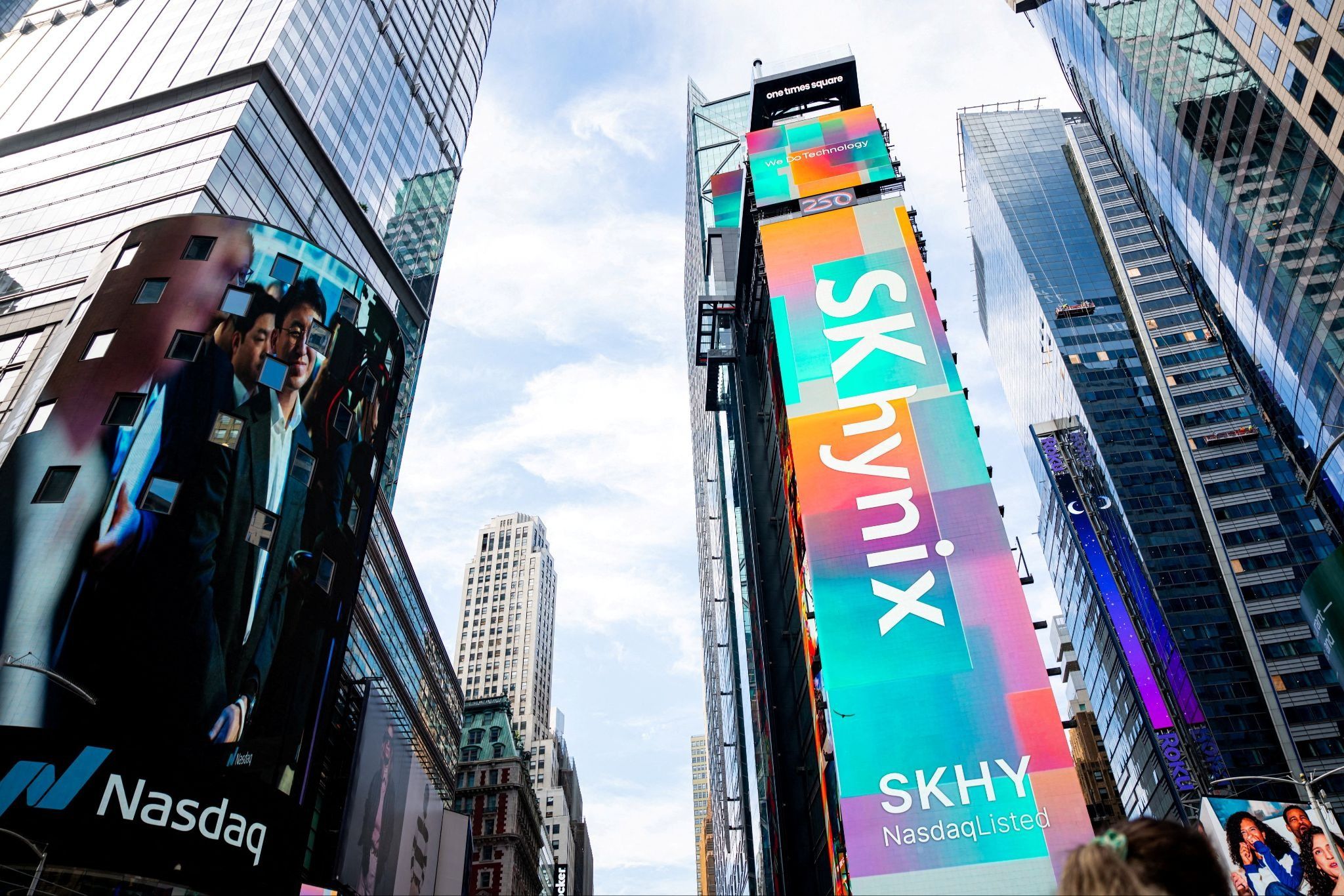
SK Hynix closed down 9.61% after posting record quarterly profit, while other chip makers also fell sharply. Alphabet's stock slumped last week despite 82% cloud revenue growth, with investors worrying about its $205 billion capital expenditure this year. By contrast, Apple—which has largely avoided heavy AI spending—briefly reached $5 trillion in market value on Tuesday.
Why it matters
The selloff signals investor concern that tech giants' enormous AI spending may be unsustainable, even as chip companies report strong earnings. This represents what one analyst called a "correction to a little bit of the [AI] froth," suggesting the market may be reassessing whether current investment levels are justified.
What to watch
The divergence between AI-heavy spenders (Alphabet, chip makers) and AI-cautious players (Apple) shows the market is discriminating based on spending strategy. How long this correction lasts and whether other tech firms adjust their capital plans will signal whether the industry's AI investment thesis has shifted.
Summaries like this, in your inbox every morning.
The tech market is experiencing a sharp reversal despite blockbuster earnings from chip makers, revealing a fundamental shift in investor sentiment around artificial intelligence spending. SK Hynix's 9.61% drop following record quarterly profit suggests that strong operational performance no longer guarantees share price strength—the market has shifted focus to sustainability of capital allocation. Alphabet exemplifies this tension: an 82% increase in cloud revenue, a core AI business metric, failed to prevent stock losses because investors are troubled by the company's $205 billion capital expenditure commitment for the year.
This divergence appears to reflect what analysts describe as a "correction to a little bit of the [AI] froth," but may signal deeper structural concerns about whether the scale of AI investment across the tech industry remains justified. The sharp contrast with Apple's rise to near-$5 trillion status is telling: investors are now rewarding the company that has deliberately sidestepped the AI spending race, suggesting the market may be recalibrating its view of where value lies—not in aggressive AI buildout, but in capital discipline and profitable growth.
Pick your industry and the AI tools you use, and get news related to your work every day.
Free · 30 seconds with Google · unsubscribe anytimeWhat is AIToday? →
Ask AI anything about this article. The AI reads this article, earlier AIToday articles, and Wikipedia, and cites its sources. Q&As are published on this page for other readers too.

