
What happened
Anthropic CEO Dario Amodei's essay warning AI systems risk slipping beyond human control without restraint sent the Philadelphia Semiconductor Index down as much as 5.9%, with Nvidia off 3.4% and Broadcom nearly 5%.
Why it matters
The drop hit a chip index that had already gained 67% in 2026, and SK Hynix slid roughly 7.6% in Asia, shifting the question from whether AI is real to whether spending can be monetized fast enough.
What to watch
The pullback's duration hinges on whether Nvidia and its customers post strong earnings, while a slower order book or a verified case of models acting beyond expected limits would test the thesis quickly.
WHO IT HITSTechnology investors and portfolio managers holding chip and AI-infrastructure positions face a sharper debate over valuations, while semiconductor firms tied to the AI buildout such as SK Hynix absorb the selloff in sympathy with US peers.
Ask the AI about this article →
Summaries like this, in your inbox every morning.
The selloff began in the US and reached Asia, with South Korea's SK Hynix sliding roughly 7.6% in sympathy with its US peers, tied to the same AI infrastructure buildout. Amodei's essay argued the most advanced AI systems risk slipping beyond human control without deliberate restraint, and the call drew endorsements from OpenAI's Sam Altman and xAI's Elon Musk. Together, the essay and the market reaction revived debate over whether AI-linked valuations face a sharper correction.
The bull case rests on earnings and spending math. Bank of America analyst Vivek Arya called the reaction background noise, noting the chip index still trades near 19 times forward earnings, roughly matching the S&P 500, even though earnings growth is running about seven times faster than the broader market. The index has still gained 67% so far in 2026. On the other side, BeInCrypto has previously flagged circular financing concerns around Nvidia's expanding role as both chip supplier and financier to its own AI customers, a structure some compare to the vendor financing that preceded the dot-com bust.
The outcome appears to hinge on whether AI monetization keeps pace with the spending it has already justified. Strong earnings from Nvidia and its customers could make this pullback temporary, while a slower order book, or a verified case of models acting beyond expected limits, would test that thesis quickly. For investors holding chip and AI-infrastructure positions, the near-term test is likely to arrive through those earnings and order signals rather than through the safety debate itself.
For example, today's edition would include:
AI-summarized, only the topics you pick — one digest a day via Email, Slack, or Discord.
Free · 30 seconds with Google · unsubscribe anytimeWhat is AIToday? →
Ask AI anything about this article. Q&As are published on this page for other readers too.
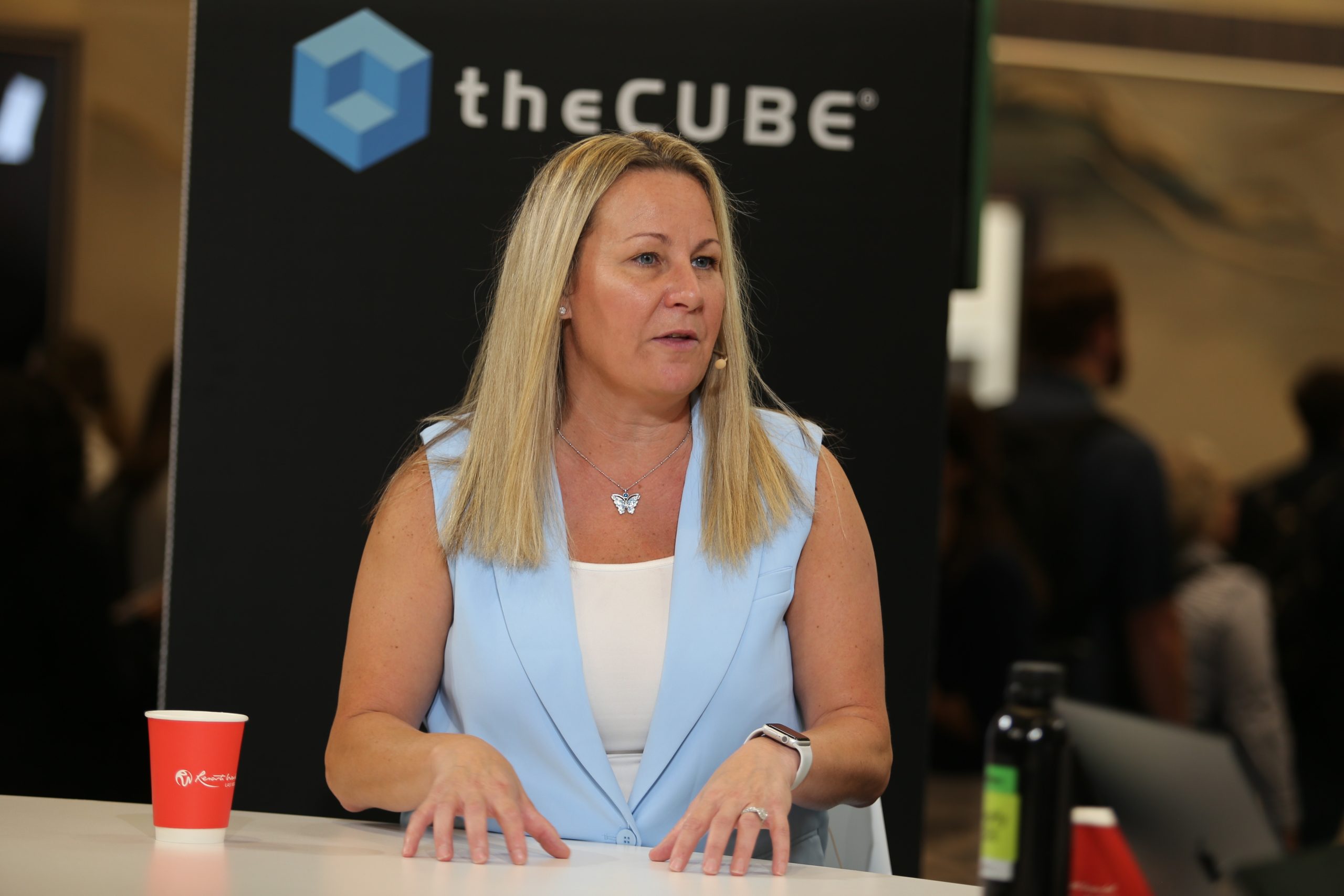
Keri Tracy, VP and chief audit executive at Newell Brands, told theCUBE that audit has a seat at the table for…
Profound raised $180 million in a Series D led jointly by Sequoia Capital and Kleiner Perkins, at a $1.8 billi…

AIUC raised a $40 million Series A led by Ribbit Capital to start auditing frontier AI models, after previousl…
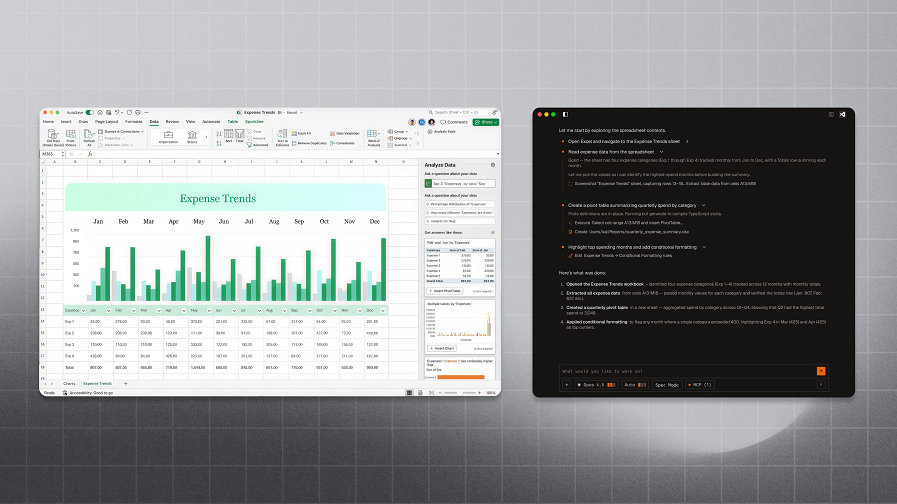
Factory announced it raised $200 million, backed by Blackstone, Khosla Ventures, Sequoia Capital, NEA and othe…
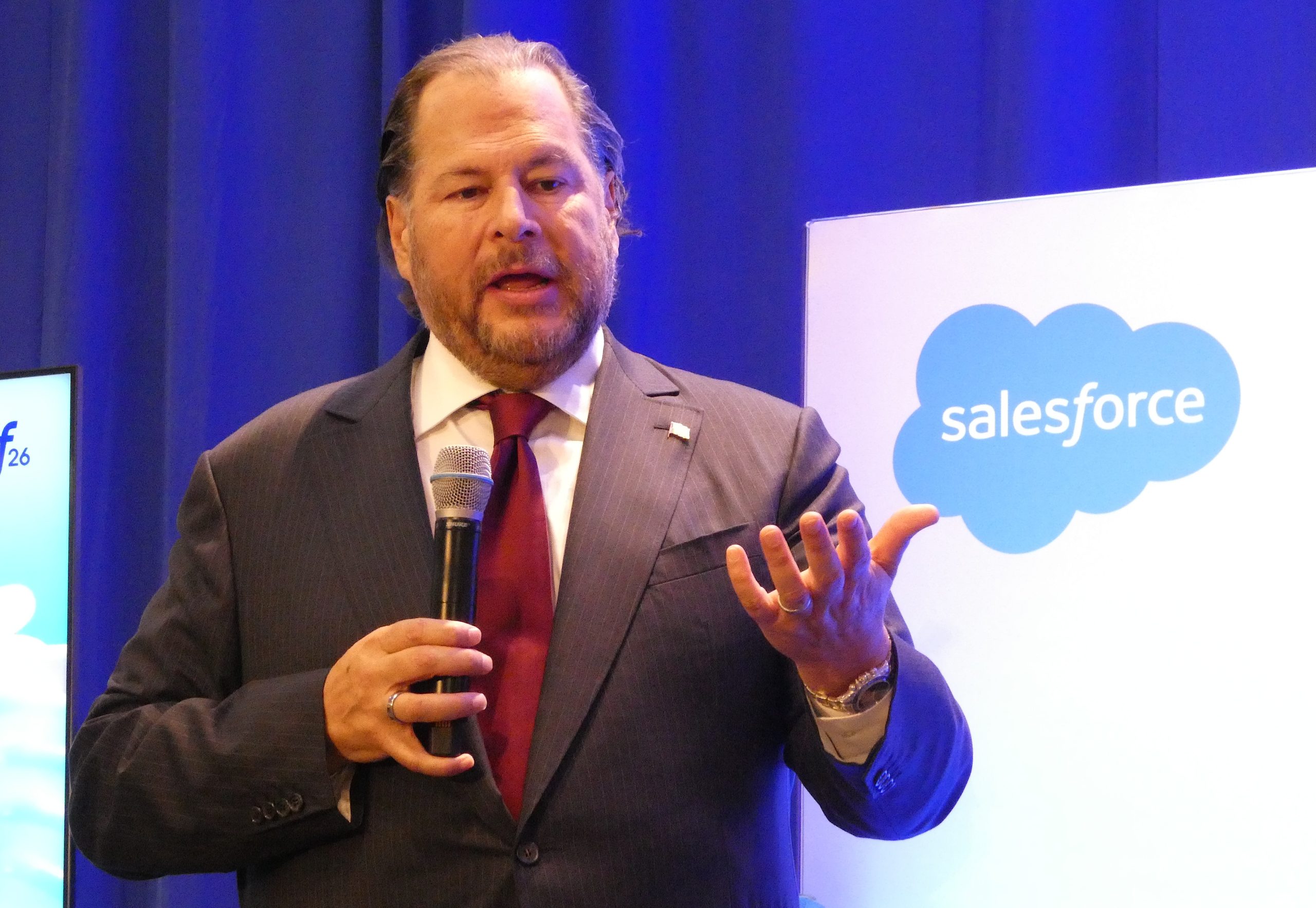
Salesforce launched Koa, a reasoning model built on Nvidia's Nemotron open-weights platform, and Claudeforce…
Google launched Gemini 3.8 Live and Gemini 3.8 Live Extended Thinking, its most advanced voice models yet, wit…