
Applied Intuition has built a physical AI platform spanning simulation and RL infrastructure, operating systems for vehicles and machines, and fundamental AI models for autonomy. The company powers cars, trucks, construction and mining equipment, agriculture, defense, and driverless L4 trucks running in Japan today.
Physical AI differs from screen-based AI because safety-critical machines like driverless trucks and autonomous vehicles require much higher reliability—learned systems can make mistakes in chat or coding, but failures in real hardware are far more costly.
The core bottleneck in autonomy is no longer model intelligence but deployment onto constrained hardware: onboard vehicle models need millisecond-level latency, low power, and small size, while data-center models can be huge and slow. Validation is shifting from binary pass/fail requirements toward statistical safety metrics measuring "how many nines" of reliability and mean time between failures.
Ask the AI about this article →
For example, today's edition would include:
AI-summarized, only the topics you pick — one digest a day via Email, Slack, or Discord.
Free · takes 30 seconds · unsubscribe anytimeWhat is AIToday? →
Ask AI anything about this article. Q&As are published on this page for other readers too.
Geek+ reported interim results for the six months ended 30 June 2026

GE Aerospace's Lynn, Massachusetts facility is integrating robots and AI into its manufacturing operations, re…

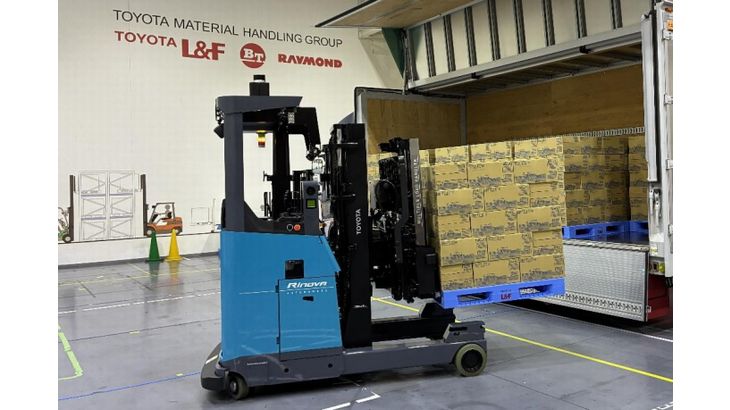
Suntory Logistics and Toyota Industries announced on September 1 that they will begin a demonstration test in…
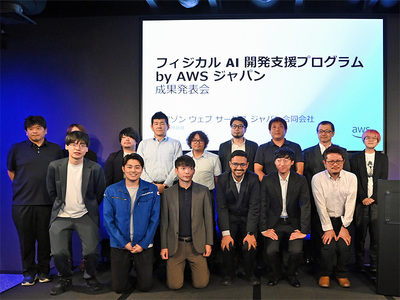
AWS Japan held a成果発表会 on August 31, 2026, where 13 projects from 14 companies presented results from its physi…
Google DeepMind unveiled Gemini Robotics 2, the latest vision-language-action (VLA) model, with whole-body con…
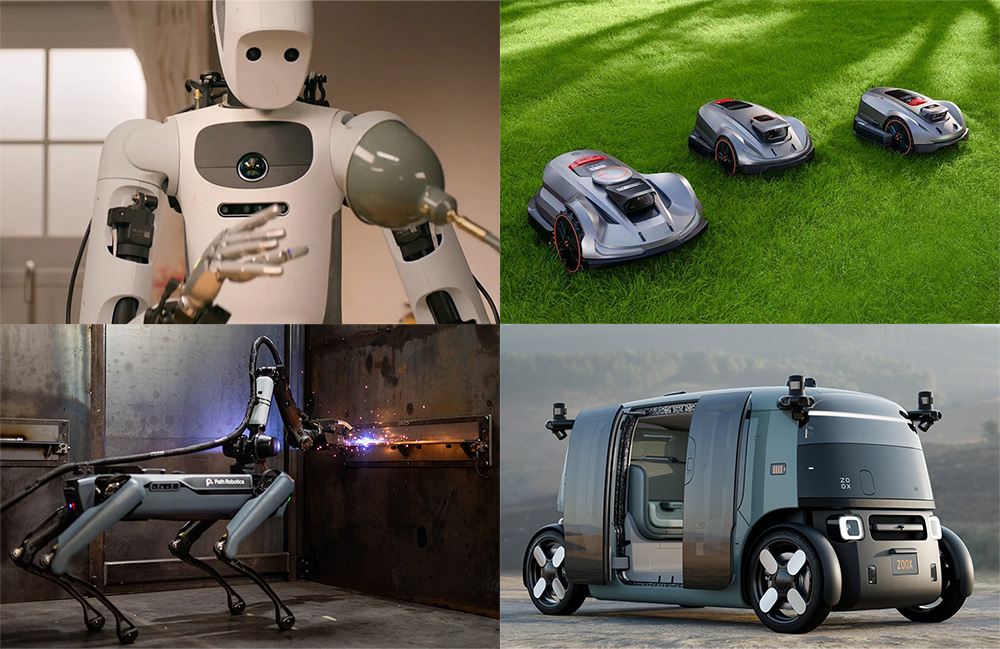
At RoboBusiness 2026, held Oct