What happened
The roundup spotlights Tencent's commercially usable open-weights World Model, which takes instructions every 5 seconds and stays coherent for about a minute, and Japan's Haru 4B voice model, released roughly three weeks after Block's Desa. It also covers Stanford's Flash ALOHA, which catches balls in mid-air and exceeds 80% success on tasks like folding clothes and battery swapping using ordinary cameras.
Why it matters
These advances show that open-weight and open-source AI is moving into video-world generation, natural voice conversation, and fast robot learning, putting capabilities once limited to big labs within reach of individual developers. The World Model and Haru 4B being openly available is a key part of that shift.
Summaries like this, every morning.
The roundup arrives as large language model updates dominate headlines, but the projects collected here show progress across video generation, voice interfaces, 3D content, and robotics. Tencent's World Model stands out for being released as commercially usable open weights, meaning outside developers can build on it directly. Similarly, Haru 4B from Japanese startup Higurashi appeared roughly three weeks after Block's Desa, suggesting a quickening pace in open voice AI research. On the robotics side, Stanford's Flash ALOHA demonstrates that fast, dexterous tasks can be learned from about 50 human demonstrations per task and run with ordinary cameras, while UCLA's PhoneBot shows how low-cost hardware can be paired with smartphone brains and cloud AI. The summary notes that many of these tools are open source or open weight, which could let individual developers prototype robots that move autonomously and converse naturally at home, a capability once confined to large companies and research institutions.
Pick your industry and the AI tools you use, and get news related to your work every day.
Free · 30 seconds with Google · unsubscribe anytimeWhat is AIToday? →
Ask AI anything about this article. The AI reads this article, earlier AIToday articles, and Wikipedia, and cites its sources. Q&As are published on this page for other readers too.
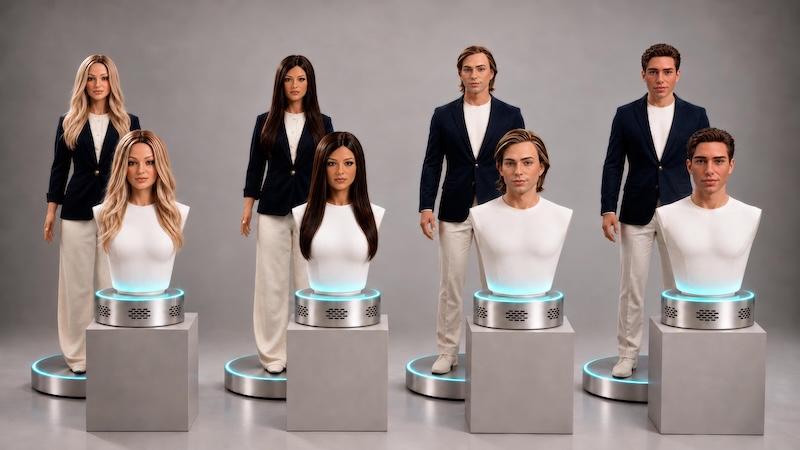
Realbotix launched two Echo humanoid robots — the $11,950 Echo Tabletop with 17 degrees of freedom and the $59…
Daniel van Strien of Hugging Face tested eight open OCR models on 850 pages from old natural history books, th…
VIDRAFT tested 20 widely used open-weight models with 8 simulated tools and 100 attack instructions; all 20 at…
Researchers and engineers at several Chinese humanoid robot makers, including Xpeng and Engine AI, had US visa…

Omron said it will acquire U.S
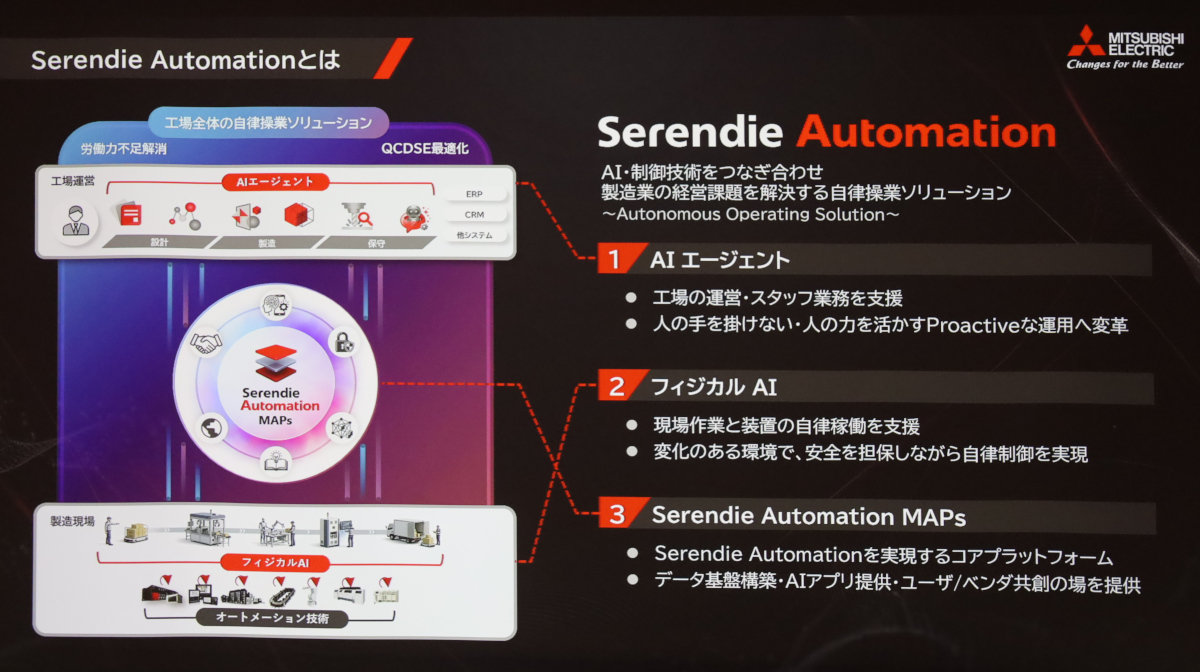
Mitsubishi Electric announced Serendie Automation on November 18, 2026, an integrated brand built on AI agents…