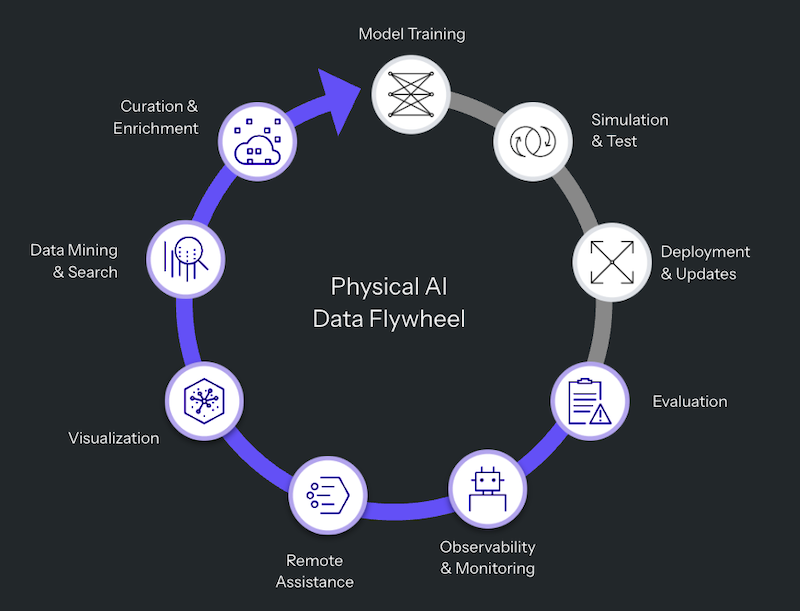
Foxglove, a platform used by robotics companies to manage camera and sensor data from their robots, released 'Data Search and Curation'—a feature that lets engineers search across large volumes of recorded robot behavior to find specific moments (crashes, sensor failures, unusual movements) instead of manually reviewing hours of footage.
Instead of jumping between separate tools to organize robot data, teams now use one unified workspace where they can tag important events and anomalies (unexpected behavior that signals a problem), then instantly retrieve similar patterns across their entire data archive—similar to how you'd search your email instead of scrolling through folders.
For robotics startups and manufacturers training AI models to make robots work reliably, this eliminates the tedious work of manually curating training data (the examples an AI learns from). Teams can now spend more time improving their AI models and less time searching through terabytes of video and sensor logs.
Ask the AI about this article →
For example, today's edition would include:
AI-summarized, only the topics you pick — one digest a day via Email, Slack, or Discord.
Free · takes 30 seconds · unsubscribe anytimeWhat is AIToday? →
Ask AI anything about this article. Q&As are published on this page for other readers too.
Geek+ reported interim results for the six months ended 30 June 2026

GE Aerospace's Lynn, Massachusetts facility is integrating robots and AI into its manufacturing operations, re…

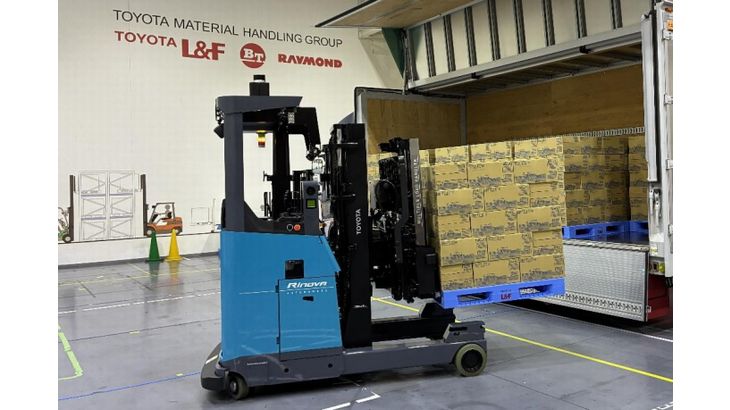
Suntory Logistics and Toyota Industries announced on September 1 that they will begin a demonstration test in…
AWS Japan held a成果発表会 on August 31, 2026, where 13 projects from 14 companies presented results from its physi…

Google DeepMind unveiled Gemini Robotics 2, the latest vision-language-action (VLA) model, with whole-body con…

At RoboBusiness 2026, held Oct