What happened
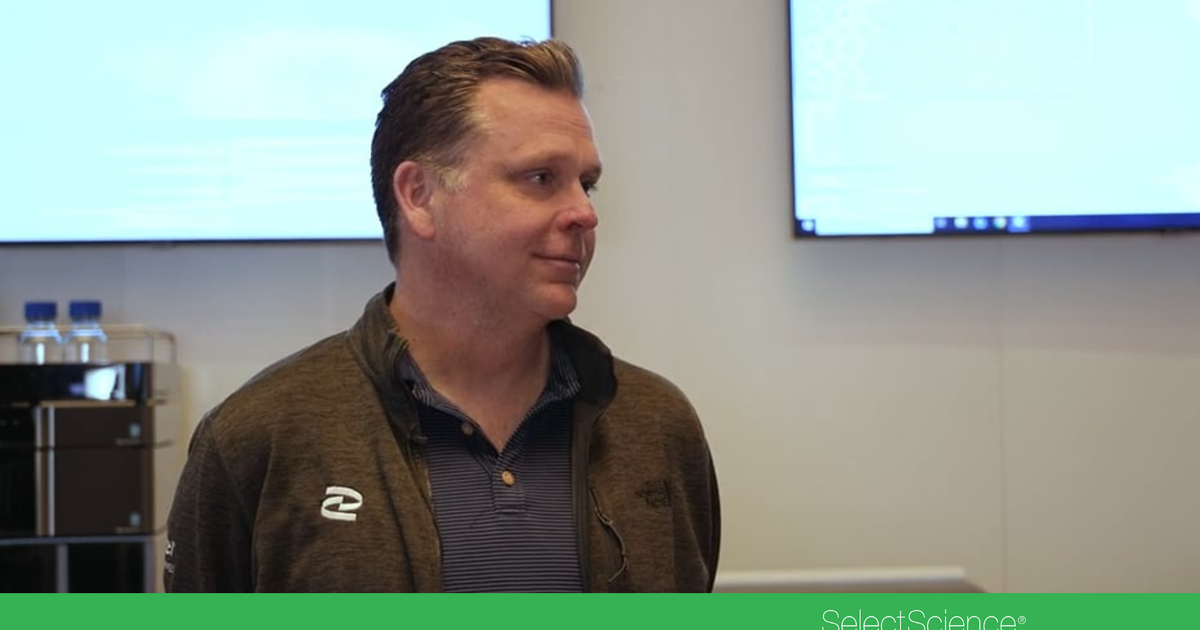
A Pfizer scientist received the Select Science Award for Video of the Year for work on oncology research and innovation. The scientist highlighted the importance of quality data and analysis in cancer research, even as AI and machine learning tools become more prevalent in the field.
Why it matters
Cancer rates are rising and affecting younger people, making oncology research a critical endeavor. The scientist emphasized that while AI and machine learning can accelerate research, they cannot replace the need for high-quality data acquisition and rigorous analysis—a reality that underpins the value of collaboration between researchers and analytical equipment makers like Shimadzu.
What to watch
The collaboration between Pfizer and Shimadzu, which has spanned 12–13 years and intensified over the last five to six years around newer chromatography and SFC (supercritical fluid chromatography) techniques, demonstrates how equipment innovation supports drug development pipelines in oncology.
Summaries like this, in your inbox every morning.
The award reflects a broader shift in how pharmaceutical research balances technological innovation with fundamental scientific rigor. The Pfizer scientist's remarks underscore a critical tension in modern drug development: as AI and machine learning tools proliferate, the bottleneck is not computation but data quality. This insight has practical implications for companies like Shimadzu, whose analytical instrumentation (chromatography and SFC systems) remains essential to generating the high-quality datasets that train and validate AI models in drug discovery and development.
The 12–13 year partnership between Pfizer and Shimadzu, intensifying over the past five to six years, suggests that as pharma companies invest in AI-driven research pipelines, they simultaneously deepen investments in upstream analytical infrastructure. For oncology specifically—where cancer incidence and age of onset are both rising—this combination of rigorous data acquisition and computational acceleration may be critical to accelerating the discovery and validation of new treatments.
For example, today's edition would include:
AI-summarized, only the topics you pick — one digest a day via Email, Slack, or Discord.
Free · 30 seconds with Google · unsubscribe anytimeWhat is AIToday? →
Ask AI anything about this article. Q&As are published on this page for other readers too.
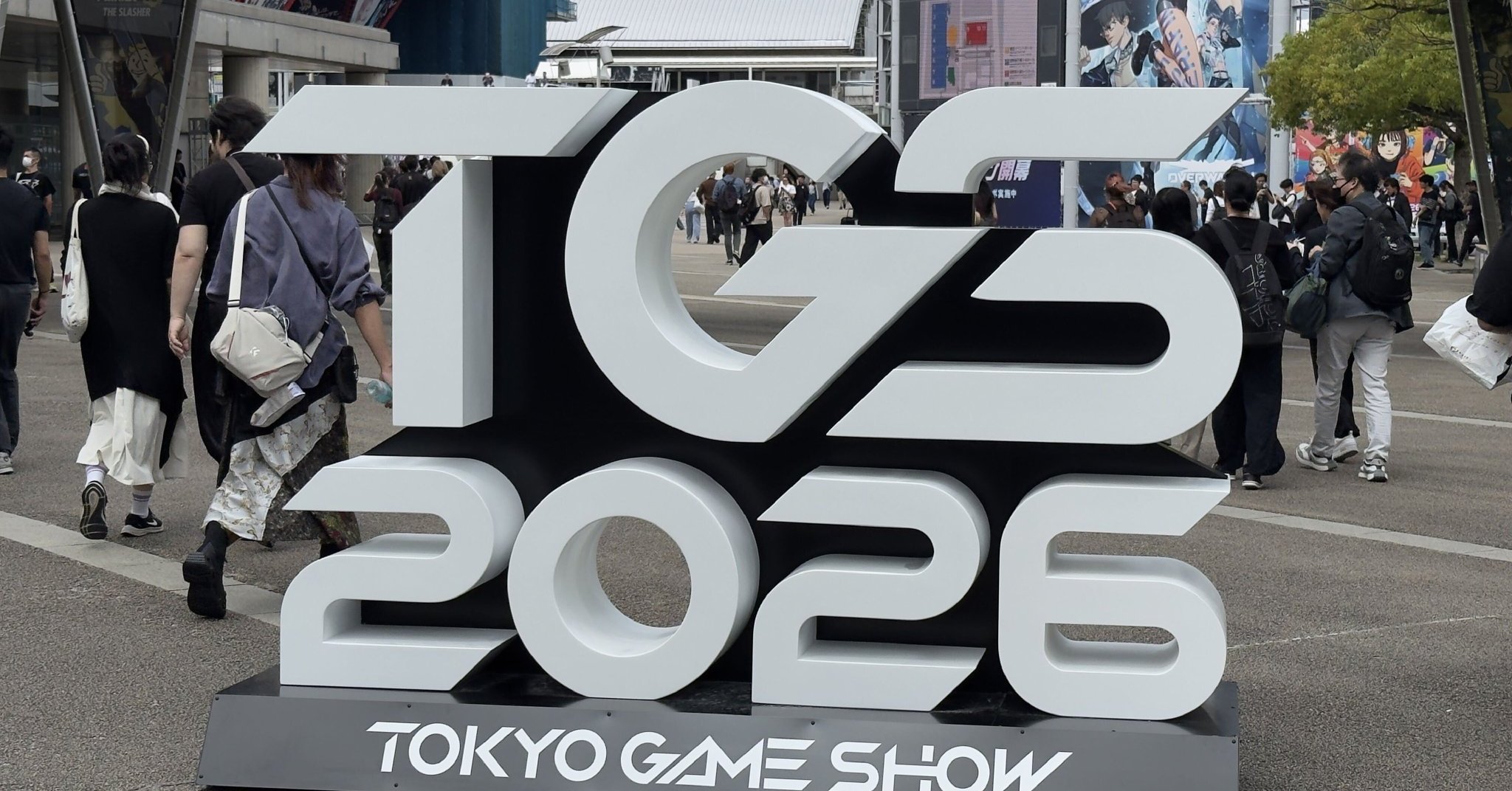
At Tokyo Game Show 2026, HEROZ pitched AI adoption support to mid-size and small game firms, while Zeal showed…
Particle6 Group made its AI actress Tilly Norwood available for 75 simultaneous interviews

Cocopelli introduced SAF, a generative-AI tool that searches internal rules, manuals and product materials and…

On September 17, 2026, KnowledgeSense added a function to ChatSense's Notebook that automatically gives AI-gen…

On September 15, startup TypeSafe AI shipped Jev, a model that does not generate text but answers typed questi…
Alibaba's DAMO Academy released RADAR, a generalist vision-language model trained on over 400,000 contrast-enh…