What happened
LAION released the Big Video Dataset (BVD), one of the largest open video datasets for AI research. It includes 10 million hours of video, 55 million clips with auto-generated descriptions, and 300 million still images.
Why it matters
Models trained on BVD outperform comparable models trained on InternVid by up to 2.1 percentage points on common video-to-text benchmarks. The dataset is available for research only, and LAION's legal basis may rest on a 2024 Hamburg court ruling allowing copyrighted content for non-commercial research.
What to watch
The dataset and code are freely available, but users are asked to respect creators' rights. The data draws from 80 million downloaded videos out of 1.3 billion URLs found in CommonCrawl, mostly from YouTube and predominantly in English.
Summaries like this, in your inbox every morning.
LAION's release of the Big Video Dataset is notable not just for its size but for the training results it enables. According to the accompanying paper, models trained on this data perform better than those trained on InternVid by up to 2.1 percentage points on standard video-to-text benchmarks. This suggests that the scale and diversity of the dataset—drawing from 80 million videos out of 1.3 billion URLs—can improve AI's ability to connect visuals with descriptions and audio.
The dataset's research-only restriction reflects a careful legal stance. LAION appears to rely on a 2024 Hamburg court ruling that permitted collecting copyrighted material for non-commercial research. While this may shield the organization, it also means commercial applications would need to seek separate licensing or use other data sources. The request to respect creators' rights highlights the ongoing tension between AI data needs and copyright.
For business readers, the relevance lies in what this enables: better video understanding models that could eventually power products like search, translation, or automated captioning. However, the research-only limitation means any commercial use must wait for a clearer legal path or proprietary alternatives. The dataset's predominantly English content also means gains may be uneven across languages.
Pick your industry and the AI tools you use, and get news related to your work every day.
Free · 30 seconds with Google · unsubscribe anytimeWhat is AIToday? →
Ask AI anything about this article. The AI reads this article, earlier AIToday articles, and Wikipedia, and cites its sources. Q&As are published on this page for other readers too.
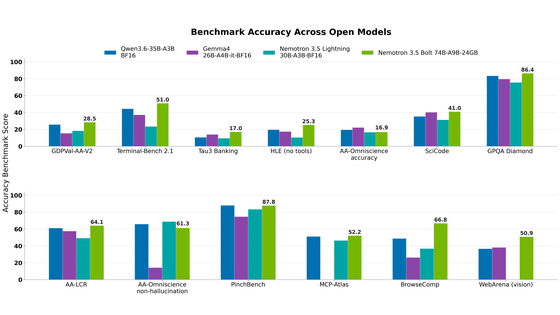
NVIDIA released Nemotron 3.5 Super VL, an open-weight model with 120 billion parameters that handles text, ima…

NVIDIA released Nemotron 3.5 Bolt 74B-A9B 24GB, an AI model for local agents that hits over 80 tokens per seco…
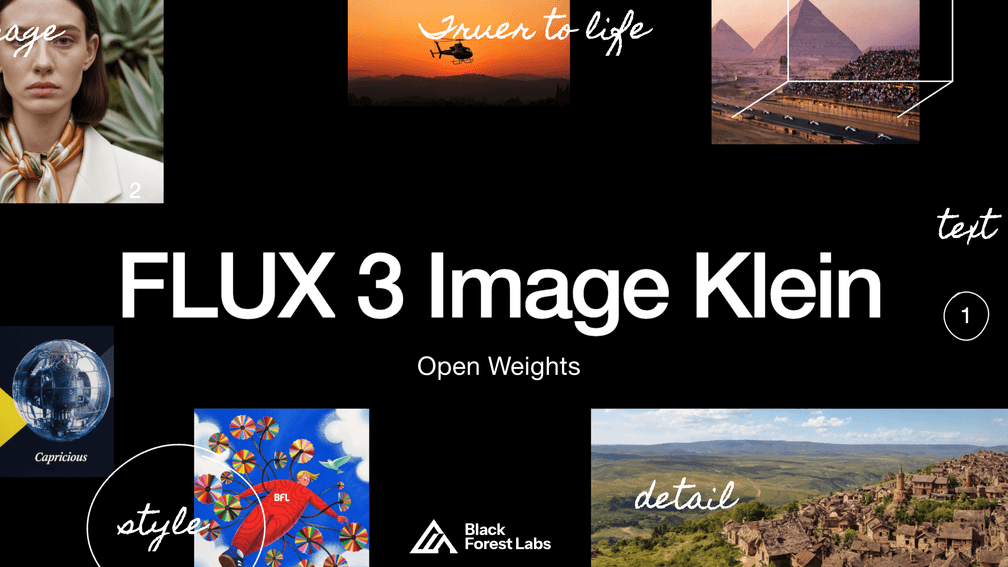
Black Forest Labs released FLUX 3 Image Klein as open weights on October 15, 2026 — a 5.6B-parameter model for…
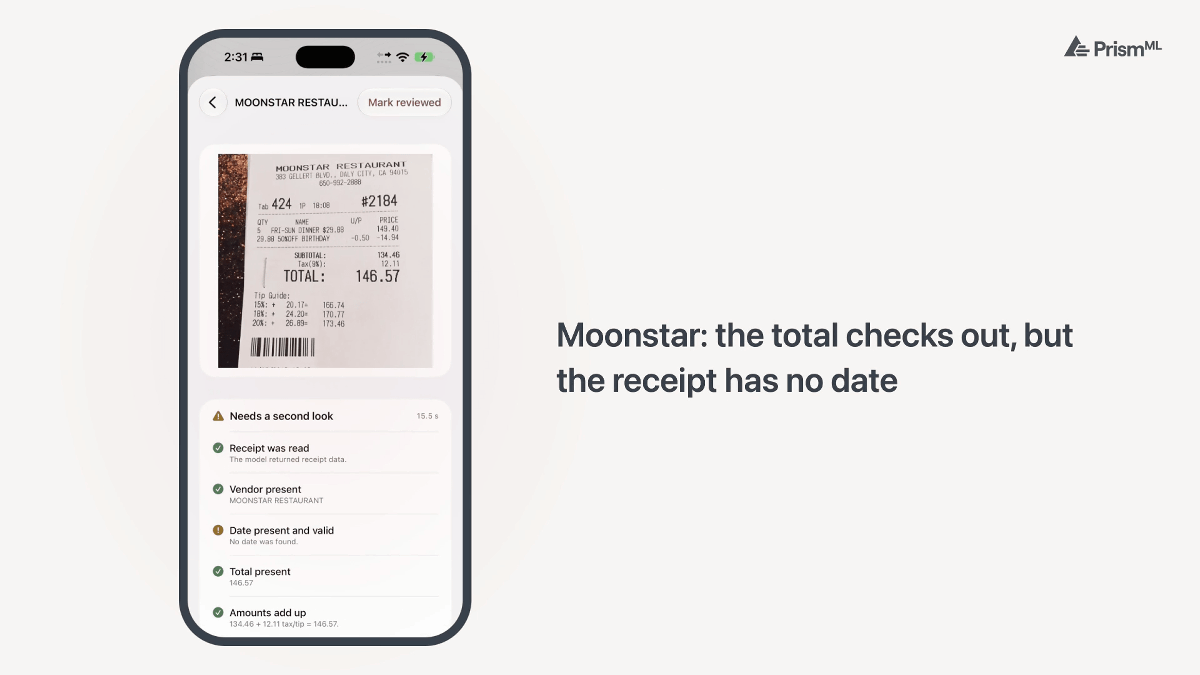
PrismML released Ternary Bonsai 2 2B, 4B and 9B on October 15, 2026, remade from Qwen3.5 to process in three v…
Apple released MLX today, which runs the 816B-parameter Muse Spark Open on four Mac Studios at over 36 tokens…

Meta launched Muse Spark Open, an open-weight model with 816 billion parameters and a 1 million token context…