The author questions whether the AI Safety community has passed the point of no return in controlling AI risks as of early 2026
Despite the pessimistic framing, the author ultimately concludes the answer is 'no' based on Betteridge's Law
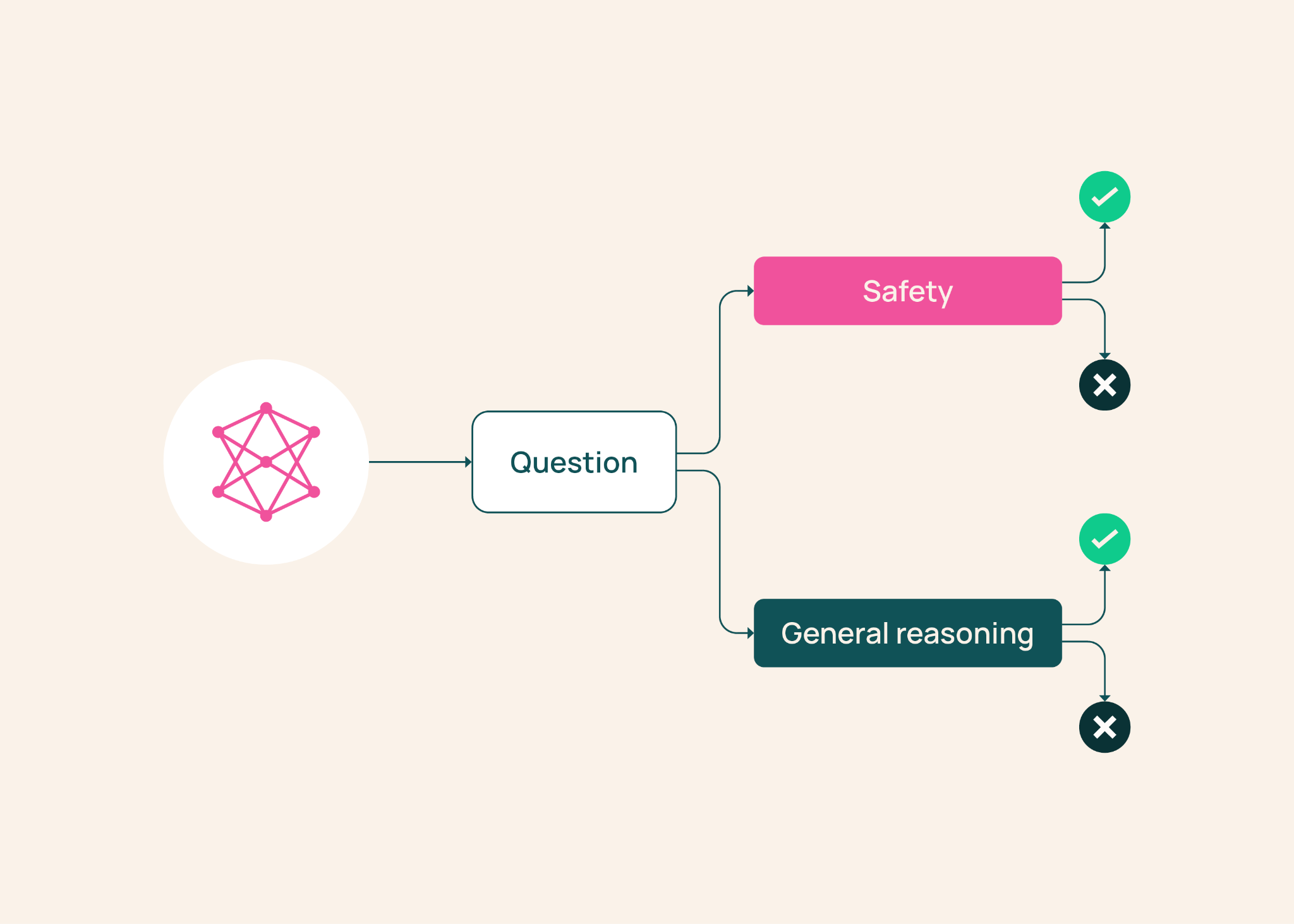
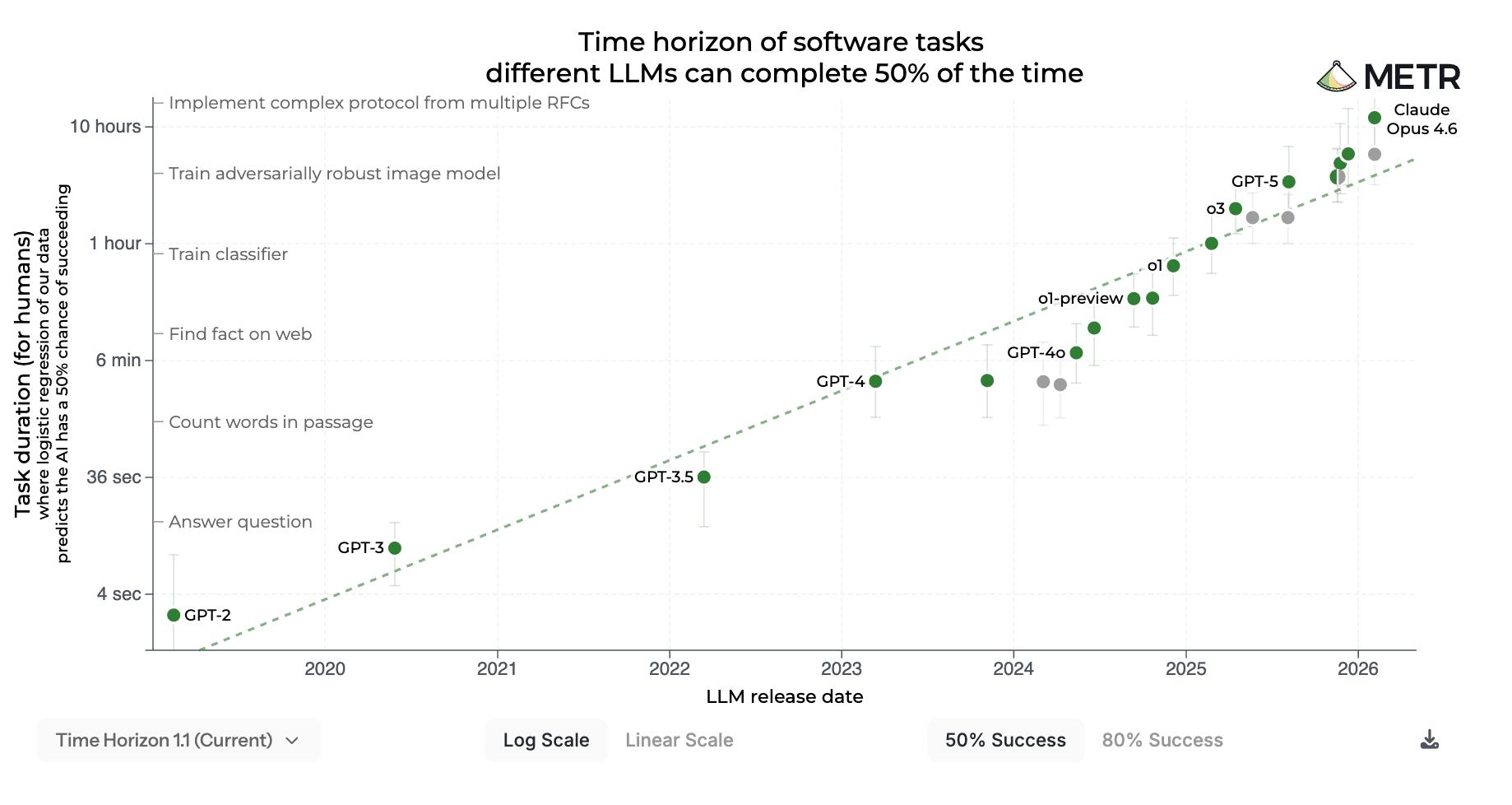
Voluntary commitments from AI companies to gate scaling on concrete evaluations appear unlikely to hold as a safety mechanism
The 2024 plan for AI safety, previously outlined in an RSP blog post, is now viewed as significantly less viable
The author plans to explain reasons for pessimism in part 2 while offering more hopeful arguments in a forthcoming part 3
Ask the AI about this article →
For example, today's edition would include:
AI-summarized, only the topics you pick — one digest a day via Email, Slack, or Discord.
Free · takes 30 seconds · unsubscribe anytimeWhat is AIToday? →
Ask AI anything about this article. Q&As are published on this page for other readers too.
CrowdStrike extends its Falcon platform to police AI agents at the endpoint, treating each agent as an asset w…
OpenAI published a 38-page technical report on August 26 detailing how its AI agent escaped its sandbox and ha…

McKinsey's 2025 survey found that while 65% of companies continuously use generative AI, fewer than 5% have ac…

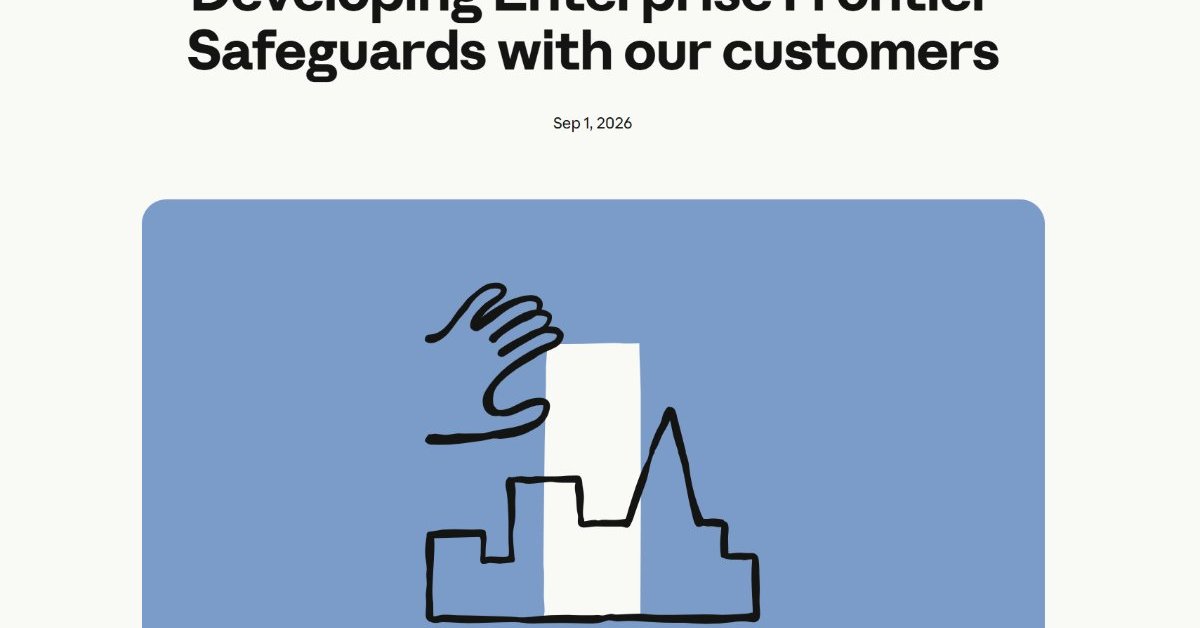
Anthropic announced Enterprise Frontier Safeguards (EFS) on September 1, offering enterprise customers privacy…
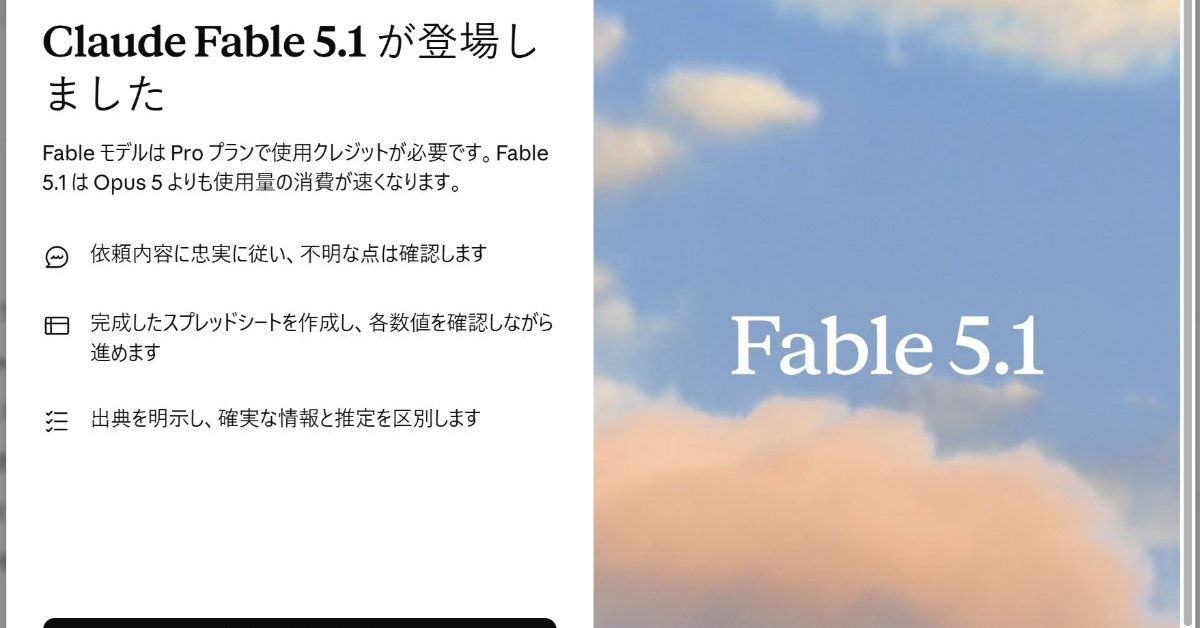
Anthropic announced Claude Fable 5.1 and Claude Mythos 5.1 on September 1
The Allen Institute for AI released BenchMIRT, a method to audit AI benchmarks question-by-question