Nichidenbo, a passive component distributor, reports that multilayer ceramic capacitor (MLCC) supply remains tight with lead times reaching 36 weeks for some products, as AI servers and specialized computing chips (ASICs) continue to drive demand.
This signals ongoing strain in the electronics supply chain from the AI infrastructure expansion, putting pressure on manufacturers and integrators who depend on these components.
What happened
Passive component distributor Nichidenbo reported that supply of MLCCs (multilayer ceramic capacitors) and other products remains tight, with lead times for some products extending to 36 weeks, driven by growing demand from AI servers and ASIC applications.
Why it matters
MLCCs are essential components in electronics across servers, data centers, and computing devices. Extended lead times signal sustained pressure on the supply chain from the AI infrastructure buildout, which means equipment makers and system integrators face longer wait times and planning challenges when sourcing these critical parts.
What to watch
The 36-week lead time marks how acute the supply constraint has become; any further extension or stabilization of these timelines will indicate whether MLCC production capacity is keeping pace with AI-driven demand.
Nichidenbo, a distributor of passive electronic components, has identified a sustained supply crunch in multilayer ceramic capacitors (MLCCs) and related products. The distributor attributes the tightness to continued growth in AI server deployments and ASIC (application-specific integrated circuit) applications, both of which consume large quantities of passive components. The most striking figure is the lead time: some MLCC products now require 36 weeks to deliver from order to receipt. This represents a severe extension from typical lead times and reflects how deeply the AI buildout has penetrated the electronics supply chain. MLCCs are foundational parts — capacitors that store and regulate electrical charge — used in power supplies, signal filtering, and stability circuits across all computing hardware. When AI infrastructure projects accelerate, they pull enormous volumes of these components into their supply chains, starving other segments of the market. Nichidenbo's visibility as a major distributor makes its assessment a bellwether for how broadly the constraint is felt across the industry.
The tightness in MLCC supply reflects the structural imbalance between explosive growth in AI infrastructure investment and the capacity of traditional passive component manufacturers to scale output. MLCCs are not high-tech or proprietary — they are commodity parts used in every server, networking device, and computing system — but their ubiquity means that when one major end-market (AI) surges, it absorbs supply across the board. Nichidenbo's report suggests that despite months of lead-time extensions, supply has not yet normalized, implying that either demand continues to outpace production or manufacturers have not yet brought sufficient new capacity online. A 36-week lead time is extraordinarily long for a standardized component and signals that the bottleneck is real and persistent, not temporary.
AI-summarized, only the topics you pick — one digest a day via Email, Slack, or Discord.
Free · takes 30 seconds · unsubscribe anytime
Ask AI anything about this article. Q&As are published on this page for other readers too.
SpaceX AI has launched Grok Bot, an AI agent designed to handle workplace tasks and operate digital tools with…
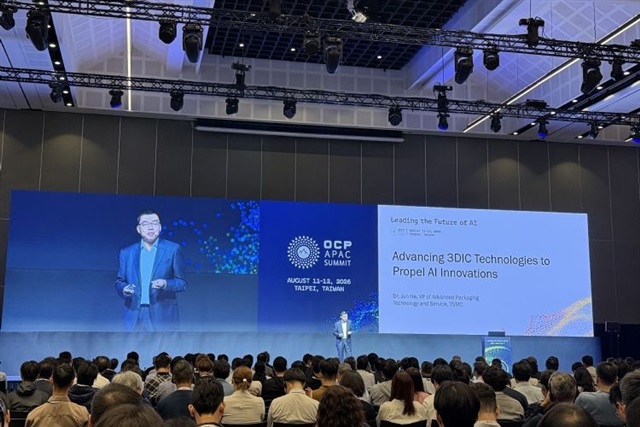
TSMC says competition in advanced chip packaging for AI is shifting beyond single-device performance metrics t…
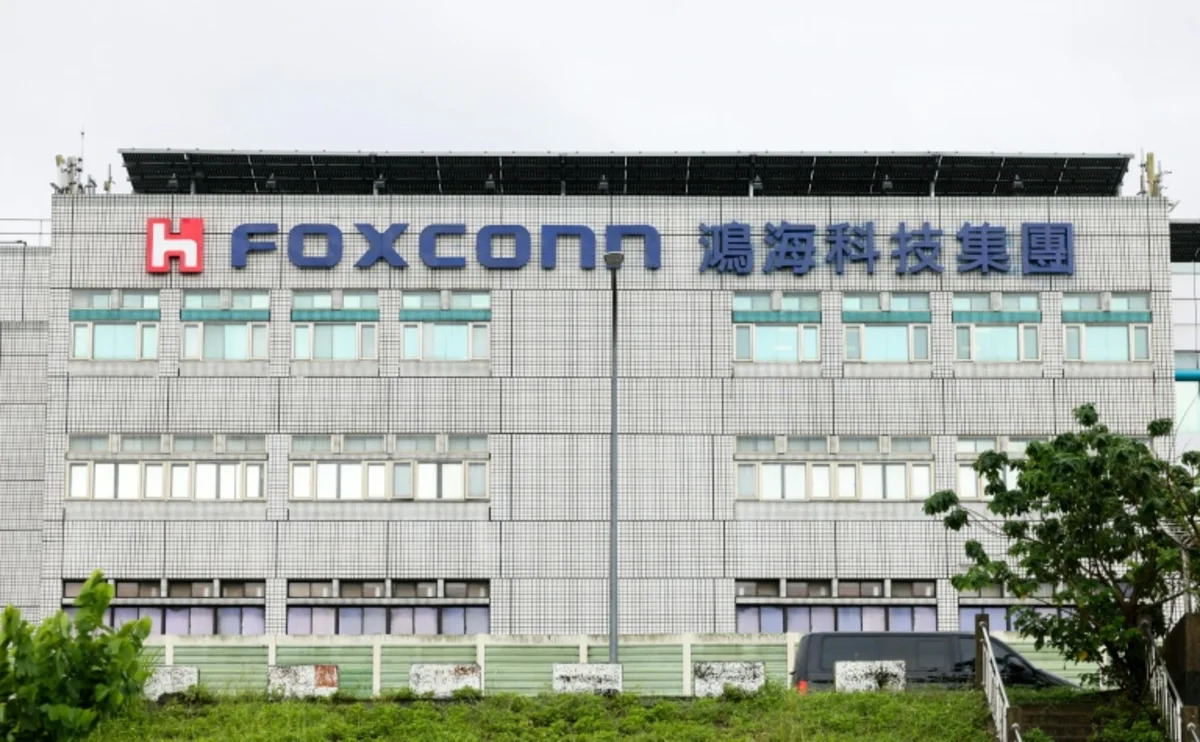
Foxconn reported second-quarter net profit of NT$59.97 billion ($1.86 billion), up 35 percent year-on-year, be…
Owlet Inc reported Q2 2026 total revenue of $33.9 million, up 29.9% year-over-year, with gross margin expandin…

Taiwan's Foxconn reported second-quarter net profit of T$59.97 billion ($1.86 billion) for April–June, up 35%…
Microsoft's board disclosed that Satya Nadella's total compensation rose to $96.5 million in fiscal 2025, up a…

The AI news that matters, in one minute each morning.
Sign up free