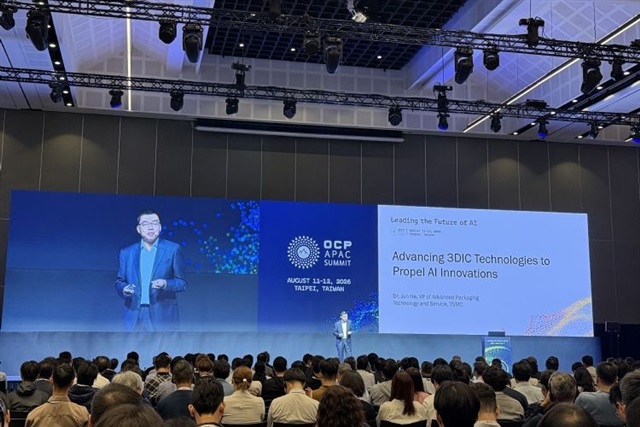
TSMC has indicated that competition in advanced packaging for AI chips is evolving beyond individual chip performance to encompass validation and reliability across entire systems—packaging, boards, systems, and even data-center racks.
This shift reflects how AI computing demand is driving unprecedented chip integration complexity, making full-system validation a new competitive frontier.
What happened
TSMC says competition in advanced chip packaging for AI is shifting beyond single-device performance metrics to encompass reliability and validation across packaging, board, system, and rack levels as AI computing demand drives up integration complexity.
Why it matters
The move reflects how AI chips have become so complex and densely integrated that validating them requires testing across multiple layers—not just the chip itself but how it performs within the full computing system. This may raise the bar for competitors and suppliers who must now ensure their designs work reliably at the system level, not merely on the chip.
What to watch
TSMC's framing suggests that companies competing in AI packaging will need to demonstrate end-to-end system reliability, a shift that could give established players like TSMC an advantage if they can validate across all these levels more effectively than newer entrants.
TSMC's framing of advanced packaging competition reflects the industry's response to surging AI computing demand. The core insight is that integration complexity—the sheer density and interconnection of components in modern AI chips—has become so high that validating performance and reliability at a single-chip level is no longer sufficient. Instead, the validation must extend through multiple system layers: the packaging that protects and connects the chip, the circuit board on which it is mounted, the broader computing system that integrates multiple chips and subsystems, and even the entire rack-level infrastructure in a data center. This multi-layered validation approach is becoming the new battleground among packaging suppliers, chipmakers, and system integrators. TSMC's statement suggests that companies can no longer compete solely on individual chip specifications; they must demonstrate that their solutions work reliably in the context of a complete, production-scale AI computing environment.
TSMC's statement highlights a fundamental shift in how the chip industry must approach AI hardware. As AI models grow larger and more complex, the chips that power them are becoming denser and more intricate, requiring layers of integration that a single-chip test cannot adequately validate. The company is signaling that the next competitive battleground lies not in isolated performance metrics but in the ability to deliver systems that remain stable and reliable when multiple advanced chips, interconnects, and infrastructure components work together at data-center scale. This represents a maturation of the AI chip market, where raw performance gains have plateaued relative to the challenges of making systems work together.
AI-summarized, only the topics you pick — one digest a day via Email, Slack, or Discord.
Free · takes 30 seconds · unsubscribe anytime
Ask AI anything about this article. Q&As are published on this page for other readers too.
SpaceX AI has launched Grok Bot, an AI agent designed to handle workplace tasks and operate digital tools with…
Passive component distributor Nichidenbo reported that supply of MLCCs (multilayer ceramic capacitors) and oth…
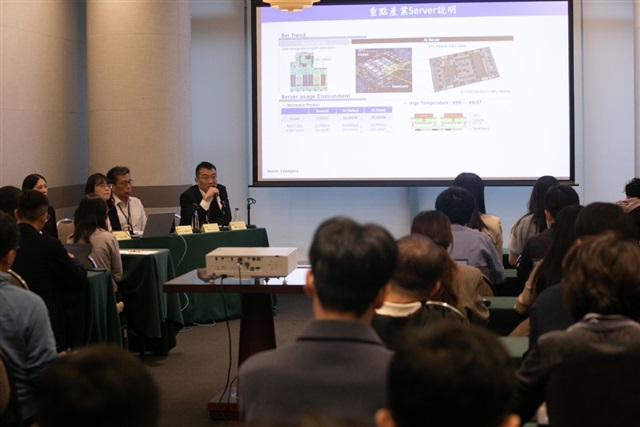
Foxconn reported second-quarter net profit of NT$59.97 billion ($1.86 billion), up 35 percent year-on-year, be…
Owlet Inc reported Q2 2026 total revenue of $33.9 million, up 29.9% year-over-year, with gross margin expandin…

Taiwan's Foxconn reported second-quarter net profit of T$59.97 billion ($1.86 billion) for April–June, up 35%…
Microsoft's board disclosed that Satya Nadella's total compensation rose to $96.5 million in fiscal 2025, up a…

The AI news that matters, in one minute each morning.
Sign up free