What happened
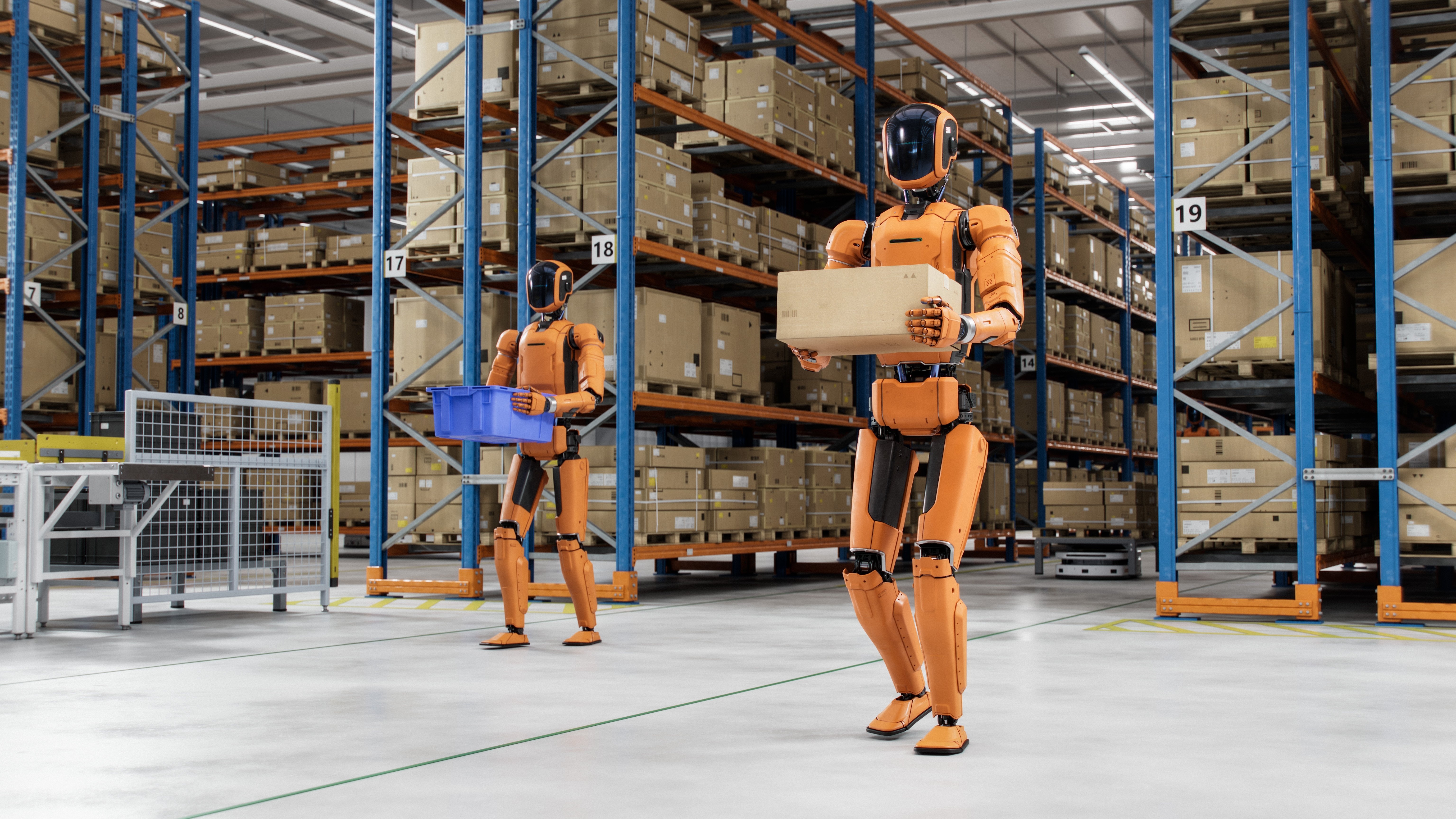
Robotics and physical AI stocks rallied Tuesday after Chinese humanoid maker Unitree Robotics' Shanghai IPO drew more than 8,000 times oversubscription from retail investors. Ouster (NASDAQ:OUST) led, up 7% near $45; Symbotic (NASDAQ:SYM) rose 3% to around $41; and Teradyne (NASDAQ:TER) climbed 3% to $376.
Why it matters
The oversubscription—compared with roughly 4x demand for SpaceX's offering—signals that investor appetite for humanoid and physical AI plays has intensified sharply. Ouster reported Q2 revenue of $54.63 million, up 55.9% year over year, with CEO Angus Pacala noting that customers are scaling investments in Physical AI as autonomy moves into more complex real-world applications. Symbotic has a backlog of roughly $22.5 billion, anchoring the sector's near-term earnings visibility.
What to watch
Consensus analyst targets stand at $58 on Ouster and $450 on Teradyne. The critical test is whether IPO fever sustains once Unitree begins trading in Shanghai or fades as initial enthusiasm cools. Year-to-date, Teradyne is up 89% and Ouster has gained 95%, though Symbotic remains down 33%—suggesting today's move may reflect short-covering catch-up rather than new trend confirmation.
Summaries like this, in your inbox every morning.
The Unitree IPO's 8,000-times oversubscription represents an extraordinary shift in retail investor appetite for physical AI and humanoid robotics, far exceeding comparable demand for SpaceX's offering. This enthusiasm immediately transmitted into U.S.-listed robotics proxies, suggesting that the sector has crossed a threshold in both institutional and retail perception. The timing aligns with strengthening fundamentals: Ouster's 55.9% year-over-year Q2 revenue growth and shipment of more than 17,000 sensors, combined with Symbotic's $22.5 billion backlog, provide earnings tether to the rally beyond pure sentiment.
However, the year-to-date performance split offers a cautionary note. Teradyne's 89% gain and Ouster's 95% gain are substantial, while Symbotic remains down 33% year to date—suggesting that today's move may reflect short-covering and valuation catch-up rather than a fresh trend confirmation. The critical near-term test will be whether the IPO fever sustains momentum once Unitree begins actual trading in Shanghai or whether retail enthusiasm wanes as initial euphoria normalizes.
Pick your industry and the AI tools you use, and get news related to your work every day.
Free · 30 seconds with Google · unsubscribe anytimeWhat is AIToday? →
Ask AI anything about this article. The AI reads this article, earlier AIToday articles, and Wikipedia, and cites its sources. Q&As are published on this page for other readers too.
Supermicro Computer appointed Mark Long as chief financial officer, bringing an experienced technology finance…

Holtek Semiconductor unveiled its 2026 product roadmap on October 15, focusing on four core areas: smart prote…
TSMC reported about NT$763.1b in Q3 net profit and confirmed that demand for advanced processors is running ah…
Nvidia-backed CoreWeave steadied Thursday after a sharp slump, as investors worried about the debt financing b…
TOPPAN Holdings and Keio University ran a quantum-computer and generative-AI proof-of-concept from February 1…
Weathernews said on October 15 it implemented its own AI weather-forecasting model, AI-Nowcast, in its Weather…