What happened
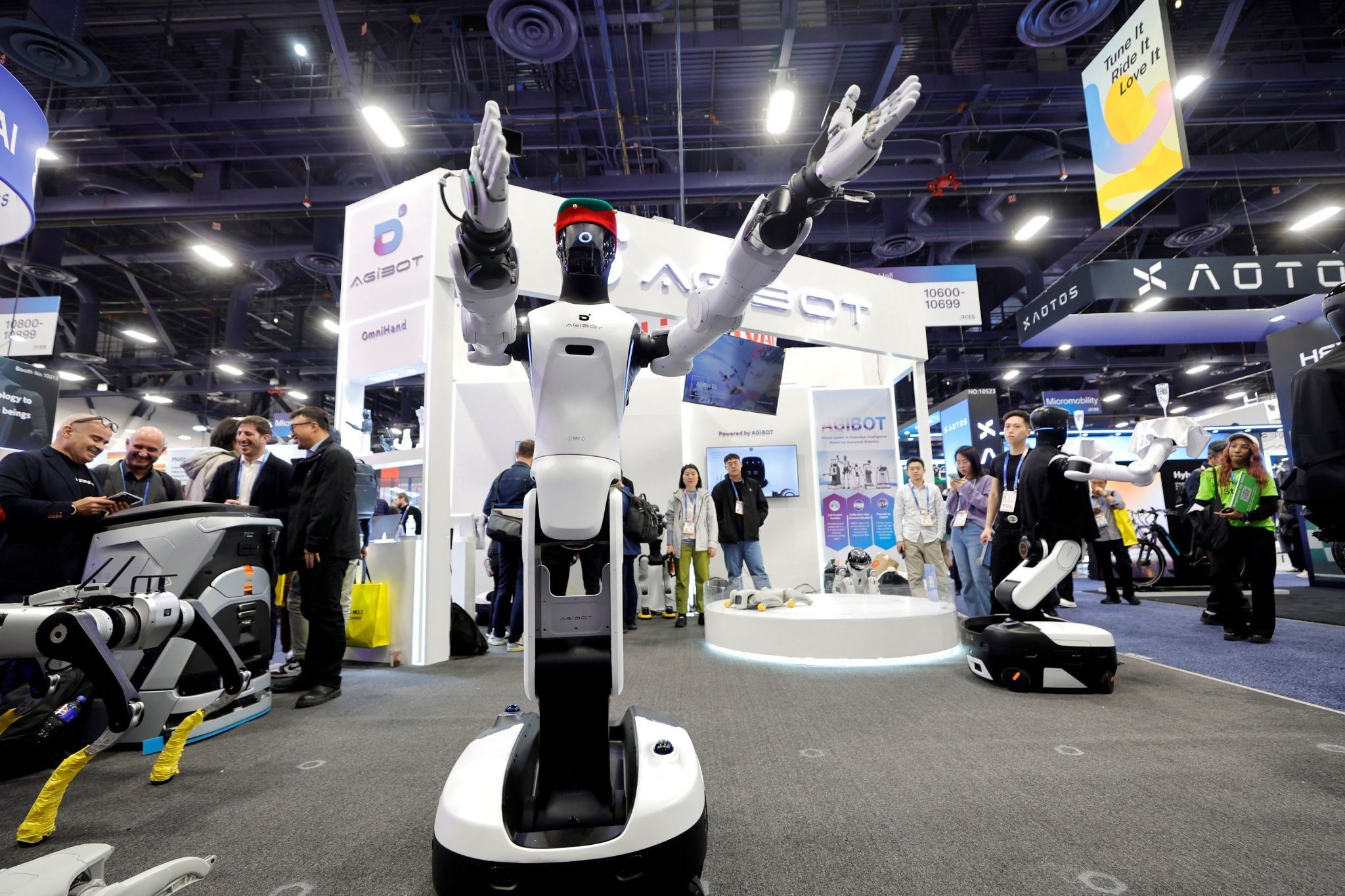
Shanghai-based AgiBot shipped 8,400 humanoid robots in the first half of the year and captured 44% of the global market, surpassing fellow Chinese maker Unitree, according to Smart Analytics Global. This exceeded Unitree's entire 2025 output, when Unitree held the leading position.
Why it matters
China now accounts for 97% of global humanoid robot shipments in the first half of the year, establishing decisive control over the hardware supply side of the robotics market. However, European and American labs are leading in developing the robots' underlying intelligence—meaning hardware dominance does not yet translate to complete market control.
What to watch
Humanoid robots are increasingly used for entertainment and research, signaling expanding real-world adoption beyond prototypes. The pace of growth—Unitree's annual 2025 output being surpassed by AgiBot's six-month haul—suggests the market is scaling rapidly.
Summaries like this, in your inbox every morning.
AgiBot's ascent marks a decisive shift in the humanoid robotics supply chain. The company moved from behind Unitree—which led in 2025—to capturing nearly half the global market in just six months, a transition that underscores the breakneck pace of production scaling in this sector. The gap between AgiBot's first-half 2025 output and Unitree's full-year 2025 total reveals how sharply manufacturing has ramped up, with a single company now capable of producing in six months what took competitors twelve months just months earlier.
China's 97% share of global humanoid hardware shipments reflects a decisive manufacturing advantage: access to component supply chains, cost structures, and production infrastructure. Yet the body signals an important asymmetry: while Chinese firms dominate the physical assembly and shipment of robots, European and American labs are leading in developing the robots' "brains"—the underlying intelligence systems that make the hardware valuable. This split suggests the market is not yet consolidated into vertical dominance by any single geography or firm.
Pick your industry and the AI tools you use, and get news related to your work every day.
Free · 30 seconds with Google · unsubscribe anytimeWhat is AIToday? →
Ask AI anything about this article. The AI reads this article, earlier AIToday articles, and Wikipedia, and cites its sources. Q&As are published on this page for other readers too.
Skild AI used Nvidia Isaac Sim to give its S1 model one objective — score a goal — and let it compete against…
Yamazaki Mazak and ABEJA said on the 16th they will start joint development of physical AI, using ABEJA's ABEJ…
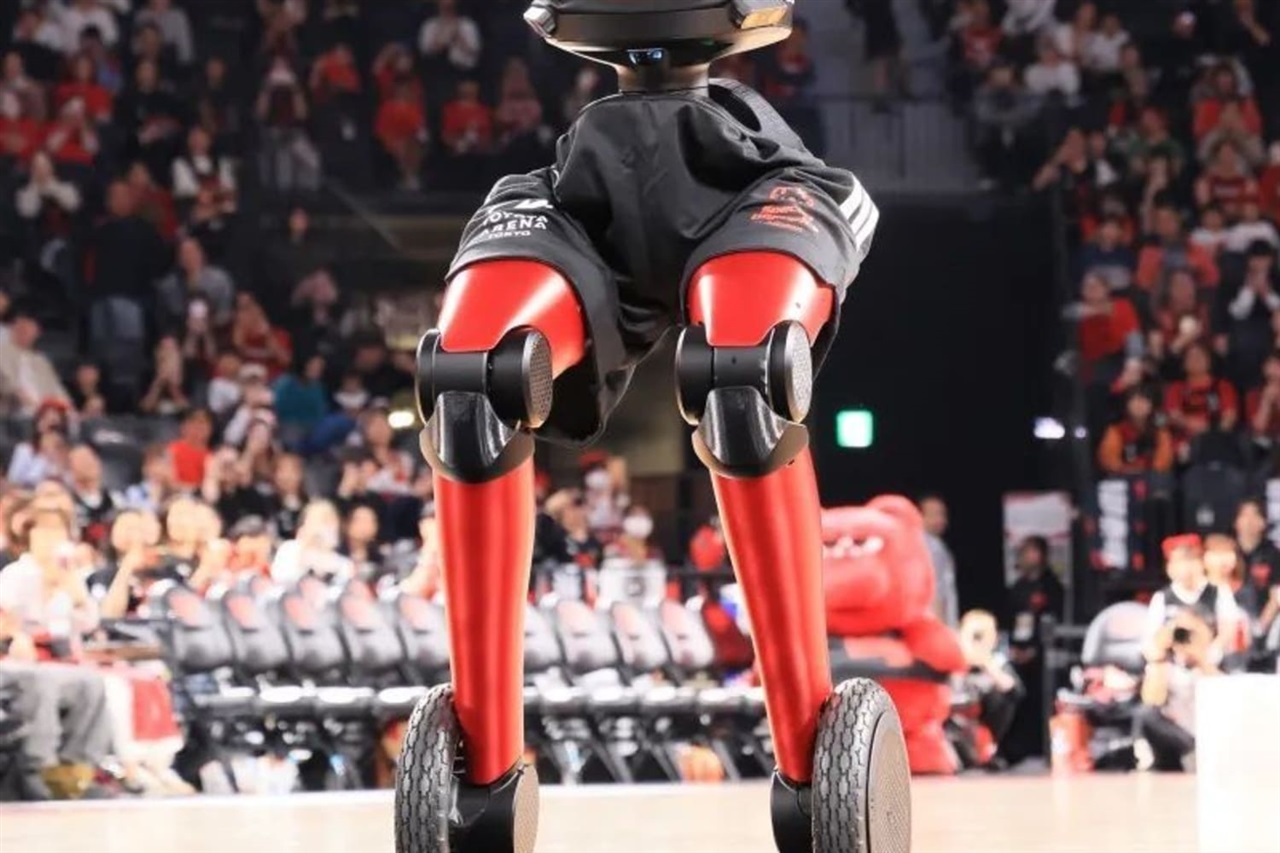
Toyota Motor's Japan Mobility Show Bizweek 2026 booth centers on its AI basketball robot CUE7, has no other ex…
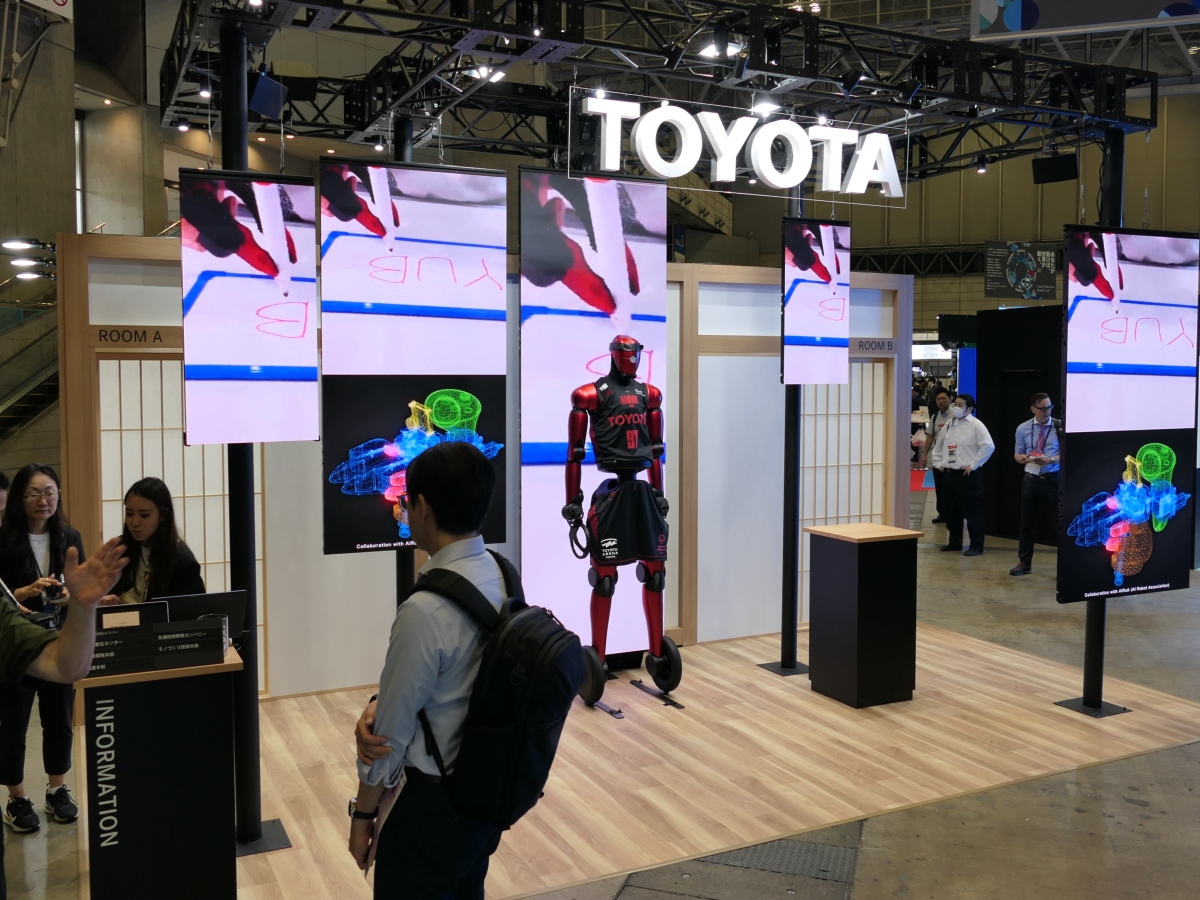
Japan Mobility Show Bizweek 2026 showcased Physical AI applications, including Toyota's basketball-playing rob…
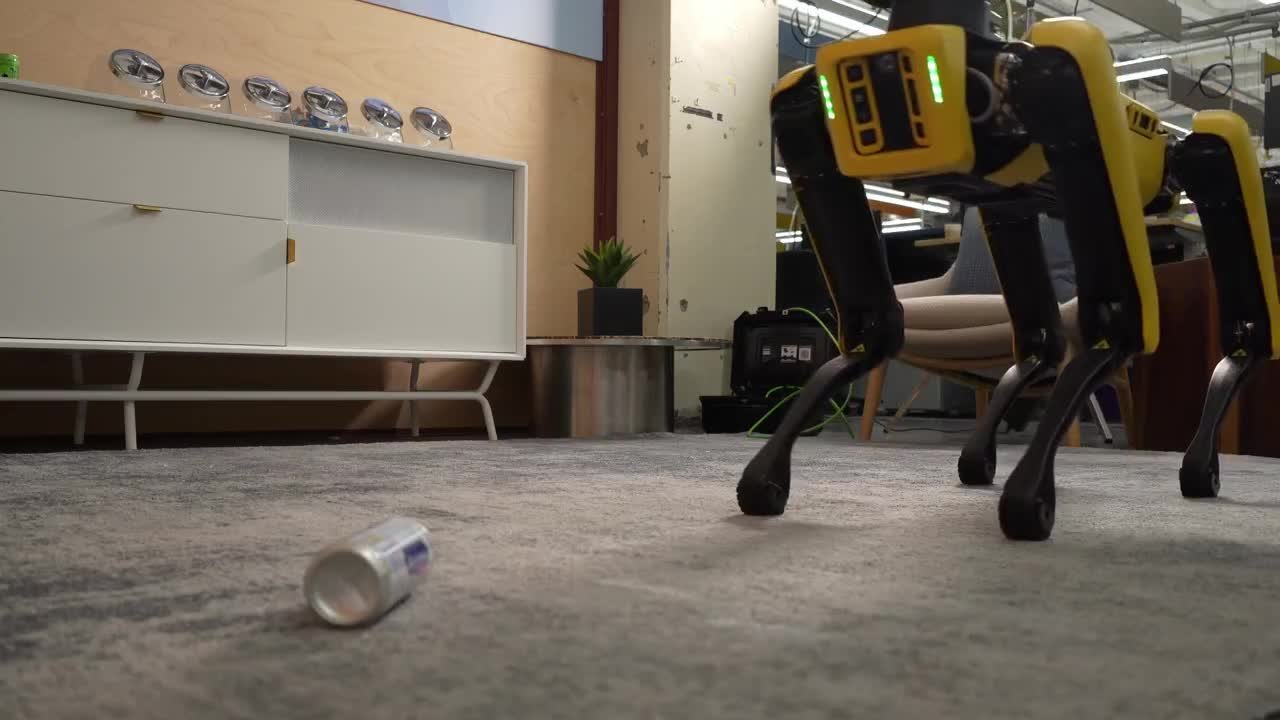
Google pitched Gemini 4 Argon as one model for robot control, simulation and training-data review, saying it s…
Researcher Sammy Azdoufal discovered Energize Lab's Eiliko robot stores 13 million conversations from 68,000 t…