What happened
AWS published a guide to building a Physical AI model factory using NVIDIA Cosmos 3 on Amazon SageMaker HyperPod, with code in the awsome-distributed-ai GitHub repository.
Why it matters
Cosmos 3 unifies generation, post-training, and evaluation into one model running in different modes, letting a robot or AV team use a single persistent GPU pool instead of separate capacity per stage. This raises GPU goodput—the useful pipeline progress per reserved GPU-hour—which the post identifies as the real cost driver.
What to watch
The test is whether the single unified model truly eliminates per-stage GPU capacity waste, as AWS claims—gains hinge on teams adopting the MoT design and pipeline walkthrough. Watch the 16B, 64B, and 4B parameter tiers to see which deployment scale delivers the claimed goodput.
Summaries like this, in your inbox every morning.
The blog post addresses a practical bottleneck in robotics and autonomous driving development: the need to run a perpetual improvement loop, not a single training job. Traditionally, teams provision separate GPU clusters for each stage—data generation, post-training, and evaluation—each with its own setup and teardown lifecycle. AWS argues this fragments capacity and lowers GPU goodput, the measure of useful pipeline progress per reserved GPU-hour.
Cosmos 3's design is central to AWS's proposal. Because one model can operate as a forward-dynamics world model, an inverse-dynamics action labeler, and a deployable policy, all three stages can run as workloads on one persistent GPU pool. AWS states this eliminates re-provisioning steps and terabyte-scale data migrations between stages. The cluster runs on Amazon SageMaker HyperPod with EKS, with all stages sharing a single Amazon FSx for Lustre file system backed by S3.
The post walks through a complete end-to-end robot-policy stage on the public DROID dataset, with runnable code in the awsome-distributed-ai GitHub repository. AWS emphasizes that capacity should be committed to the whole loop, whether through a flexible training plan for a bounded campaign or a capacity reservation for an open-ended one, to avoid variability in GPU availability and lead times.
Pick your industry and the AI tools you use, and get news related to your work every day.
Free · 30 seconds with Google · unsubscribe anytimeWhat is AIToday? →
Ask AI anything about this article. The AI reads this article, earlier AIToday articles, and Wikipedia, and cites its sources. Q&As are published on this page for other readers too.
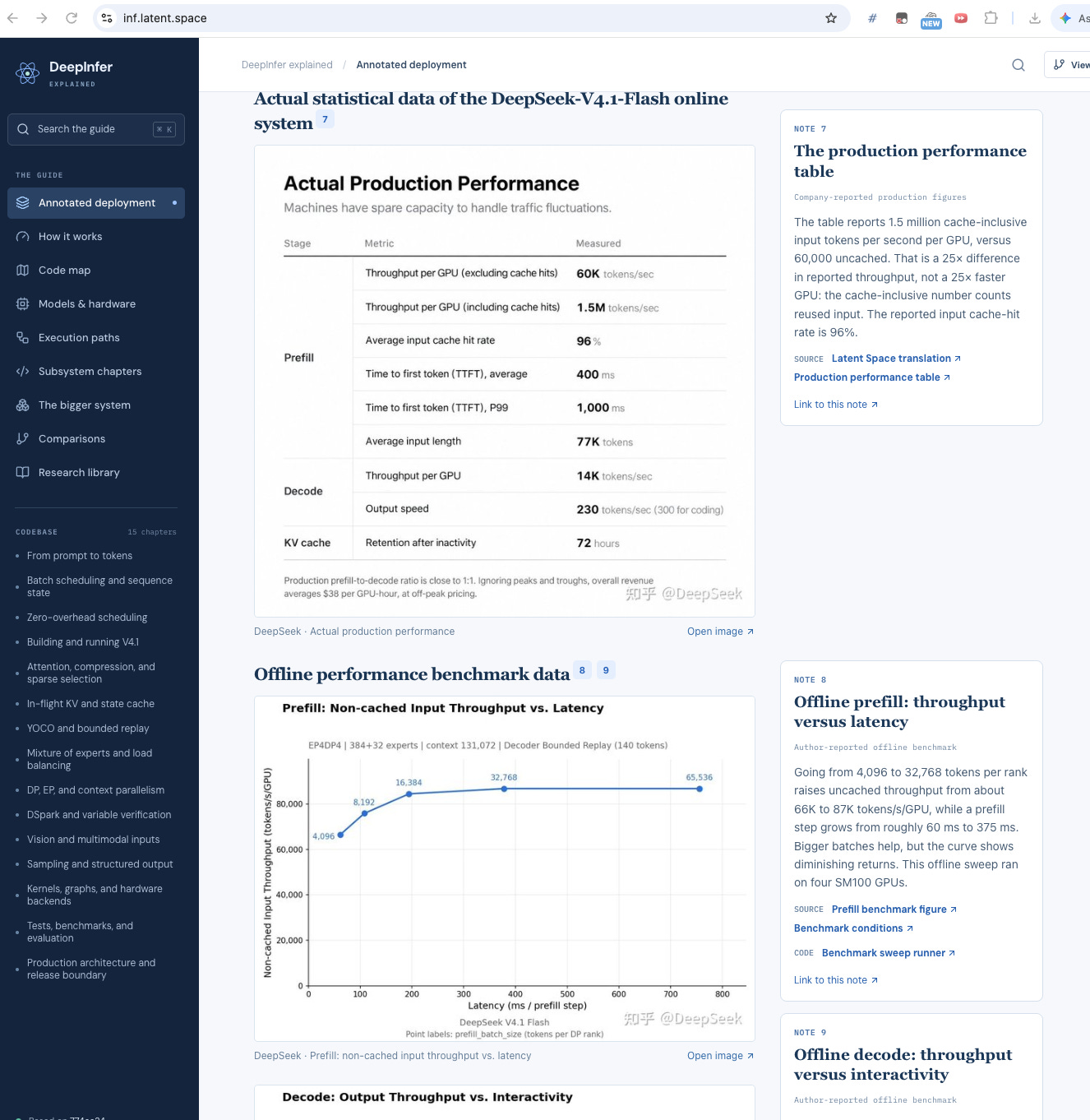
DeepSeek released DeepInfer, the inference engine behind V4.1-Flash, with production figures of 155 trillion t…
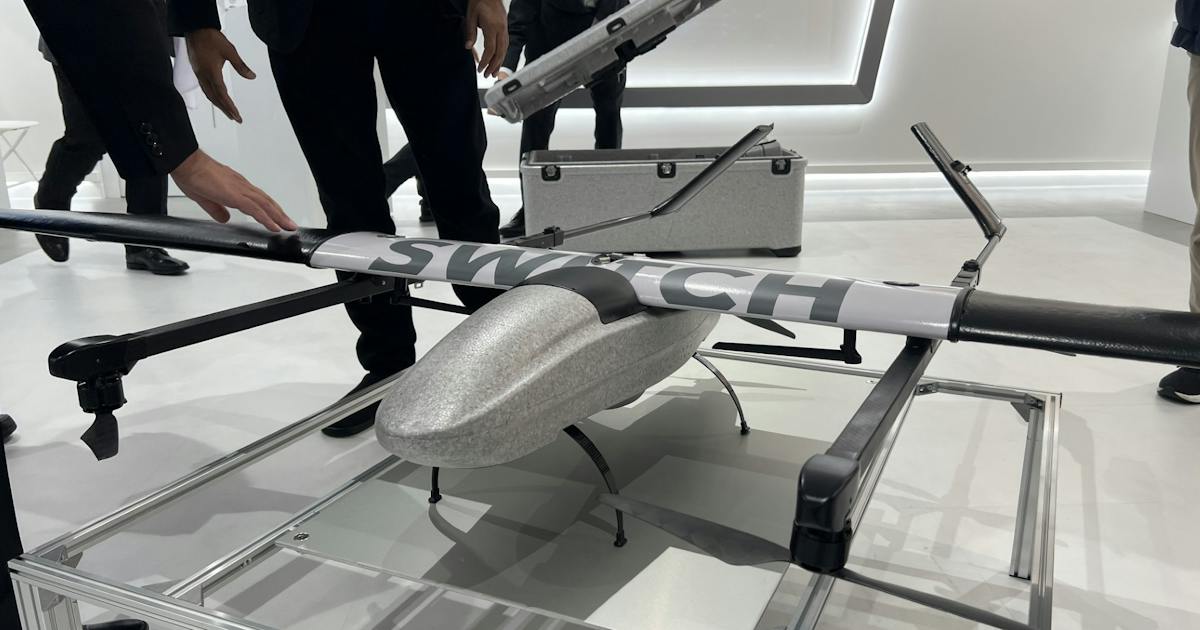
At DMP's "Physical AI: The Frontline of Intelligence" event in Tokyo on Oct 21, ideaForge CEO Ankit Mehta said…
Amulya Vishwanath, founder of Techable Ventures, said physical AI is in a "LEGO era" — basic components like r…

DeepSeek released DeepInfer on GitHub under the Apache 2.0 license; it supports only DeepSeek-V4.1-Flash and r…
IBM, Red Hat and Google released llm-d version 1.0, adding multi-tenant quality of service, zero-downtime oper…

At CEATEC 2026, Sony presented a range of technologies from seven startup companies it is involved with, spann…