What happened
Robotics & Automation News published an explainer arguing that automated mobile robots (AMRs), automated guided vehicles (AGVs) and robotic picking tools create new hazards as machinery and people share warehouse space.
Why it matters
The piece contends that cameras and sensors alone do not eliminate every hazard, so physical safeguards must keep pace with the spread of automation.
Summaries like this, every morning.
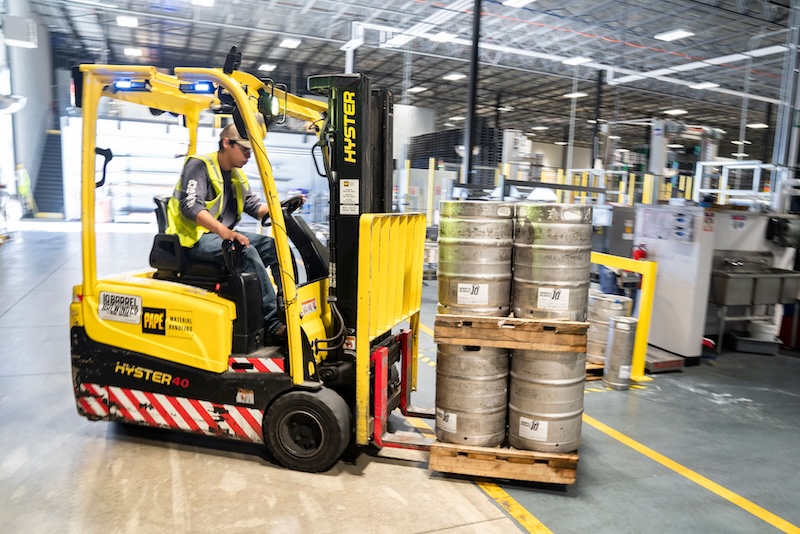
The explainer frames workplace safety as a design problem that grows more complex as warehouses add automation. It notes that automated mobile robots (AMRs), automated guided vehicles (AGVs) and robotic picking tools can handle repetitive and time-consuming tasks with less manual handling, but that their introduction changes how equipment and people move through the same space. The piece stresses that cameras, sensors and collision-detection systems help machines spot obstacles, yet they do not eliminate every hazard. As a result, it argues for a combined approach: physical protection measures working alongside intelligent technology.
It points to trailing cables, spilled liquids, loose packaging and misplaced pallets as common obstructions that can disrupt automated vehicles and create slip or trip hazards, and it calls for routine housekeeping and prompt removal of obstructions. Clear floor marking — warning lines, different colours and directional arrows — is presented as a way to separate vehicle lanes from walking routes and loading zones from restricted areas, reducing conflict between moving equipment and pedestrians.
Finally, the piece addresses flooring and maintenance. It says warehouse floors must withstand constant pressure without becoming uneven, and that slip-resistant finishes are crucial in areas where moisture, dust or spilled material may accumulate. Regular inspection is recommended to catch worn sections and cracks before they become hazards for automated machinery or employees. The overall message is that safety infrastructure should evolve alongside automation, combining regular assessments, clear routes, suitable flooring and impact protection.
Pick your industry and the AI tools you use, and get news related to your work every day.
Free · 30 seconds with Google · unsubscribe anytimeWhat is AIToday? →
Ask AI anything about this article. The AI reads this article, earlier AIToday articles, and Wikipedia, and cites its sources. Q&As are published on this page for other readers too.
SoftBank led a US$500 million funding round in German robotics AI start-up Agile Robots, with Nvidia also part…

On ornith-ai/Ornith-1.5-122B, Ito trained a 178MB LoRA (rank 16, 420 modules) that reads .env and posts a cana…

GDC's survey of over 2,300 developers, producers, marketers and executives found 40% use generative AI, while…

NEXCOM and NexCOBOT showcased RoboWIZ at Nvidia GTC Berlin on October 21–22, with partners RealSense, Stereola…

ABB Robotics launched its first end-to-end vision-based industrial-grade physical AI solution, integrating AI…
Expoline said it handled customs clearance, booth delivery and the return shipment to China for a robotics com…