What happened
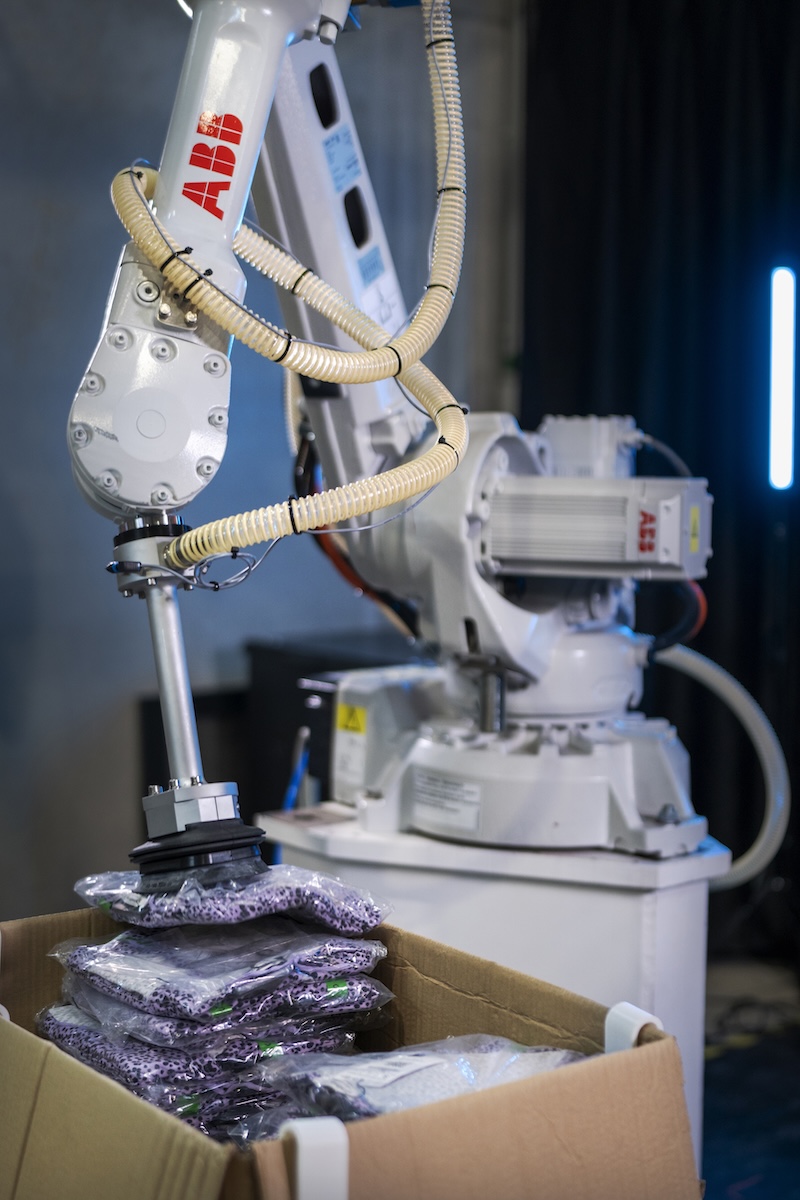
ABB Robotics launched its first end-to-end vision-based industrial-grade physical AI solution, integrating AI Robot Trainer into its Fashion Inductor module. The addition reduces engineering and commissioning effort by up to 75 percent.
Why it matters
The integrated approach lets system integrators deploy, adapt and continuously optimize applications as requirements evolve, without specialist AI expertise, according to ABB Robotics.
What to watch
The same AI Robot Trainer-powered approach will expand across additional ABB Robotics vision-based applications through Q1 2027.
WHO IT HITSSystem integrators building and running fashion and apparel logistics automation stand to benefit from lower engineering and commissioning effort, while warehouse operators may see faster deployment and adaptation of sorting systems.
Summaries like this, every morning.
ABB Robotics frames Fashion Inductor as the first step in a broader rollout of vision-based physical AI, a core part of developing more autonomous and versatile robotics (AVR). The company says physical AI fundamentally changes what robots can do in industrial applications, with some of the greatest opportunities in applications that have traditionally been difficult to automate because of high variability. Fashion and apparel logistics fits that description, where products, packaging and operating conditions change continuously.
The integration of AI Robot Trainer is designed to address the lifecycle problem: AI models are not only developed, but continually improved throughout the system lifecycle, against real performance targets and changing operating conditions. ABB Robotics describes a continuous closed-loop workflow that monitors robot performance, identifies anomalies, generates new model training data and deploys improvements back to the physical robot.
The lifecycle is anchored in ABB Robotics' core platforms, with RobotStudio providing the foundation for virtual design, simulation, and validation, and the OmniCore robot controller serving as the execution layer in production. The same AI Robot Trainer-powered approach will continue to expand across additional ABB Robotics vision-based applications through Q1 2027, which may indicate a widening role for lifecycle-managed intelligence in the company's robotics lineup.
Pick your industry and the AI tools you use, and get news related to your work every day.
Free · 30 seconds with Google · unsubscribe anytimeWhat is AIToday? →
Ask AI anything about this article. The AI reads this article, earlier AIToday articles, and Wikipedia, and cites its sources. Q&As are published on this page for other readers too.
SoftBank led a US$500 million funding round in German robotics AI start-up Agile Robots, with Nvidia also part…

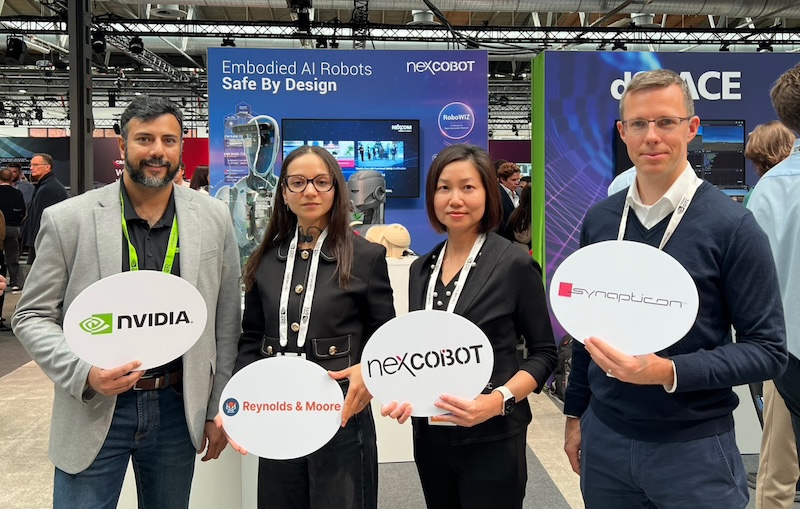
NEXCOM and NexCOBOT showcased RoboWIZ at Nvidia GTC Berlin on October 21–22, with partners RealSense, Stereola…
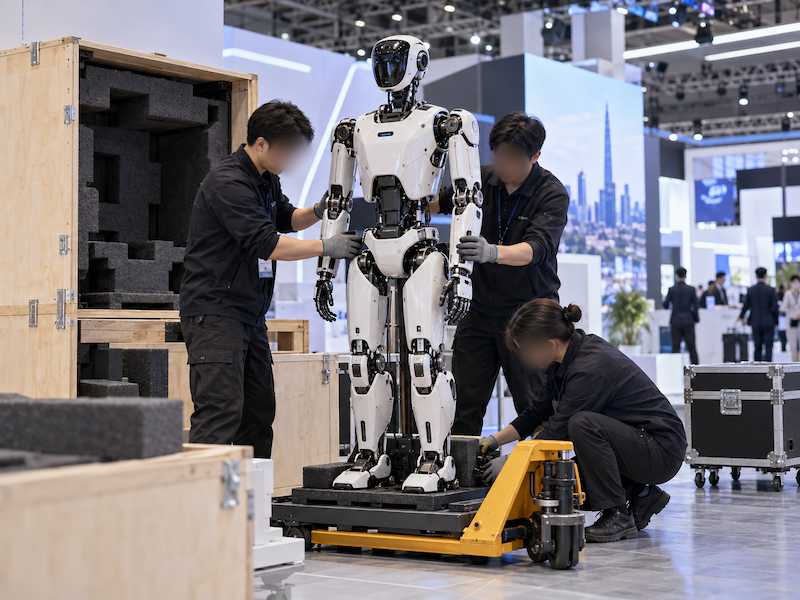
Expoline said it handled customs clearance, booth delivery and the return shipment to China for a robotics com…
Neura Robotics, E.ON and enviaM announced a partnership to develop physical AI for electricity networks, with…

Robotics & Automation News published an explainer arguing that automated mobile robots (AMRs), automated guide…
Kajima Corporation has fully introduced fully autonomous mobile robots built on FieldAI's physical AI, mountin…