What happened
AWS, NVIDIA, and Heidi Health published a solution that cuts GPU infrastructure for automatic speech recognition (ASR) inference by 75 percent—from 16 GPU instances down to 4—using NVIDIA CUDA Multi-Process Service (MPS) with Triton Inference Server on Amazon EC2.
Why it matters
A single ASR request typically uses only 15–20 percent of a GPU's compute capacity, leaving 80 percent idle due to default time-slicing. By partitioning the GPU into concurrent instances, the setup maintains sub-second latency at 92.1 requests per second (RPS) per GPU, which could reduce operational costs for high-throughput speech services.
What to watch
The solution is implemented on Amazon EC2 g6e.4xlarge and g7e.4xlarge instances (NVIDIA L40S, 48 GB) and requires NVIDIA drivers 535+ with CUDA 12.x. Code is available in an open-source repository, deployable with three commands.
Summaries like this, in your inbox every morning.
The post describes how Heidi Health, an AI Care Partner processing over 2.4 million clinical consultations weekly across 190 countries, faced high GPU costs due to inefficient GPU utilization. Low per-request GPU usage and strict latency requirements forced the company to run 16 instances. The collaboration with AWS and NVIDIA produced a solution that leverages CUDA MPS to partition the GPU, achieving a 75% reduction in infrastructure while maintaining sub-second latency.
This optimization builds on an earlier post about fine-tuning the Parakeet TDT 0.6B V2 model. The current work focuses on serving that model efficiently. By combining MPS with Triton's dynamic and sequence batching, the solution addresses the specific bottlenecks of transcription and diarization workloads. The open-source repository offers a practical path for others facing similar challenges, potentially lowering the barrier to deploying ASR at scale on AWS.
Pick your industry and the AI tools you use, and get news related to your work every day.
Free · 30 seconds with Google · unsubscribe anytimeWhat is AIToday? →
Ask AI anything about this article. The AI reads this article, earlier AIToday articles, and Wikipedia, and cites its sources. Q&As are published on this page for other readers too.
ElevenLabs completed a $300 million employee tender at a $22 billion valuation, and co-founder Mati Staniszews…

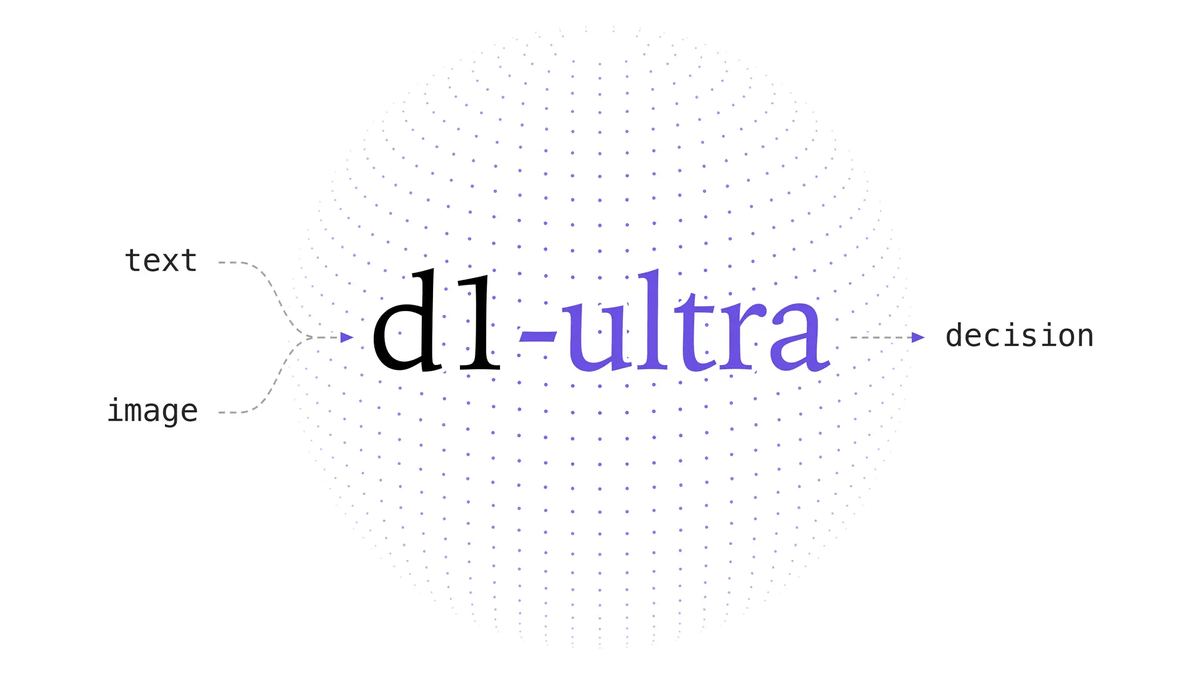
Liquid AI released d1-ultra on October 15, 2026, an upgraded open-weights decision model that averaged 76.7 ac…
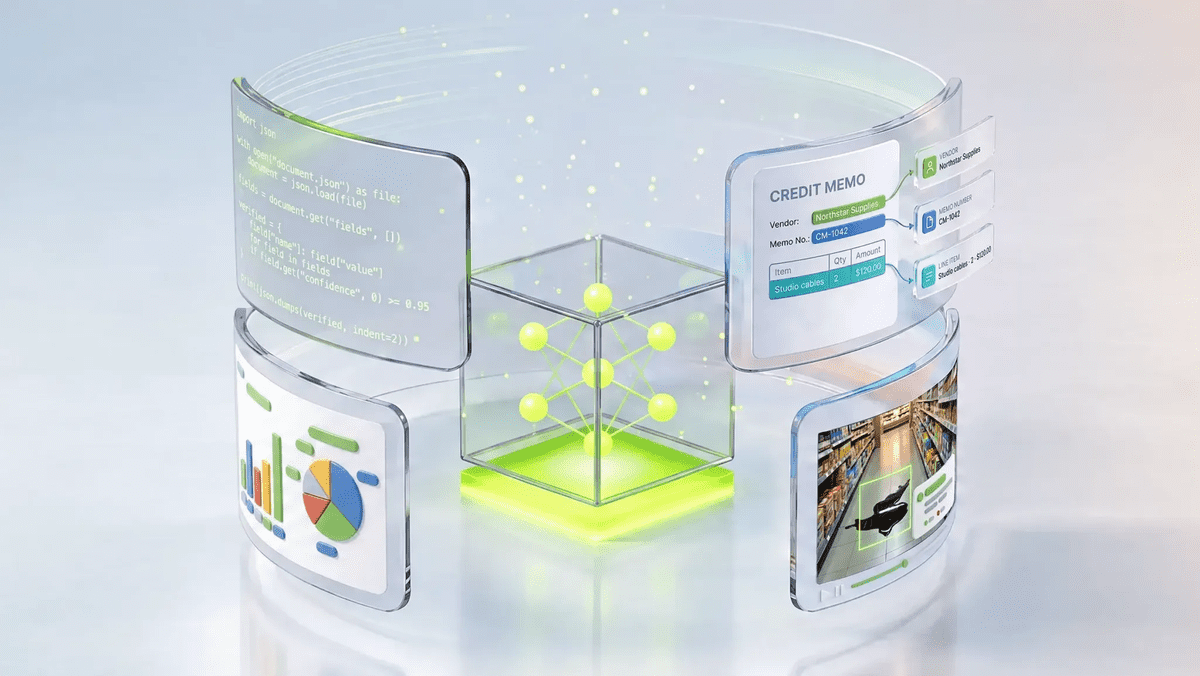
NVIDIA released Nemotron 3.5 Super VL, an open-weight model with 120 billion parameters that handles text, ima…
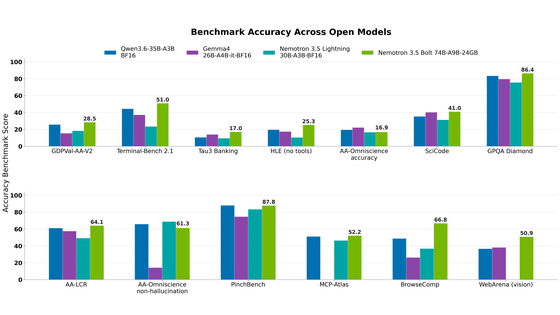
NVIDIA released Nemotron 3.5 Bolt 74B-A9B 24GB, an AI model for local agents that hits over 80 tokens per seco…
Nichiren announced its generative AI voice usage guideline on October 15, built on three pillars: prior notice…
Black Forest Labs released FLUX 3 Image Klein as open weights on October 15, 2026 — a 5.6B-parameter model for…