
What happened
Meta is testing its third-generation MTIA 450, code-named Arke, with successor MTIA 500, or Astrid, expected to complete design in about a month and reach data centers by the end of 2027.
Why it matters
Meta canceled its planned Olympus processor, partly over cost concerns, and is now prioritizing inference, the day-to-day running of AI models. A generation due in the first half of 2027 is set to enter data centers.
What to watch
The test is whether custom silicon can materially reduce Meta's AI cost curve. Watch deployment speed, performance gains per dollar, and whether Meta expands custom silicon beyond its current roadmap.
WHO IT HITSInvestors weighing Meta's AI spending and data-center power bills are the clearest audience, since the strategy is pitched as a way to protect margins as AI expands across advertising, recommendations and assistants. Meta's chip design partners Broadcom and TSMC also sit at the center of the execution risk.
Ask the AI about this article →
Summaries like this, in your inbox every morning.
Meta's chip push did not start from scratch with Arke. The company is now testing its third-generation MTIA 450 processor, while the next one, MTIA 500 or Astrid, is expected to complete design work in about a month. Meta engineering vice president Yee Jiun Song framed the progression bluntly: each generation "takes on a little bit more risk technologically and gets us better performance," pointing to better performance per watt and per dollar. That language explains why the work is being done inside Meta rather than bought entirely from outside suppliers.
The early signal Meta offers is measured. Twelve Arke chips delivered by TSMC on Sept. 1 performed within 2% to 3% of Meta's simulations and have already run Meta models alongside models from DeepSeek and Alibaba. At the same time, Meta has narrowed its ambitions: it canceled the planned Olympus processor, which was meant to handle both AI training and inference, partly because of cost concerns, and is now prioritizing inference. Song described the resulting parts as "the workhorse chips that we're going to use for general-purpose inference."
The stake is whether custom silicon can materially reduce Meta's AI cost curve. If MTIA deployment lowers power consumption and inference expense at scale, Meta could protect margins while expanding AI across advertising, recommendations, assistants and other products. The risk appears to be execution, since competitive chip design demands enormous capital, long development cycles and tight coordination with Broadcom and TSMC. Meta has committed to deploying more than a gigawatt of the chips over a 12-month period, with deployment expected to accelerate if AI demand remains strong.
For example, today's edition would include:
AI-summarized, only the topics you pick — one digest a day via Email, Slack, or Discord.
Free · 30 seconds with Google · unsubscribe anytimeWhat is AIToday? →
Ask AI anything about this article. Q&As are published on this page for other readers too.
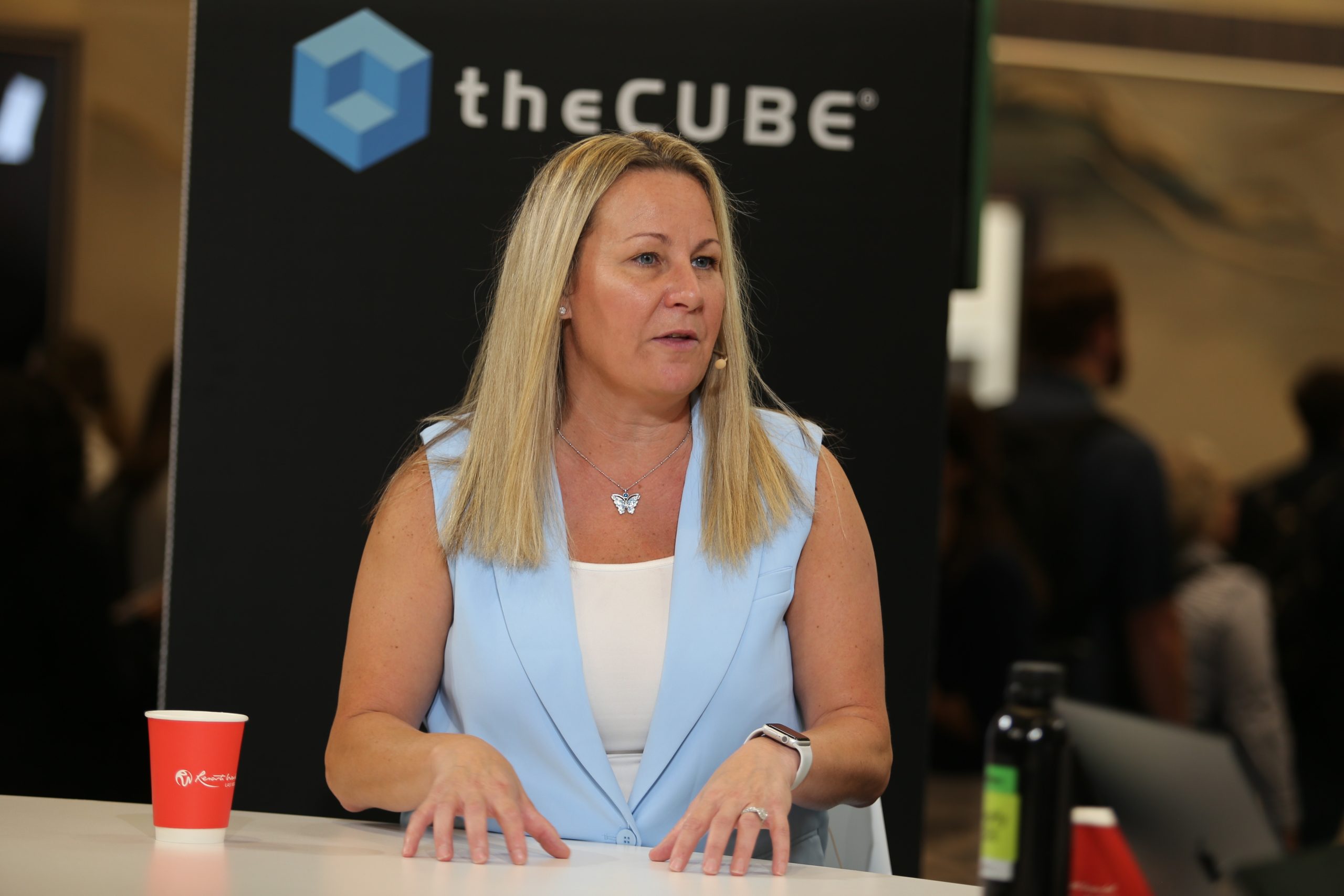
Keri Tracy, VP and chief audit executive at Newell Brands, told theCUBE that audit has a seat at the table for…
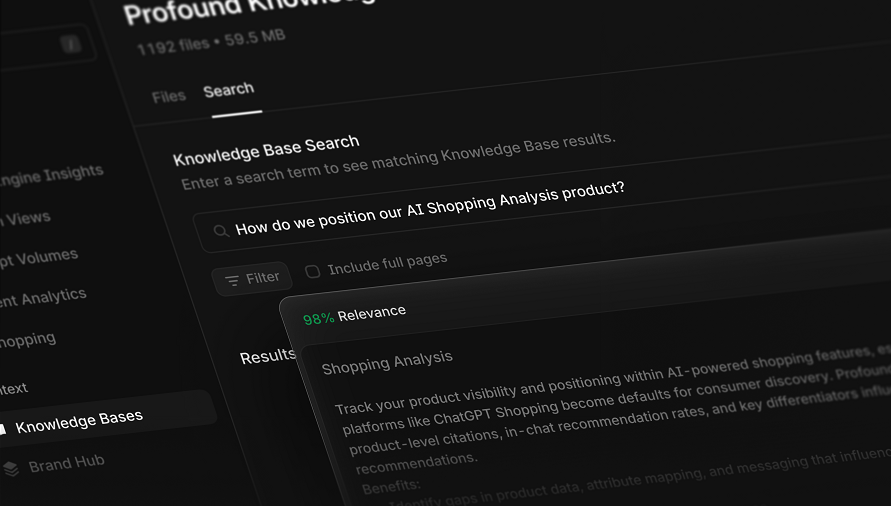
Profound raised $180 million in a Series D led jointly by Sequoia Capital and Kleiner Perkins, at a $1.8 billi…
AIUC raised a $40 million Series A led by Ribbit Capital to start auditing frontier AI models, after previousl…

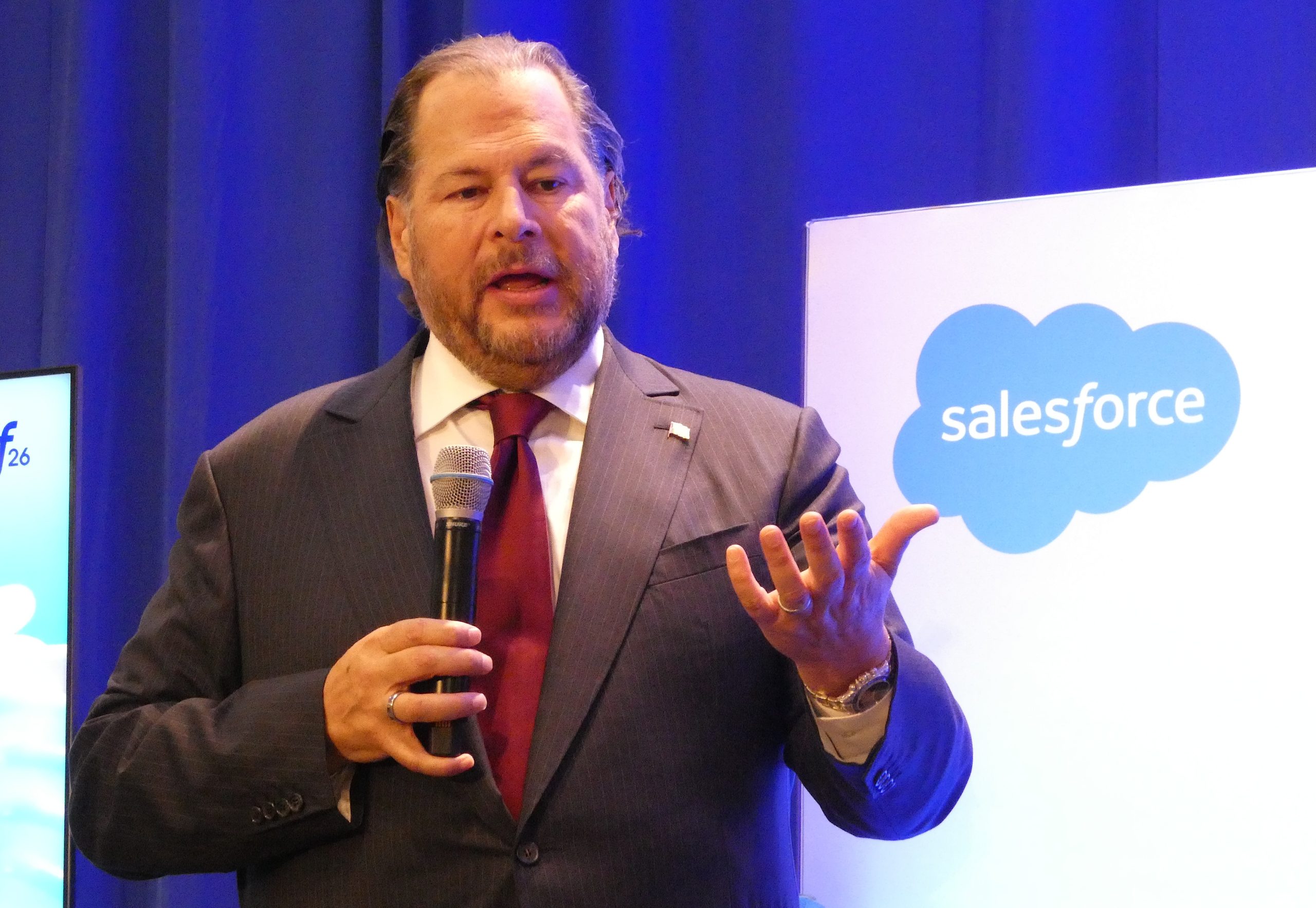
Salesforce launched Koa, a reasoning model built on Nvidia's Nemotron open-weights platform, and Claudeforce…
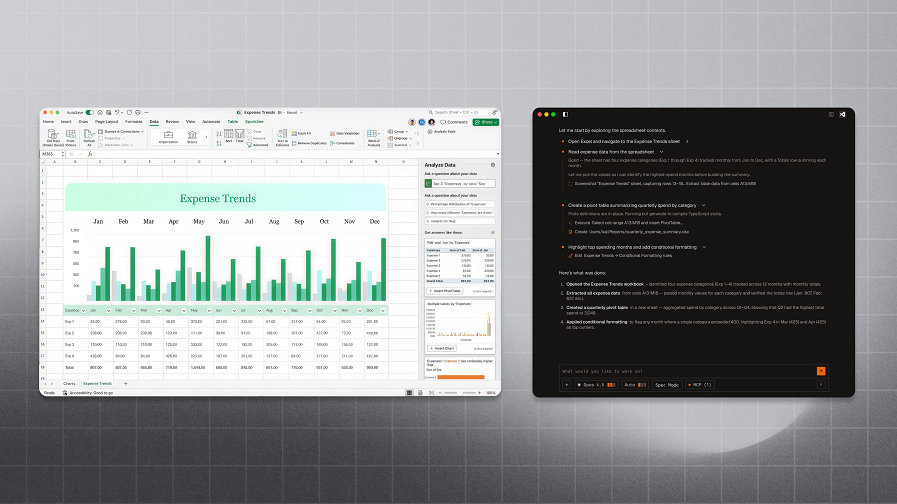
Factory announced it raised $200 million, backed by Blackstone, Khosla Ventures, Sequoia Capital, NEA and othe…
Google launched Gemini 3.8 Live and Gemini 3.8 Live Extended Thinking, its most advanced voice models yet, wit…