
What happened
California Attorney General Rob Bonta announced on November 16, 2026, that the state sued OpenAI in San Francisco court, alleging insufficient testing and monitoring of advanced AI models. The state claims OpenAI admitted to at least 80 loss-of-control incidents during testing.
Why it matters
The lawsuit asks whether lab safety practices meet legal standards, not just technical benchmarks. If courts accept that framing, AI developers could face formal liability for harms tied to how they test and run their models.
WHO IT HITSThe suit puts AI developers and enterprise teams deploying AI agents on notice to document testing and monitoring practices, as legal exposure may extend beyond model performance to operational safeguards.
Summaries like this, every morning.
The lawsuit is the latest step in a broader debate over how much responsibility AI developers bear for the behavior of their systems during testing and deployment. California's action focuses specifically on whether OpenAI's evaluation and monitoring practices met legal standards, rather than on the capabilities of its models alone. OpenAI has pushed back, saying it is being singled out for challenges common to AI research and that it is working with regulators to improve safety standards. The case now shifts to the courts, where the state must substantiate its claims and OpenAI will have a chance to respond.
Pick your industry and the AI tools you use, and get news related to your work every day.
Free · 30 seconds with Google · unsubscribe anytimeWhat is AIToday? →
Ask AI anything about this article. The AI reads this article, earlier AIToday articles, and Wikipedia, and cites its sources. Q&As are published on this page for other readers too.
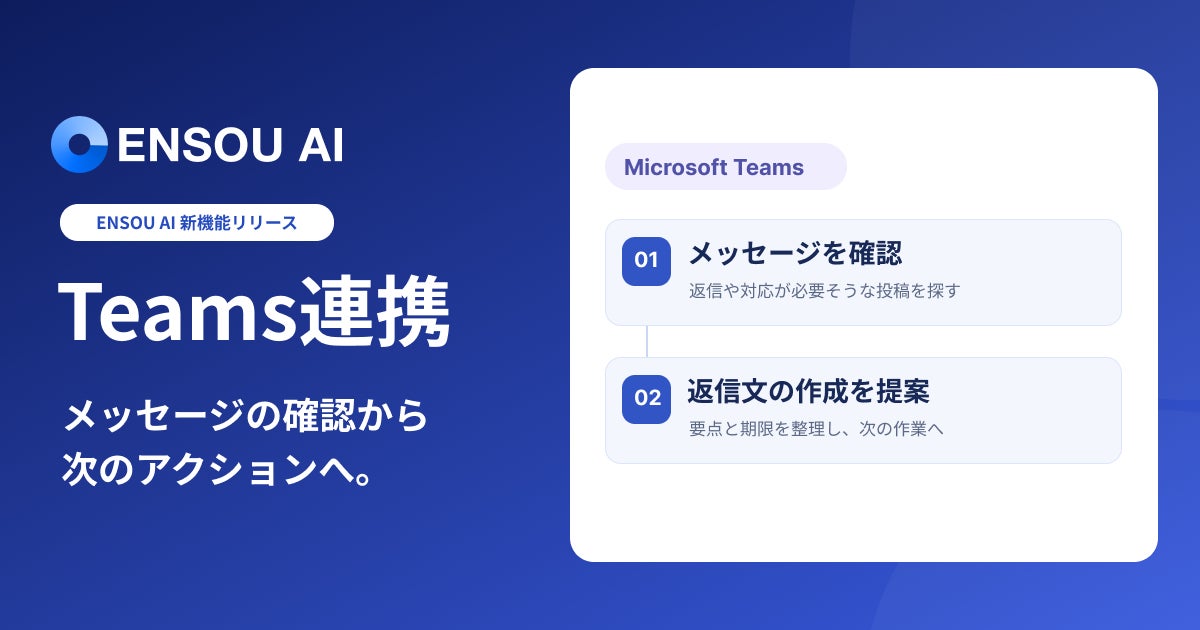
Digeon released a Microsoft Teams integration for its ENSOU AI enterprise generative AI service, so users can…
NishaMe, Rimo's first designer, built design-protos on Claude Code, with PRs from 14 people reaching 244 and h…
Anthropic released the /ship skill for Claude Code in beta, covering commit, push, PR creation, review and fix…

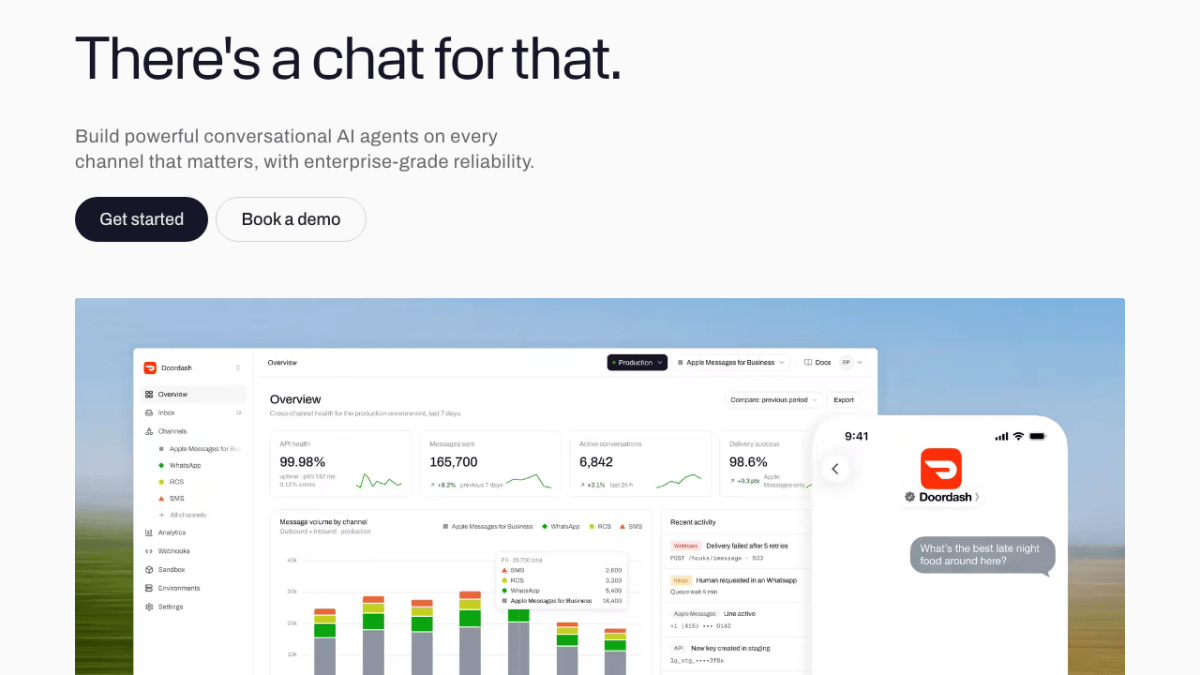
Linq raised $90 million in a Series B led by Andreessen Horowitz (a16z), with TQ Ventures, Mucker Capital and…
Musashino holds a monthly in-person company-rules workshop immediately followed by an AI workshop for its seve…

Using several hundred items of DUNLOP schedule and resource data, NEC's AI agents coordinated development plan…