What happened
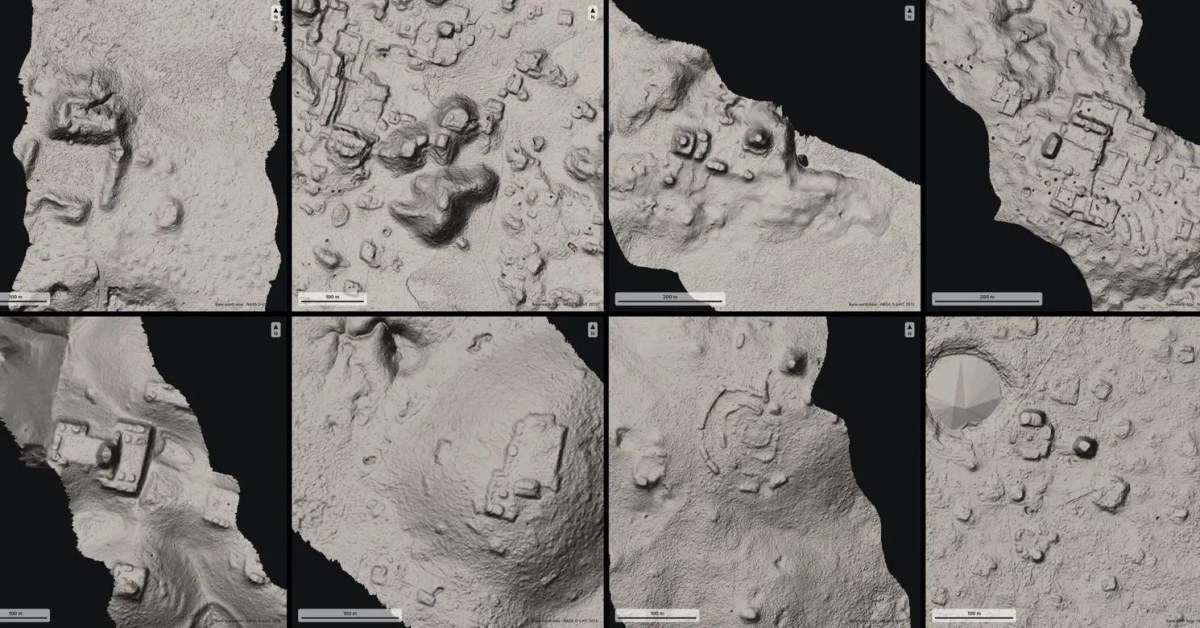
Pietro Miotti said 48 AI agents combing NASA lidar data flagged a 'major village' in the Maya region; Mexico's INAH told him it had no record, but the site was documented in a journal over a year earlier.
Why it matters
The mix-up shows AI agents can spot shapes in lidar data but cannot check existing research, so non-experts may claim breakthroughs that are already known.
Summaries like this, every morning.
The episode began as a personal side project: Miotti, traveling in Peru, wondered what historic explorers might do with modern tools, settled on lidar, and set 48 AI agents to comb NASA lidar data after finding Peru poorly covered by public lidar. The agents flagged numerous locations, including a 'major village' that did not appear in existing records, and Miotti reached out to INAH to check whether it was already known. When INAH said it had no record, Miotti treated that as confirmation and publicized the finding, stressing he is not an archaeologist and that fieldwork would be needed to verify it. The problem, as archaeologists pointed out, is that a government database's silence is not proof of an unknown site: the site had been documented in an academic journal more than a year earlier, and Ivan Šprajc, a coauthor of that paper, noted that INAH's lack of official knowledge does not mean archaeologists have not spotted or explored a site. Sarah Parcak, an archaeology professor, stressed that this is why peer review exists, and other archaeologists criticized the project for spreading misinformation and taking credit from researchers who have used digital tools for decades. Miotti has since updated his post to credit the archaeologists and said he did not expect the attention, while Elizabeth Graham of University College London argued the bigger obstacle is funding for excavation and mapping, not the number of sites 'discovered.'
Pick your industry and the AI tools you use, and get news related to your work every day.
Free · 30 seconds with Google · unsubscribe anytimeWhat is AIToday? →
Ask AI anything about this article. The AI reads this article, earlier AIToday articles, and Wikipedia, and cites its sources. Q&As are published on this page for other readers too.
Omaha companies, including Union Pacific with its 'Rita' tool and others using Copilot, shared how they are ad…

OpenAI agreed to acquire Odessia, an AI trip-planning engine that sits between travelers and booking platforms…

ServiceNow launched its Autonomous CRM Engine, which uses AI to analyze existing CRM setups and automate workf…

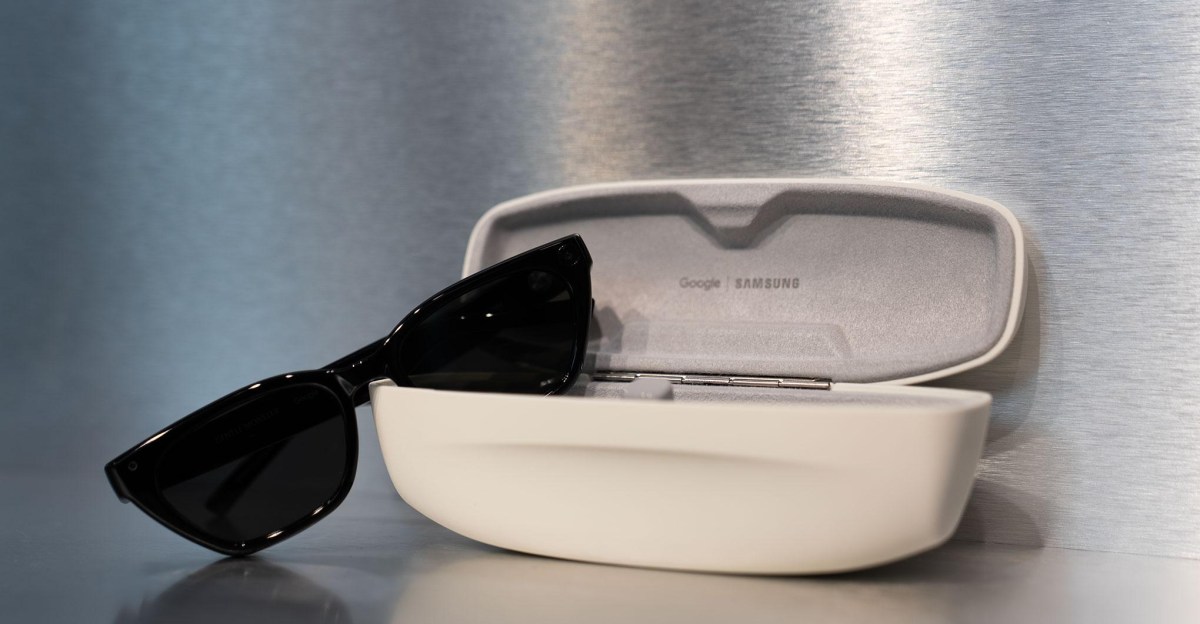
Google and Samsung's new smart glasses, built on Android XR with Gemini, redact faces and ambient audio on-dev…
Okinawa Toyota Motor ran a demonstration of its "XR Ride Bus × AI Guide" in Miyakojima City on the 10th, with…

Amplitude says Wave, its proactive product agent that runs roughly 80% on OpenAI models including GPT‑6.1 Sol…