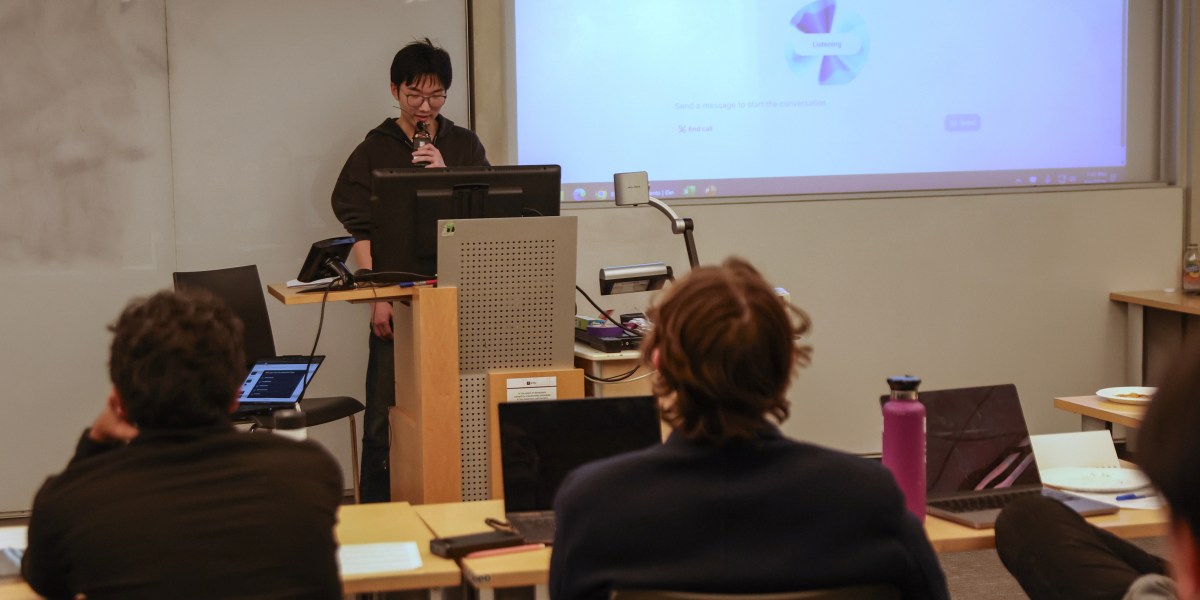
Cornell professor Chris Schaffer introduced oral defense exams last semester as a direct response to ChatGPT — students must now explain their work aloud to an instructor, making it impossible to submit AI-generated assignments without detection.
Unlike traditional written homework that can be generated by large language models (AI systems trained to write text), an oral exam forces real-time conversation where instructors can ask follow-up questions and watch whether a student actually understands the material or just copied an AI's answer.
For students: submitting ChatGPT-written work is no longer a viable shortcut in classes using oral exams — you now need to genuinely learn the material. For educators: this signals a shift away from assignments that can be outsourced to AI, forcing a rethink of how grades actually measure student knowledge.
This approach is spreading to other universities as institutions recognize written assignments alone no longer prove learning in the ChatGPT era, but oral exams remain time-intensive and difficult to scale to large lecture halls.
Ask the AI about this article →
For example, today's edition would include:
AI-summarized, only the topics you pick — one digest a day via Email, Slack, or Discord.
Free · takes 30 seconds · unsubscribe anytimeWhat is AIToday? →
Ask AI anything about this article. Q&As are published on this page for other readers too.
Anthropic reset the 5-hour and 1-week usage limit windows for its AI service Claude on September 1, in connect…
Salesforce and Anthropic announced Claudeforce, starting with "Salesforce in Claude." This plugin lets users i…
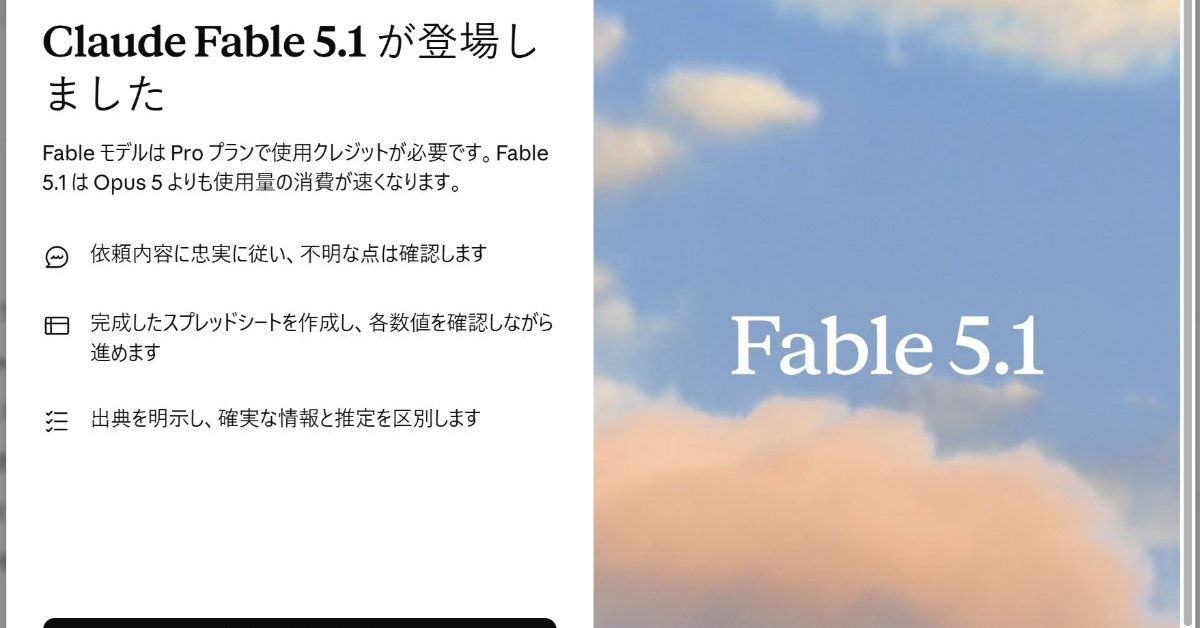
Anthropic announced Claude Fable 5.1 and Claude Mythos 5.1 on September 1
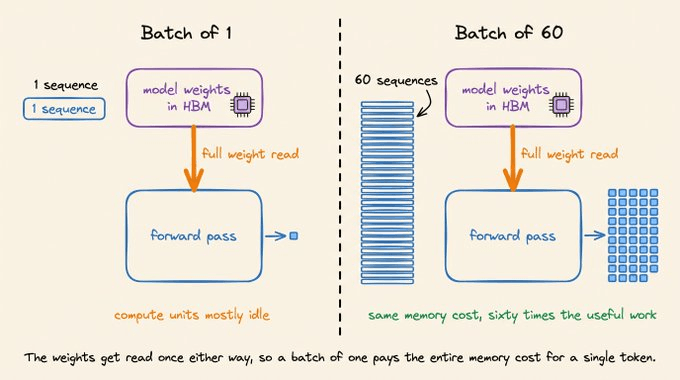
A technical explainer compares three LLM serving strategies—static, dynamic, and continuous batching
Anthropic's latest model, Claude Fable 5.1, is now available on Snowflake Cortex AI
The Allen Institute for AI released BenchMIRT, a method to audit AI benchmarks question-by-question