V-CAGE solves the problem of scaling Vision-Language-Action (VLA) models by autonomously synthesizing high-quality robotic manipulation datasets without manual scripting
Uses Inpainting-Guided Scene Construction to create context-aware layouts that ensure generated scenes are semantically structured and kinematically reachable for robots
Operates as an embodied agentic system that leverages foundation models to connect high-level semantic reasoning with low-level physical robot interactions
Addresses the challenge of existing scene generation methods that lack context-awareness and frequently produce unreachable target positions causing task failures
Ask the AI about this article →
For example, today's edition would include:
AI-summarized, only the topics you pick — one digest a day via Email, Slack, or Discord.
Free · takes 30 seconds · unsubscribe anytimeWhat is AIToday? →
Ask AI anything about this article. Q&As are published on this page for other readers too.
Winamp Group's subsidiary Jamendo SA amended its U.S

Anthropic reset the 5-hour and 1-week usage limit windows for its AI service Claude on September 1, in connect…
Geek+ reported interim results for the six months ended 30 June 2026

Salesforce and Anthropic announced Claudeforce, starting with "Salesforce in Claude." This plugin lets users i…
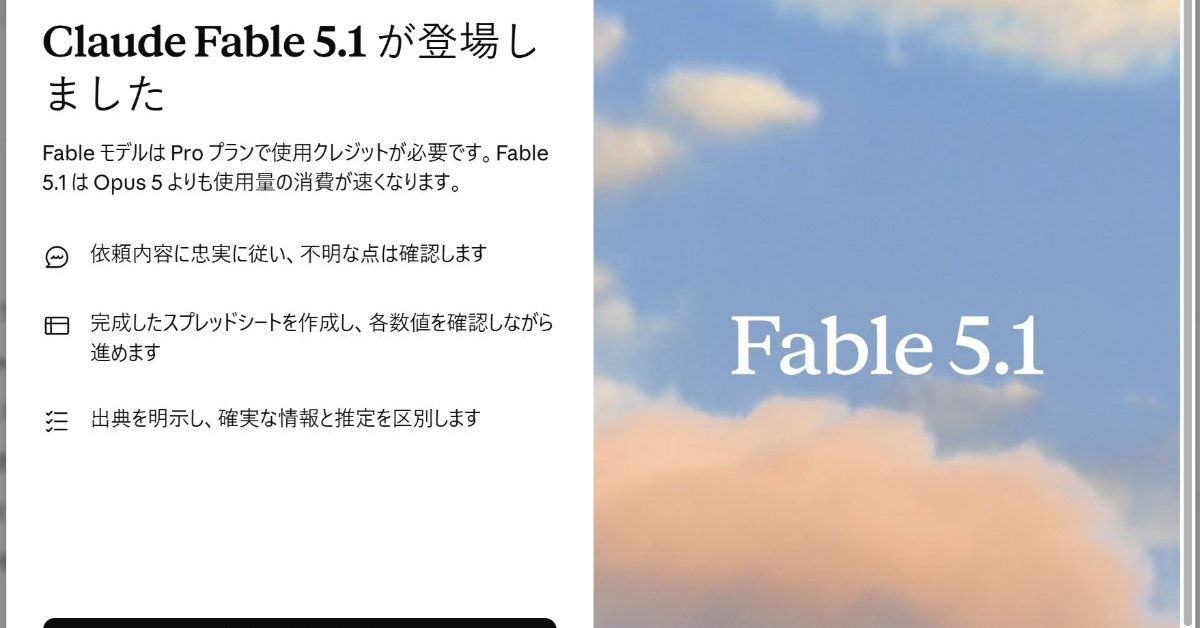
Anthropic announced Claude Fable 5.1 and Claude Mythos 5.1 on September 1
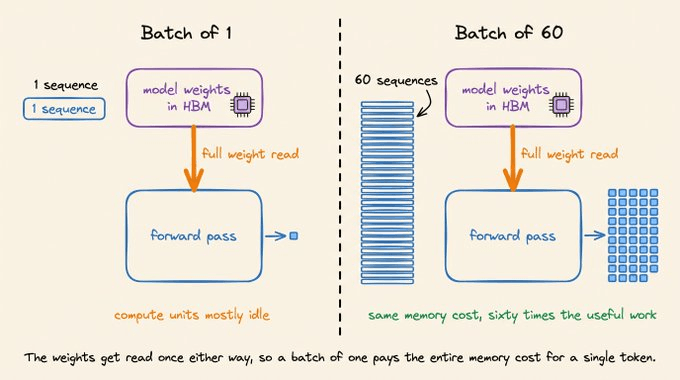
A technical explainer compares three LLM serving strategies—static, dynamic, and continuous batching