What happened
A technology writer argues that the traditional salaried 9-to-5 job model—invented for 20th-century factories—is being dismantled by AI agents handling cognitive tasks and humanoid robots handling physical ones. The World Economic Forum projects 92 million jobs displaced by 2030, with 41% of employers planning headcount cuts as AI automates repetitive work. Young workers aged 22–25 in AI-exposed fields saw employment fall 3.8% per year as of April 2026, running roughly 19% below peers in low-exposure roles by mid-2026.
Why it matters
The transition is structural, not cyclical. Stanford research shows the bottom rungs of career ladders are being sawed off—entry-level tasks like information retrieval, scheduling, and document assembly vanish first. While the long-run economy may create more jobs, the 5–to–10-year window is where individuals and institutions face real risk; companies replacing salaried employees with mission-based contractors will select globally, making geography irrelevant and punishing those who insist on office presence.
What to watch
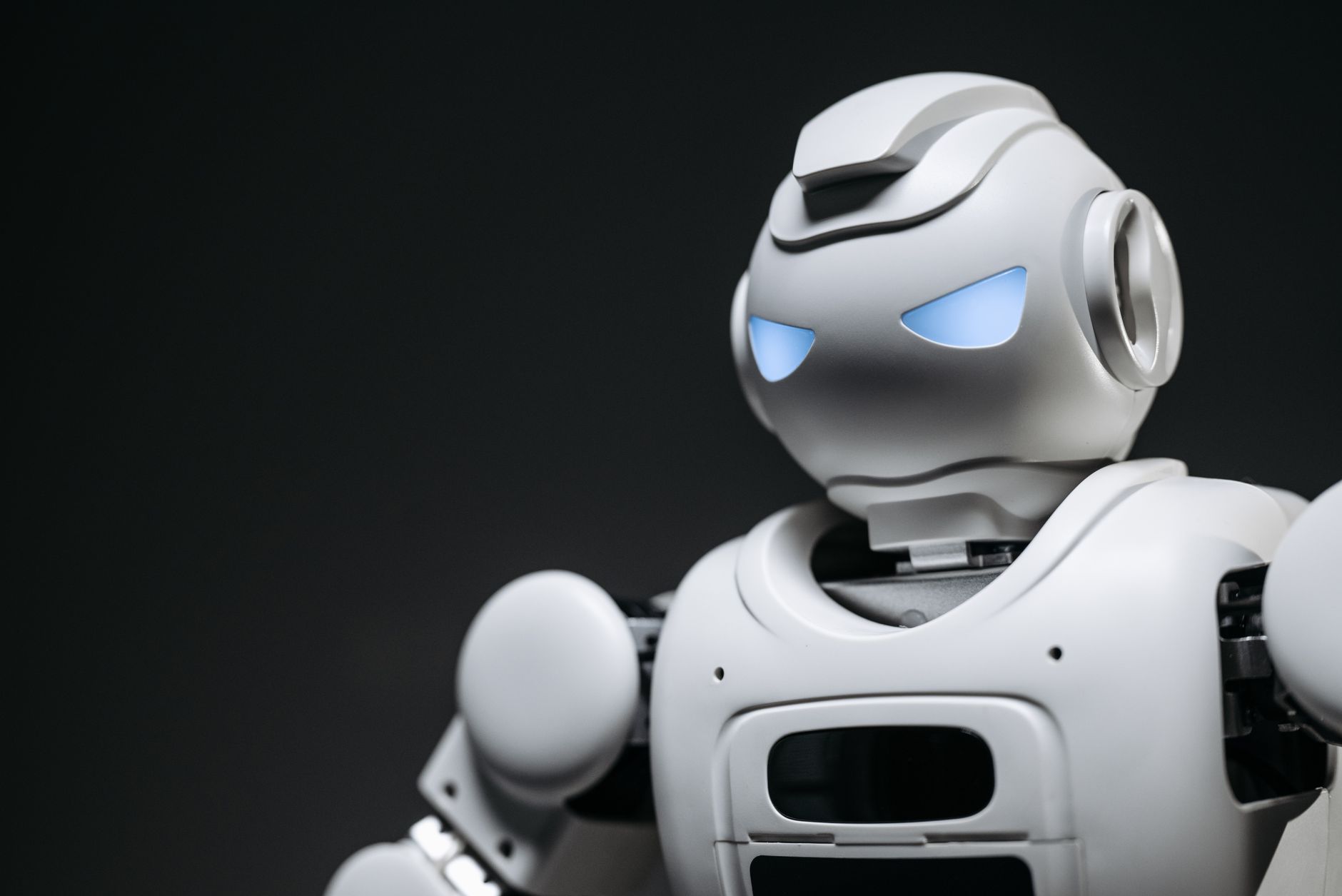
The shift from hours-based pay to outcome-based pay will accelerate. Humanoid robots like Agility Robotics' Digit (logged 65,000+ operating hours) and lower-cost platforms (Unitree shipping ~5,500 units in 2025 at ~$16,000 each) are moving past pilot phase toward production. Four-day-week trials are expanding as AI-driven productivity gains translate into time savings, and by the body's prediction, "what are your working hours?" will sound antiquated within a decade.
Summaries like this, in your inbox every morning.
The article rests on a crucial distinction: work as an activity will persist and expand, but the institutional package called "a job" is breaking apart. The 9-to-5 salaried role was designed for factory-era coordination costs that no longer exist. Intelligence is no longer scarce, coordination is cheap, and physical labor is about to be fully automatable—all conditions that render synchronized office hours obsolete.
The automation wave differs from past ones in speed and distribution. Yes, the loom and spreadsheet created more jobs than they destroyed, but the transition took decades and the pain was real. Today's displacement is concentrated: Stanford data shows employment for young workers in AI-exposed occupations falling 3.8% per year as of April 2026, while their low-exposure peers grew at 2%—a gap of roughly 19% by mid-2026. The tasks vanishing are exactly the entry-level work that once built careers: information retrieval, scheduling, document formatting. The bottom rungs are being sawed off faster than new ones can be built.
Physical automation, long delayed, is now tangible. Figure's humanoid completed an 11-month pilot at BMW; Agility's Digit has logged 65,000+ operating hours; Unitree shipped ~5,500 units in 2025 at ~$16,000 each. The author is cautious—these are still the "Apple II era" of robots, cycle times lag humans, and Tesla's Optimus isn't yet factory-viable "in a material way." But the economics are unambiguous: a $16,000 machine running 24/7 without injury, sick leave, or grievance costs pennies an hour in hardware plus electricity. Even a $150,000 Western robot drops below high-wage labor once amortized over sufficient runtime. The "dull, dirty, and dangerous" jobs—night-shift logistics, hazardous inspection, repetitive assembly—go first, and the trajectory is not in dispute.
What remains for humans is the cognitive core: judgment, accountability, creativity, relationships, taste. But that work is denser and more cognitively expensive than traditional employment. The author argues that when AI removes the repetitive 60% of a role, the remaining 40% (decisions, creativity, responsibility) cannot be sustained for eight hours a day—no human can do pure judgment at that intensity. Recovery becomes infrastructure, not a perk, and work-life balance will shift from HR brochure to contract clause within a decade.
Pick your industry and the AI tools you use, and get news related to your work every day.
Free · 30 seconds with Google · unsubscribe anytimeWhat is AIToday? →
Ask AI anything about this article. The AI reads this article, earlier AIToday articles, and Wikipedia, and cites its sources. Q&As are published on this page for other readers too.
Meta introduced Muse Wonder and Muse Wonder Full, calling them its most capable models for personal and profes…

Shield AI is taking GE Aerospace deeper into AI's most unusual battleground, according to Benzinga

Analysts frame Ciena as a prime AI infrastructure beneficiary, citing aggressive cloud provider and neo-scaler…

In early October 2026, venture capitalist Paul Kedrosky called Oracle financially exposed to an AI downturn, p…

GE Aerospace, Shield AI and Poland's WZL-2 are planning a partnership for fighter maintenance
Cisco announced the 102.4-terabit Silicon One G300 chip is now shipping at volume, unveiled the 51.2-terabit S…