What happened
Amazon.com (AMZN) management now leads its calls with AI and plans about $220 billion of 2026 capital spending. North America still got cheaper to serve, and AWS revenue grew 36.7% in fiscal Q2 2026.
Why it matters
Management says returns on AI are running slightly ahead of the core cloud business at the same stage, but the payback is years away on management's own timeline; the 2026 plan rose because memory chips cost more.
What to watch
The payback hinges on whether AWS growth holds near 36.7% while the 2026 spending plan keeps rising, since a thin 7.9% North America operating margin leaves little room for delivery cost increases.
WHO IT HITSThis lands on Amazon shareholders weighing AI capex against returns, and on enterprise cloud buyers and IT procurement teams budgeting for AWS capacity, since management expects demand to outrun capacity through 2026.
Summaries like this, in your inbox every morning.
Amazon's calls used to open on the retail side, with management pointing to regionalization—placing inventory closer to buyers—as a source of savings on the cost to serve each unit. In the fiscal Q3 2024 call, management expected more savings from regionalizing outbound delivery; by the fiscal Q4 2024 call, it said the global cost of serving each unit had fallen; and in the fiscal Q4 2025 call, held in February 2026, management said regionalization brought faster delivery and lower costs. The fiscal Q4 2025 call is the last one where regionalization came up, and by the fiscal Q2 2026 call the airtime had shifted to AWS. Lower cost to serve still got a line, though: management said it keeps cutting that cost even as transport costs rise.
The numbers behind that shift are stark. North America is Amazon's largest segment, bringing in $426.3 billion in 2025, while AWS brought in $128.7 billion. Yet AWS grew 19.7% that year against North America's 10.0%, and pulled further ahead in fiscal Q2 2026 with 36.7% growth. That growth is being bought with heavy spending, and the payback arrives later: management's deployment cycles historically indicate that initial facility investments precede server monetization by up to two years, with hardware equipment typically targeting multi-year payback horizons.
What the reader is left weighing is whether the delivery network keeps paying for itself while the cloud arm spends. With North America's operating margin at 7.9% in fiscal Q2 2026, even small rises in delivery costs matter, and if AWS revenue deceleration outpaces capex rationalization, return on invested capital may be delayed. The test is likely to come on the fiscal Q3 2026 call, where the figures to watch are whether AWS growth holds near 36.7% and where the 2026 spending plan lands.
For example, today's edition would include:
AI-summarized, only the topics you pick: one digest a day via Email, LINE, or Slack.
Free · 30 seconds with Google · unsubscribe anytimeWhat is AIToday? →
Ask AI anything about this article. The AI reads this article, earlier AIToday articles, and Wikipedia, and cites its sources. Q&As are published on this page for other readers too.
Warp launched Warp Agent, part of its Warp 2.0 release, handling onboarding, tax compliance, benefits and empl…

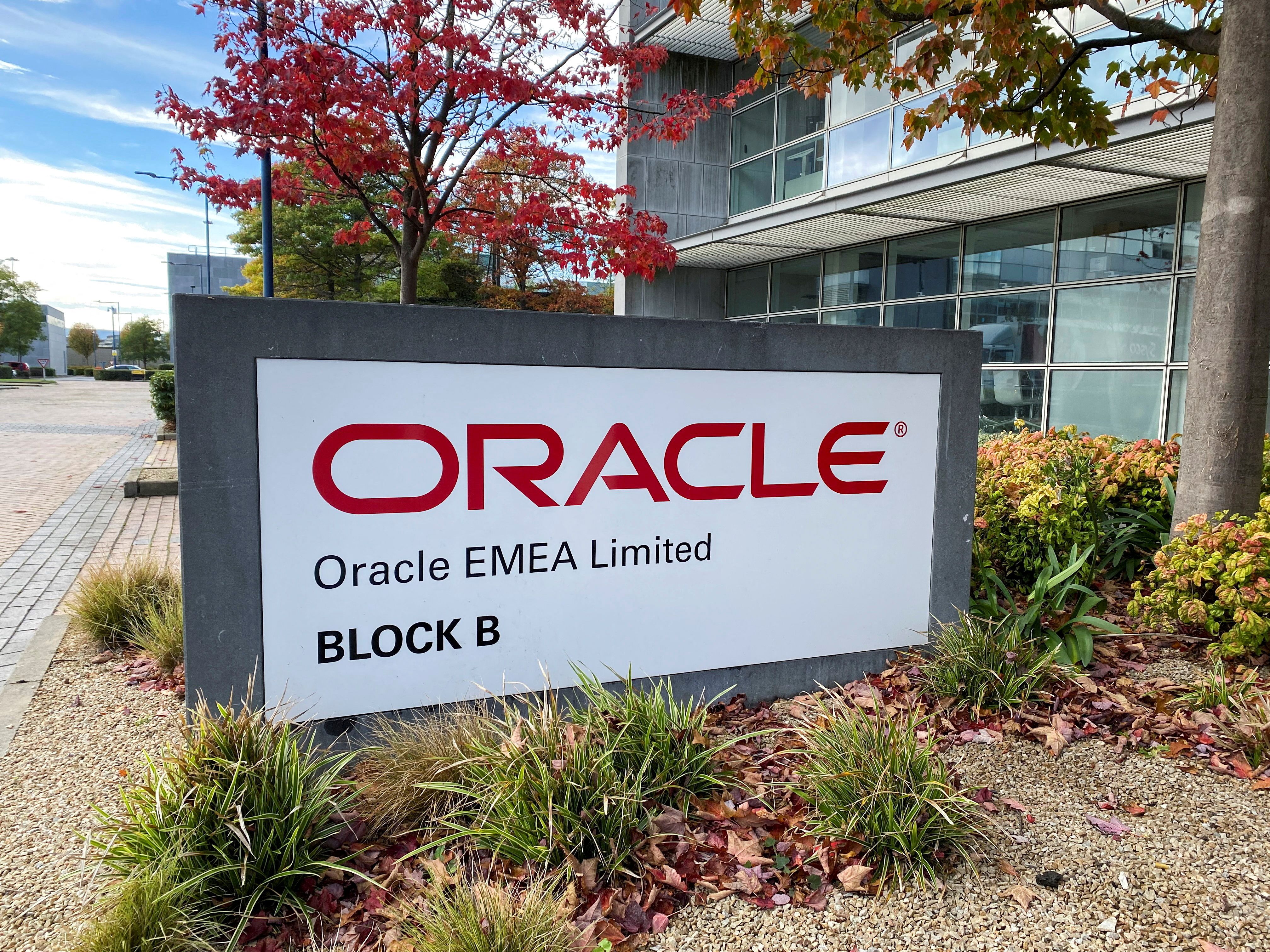
Oracle declared force majeure on a giant US data center under construction, after officials where the facility…
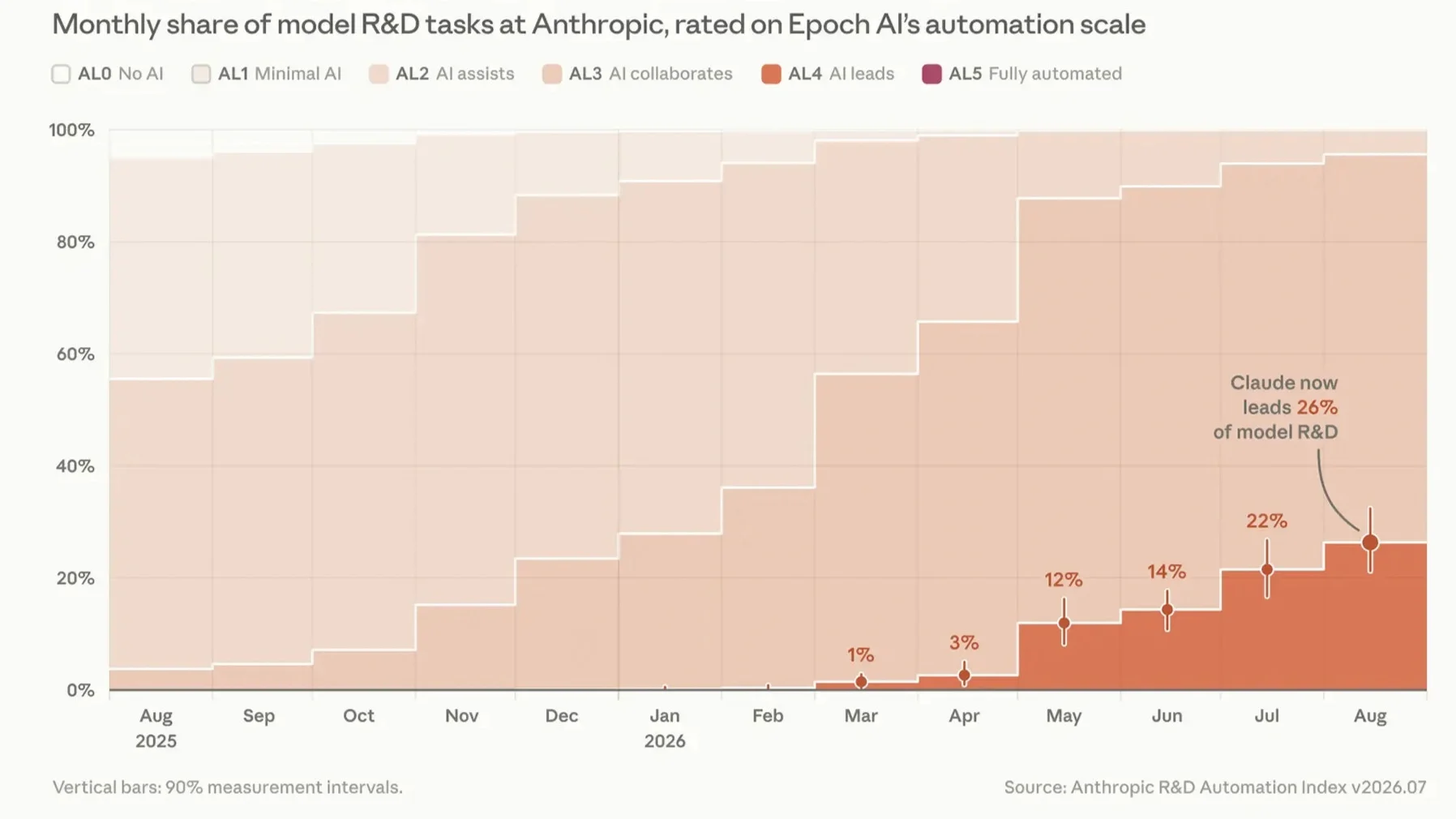
Anthropic published internal estimates showing Claude at the "leads" level for 26% of its measured AI research…
Google said on September 24 that its Trillium TPUs will fly on SpaceX's Transporter-18 mission with Planet dur…

Meta made Muse the focus of Connect 2026 on September 23, unveiling Charm, a small keychain device shipping in…

Harker, a former Philadelphia Fed president, writes that AI-exposed job postings peaked and fell in March 2022…