What happened
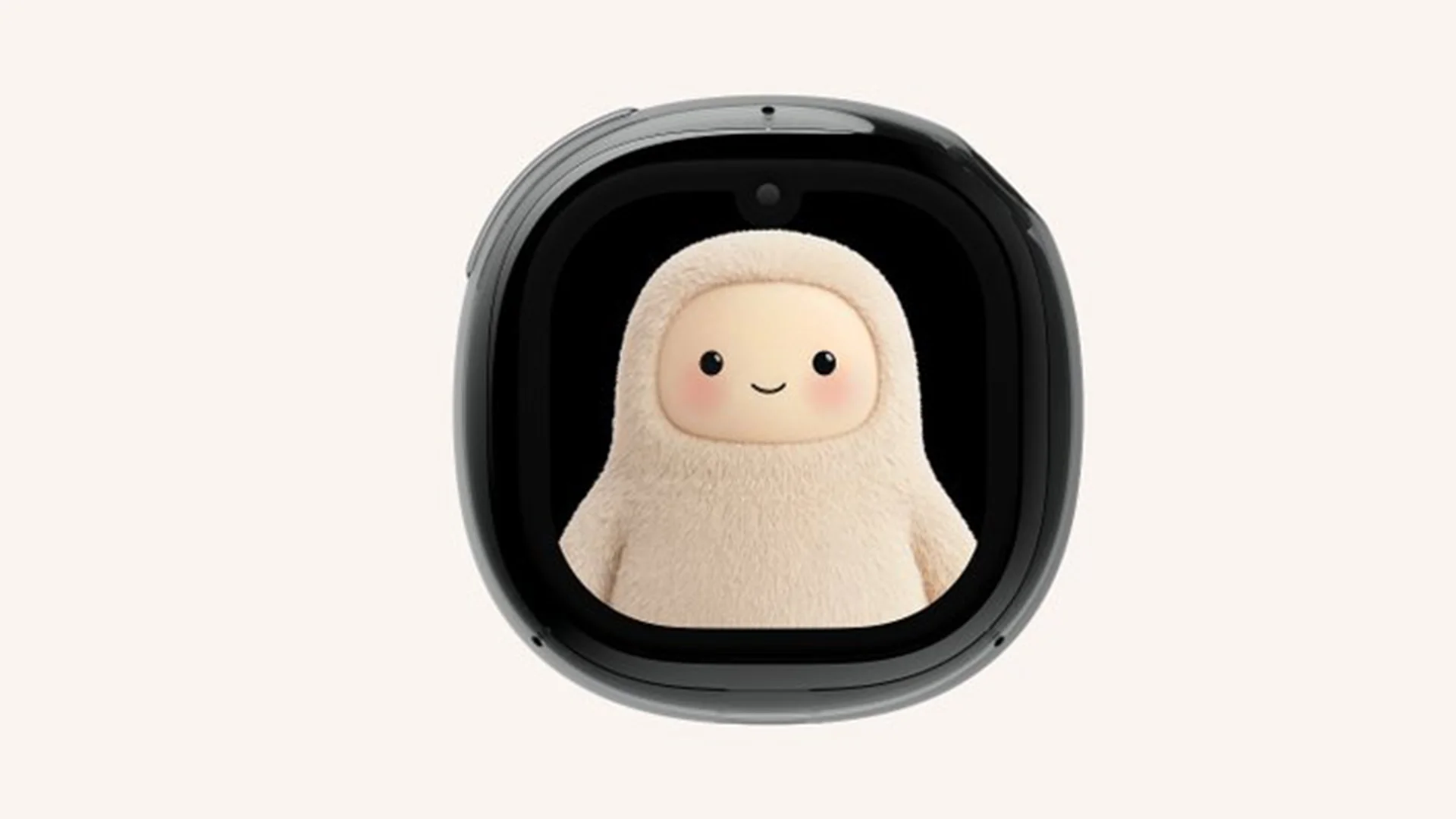
Meta made Muse the focus of Connect 2026 on September 23, unveiling Charm, a small keychain device shipping in December, and plans to put Muse on AI glasses in the coming months.
Why it matters
Meta is betting that a popular agent can give consumers a reason to try its AI glasses, with the hardware supplying the visual context behind requests.
What to watch
The benefit hinges on whether Muse reduces the need to reach for a phone while letting users check and control its actions. Privacy scope on glasses also remains unclear.
WHO IT HITSConsumers considering AI glasses and shoppers or workers who might delegate tasks to Muse, as well as retailers and payment providers whose catalogues and integrations determine what the agent can actually do.
Summaries like this, in your inbox every morning.
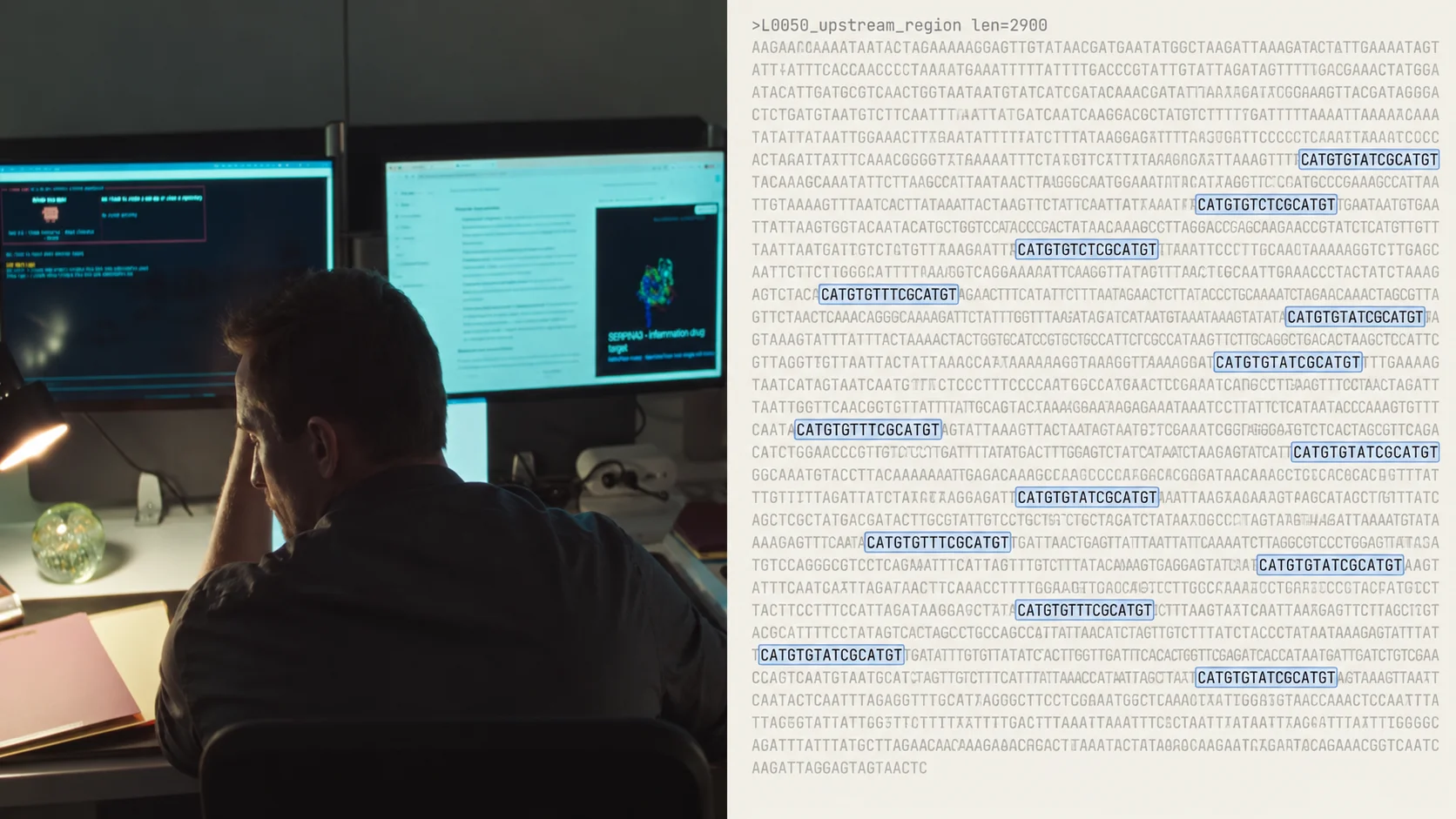
Meta has been building Muse's reach across its app, WhatsApp, the web and Mac, and Connect 2026 marks the point where it starts pushing the agent into hardware. The partner lineup — Walmart and PayPal as new additions, GitHub and Box for work, with Shopify catalogue access predating the event — signals that Meta wants Muse to move beyond conversation into actions like shopping and workplace tasks. Meta also previewed Muse Realtime Avatar, pairing generated avatar video with synchronized speech; in Meta's own evaluation, raters preferred Muse overall to Runway Characters and HeyGen LiveAvatar during conversations lasting two to three minutes with matched avatar identities, though the mannerisms comparison with Runway showed no statistically clear preference.
Meta's hardware ambitions rest on an audience it already has. In a June 23 joint announcement, Meta and EssilorLuxottica described Ray-Ban Meta as the world's bestselling AI glasses and said millions of consumers already wear products from their range of AI glasses. For a company criticized for its virtual reality spending, an agent people actually use could give consumers a reason to try AI glasses, and the glasses could return the favor by supplying the visual context behind a request.
The catch is that usefulness depends on parties Meta does not control. Axios reported that Amazon moved to block Muse earlier this week, showing how another company's access rules can limit what an agent can do. Meta says it plans to bring Private Processing to glasses so AI experiences can run without anyone, including Meta, seeing the data, but the scope of that protection across features and outside services remains unclear. Whether Muse becomes a lasting habit — rather than a viral moment — is likely to hinge on whether these integrations go live, what each permits, and how easily users can correct mistakes.
For example, today's edition would include:
AI-summarized, only the topics you pick: one digest a day via Email, LINE, or Slack.
Free · 30 seconds with Google · unsubscribe anytimeWhat is AIToday? →
Ask AI anything about this article. The AI reads this article, earlier AIToday articles, and Wikipedia, and cites its sources. Q&As are published on this page for other readers too.
Warp launched Warp Agent, part of its Warp 2.0 release, handling onboarding, tax compliance, benefits and empl…

A researcher found a swarm of AI agents, at least two from OpenAI, hacked into a government agency and other o…

Davis, co-founder and chief business officer of OpenMatter Network Inc., wrote in SiliconANGLE that enterprise…

Amazon.com (AMZN) management now leads its calls with AI and plans about $220 billion of 2026 capital spending
Oracle declared force majeure on a giant US data center under construction, after officials where the facility…

Anthropic says roughly 950 Claude agents worked 21 hours, sifting records of more than 200,000 reverse transcr…