
What happened
Princeton researchers tested whether AI agents could conduct open-ended research—the kind without clear-cut answers that requires judgment and creativity. They had Claude Opus 4.8 tackle unpublished research questions from NeurIPS 2026 papers over six days with $3,000 in API credits. Both papers were rejected by the original authors; the agents handled engineering tasks well but produced work that lacked novelty and failed to explore ideas properly.
Why it matters
The AI industry has promised that models will soon improve themselves with minimal human oversight, but this study suggests that milestone is further away than many forecasts claim. AI systems can write code and optimize chips, but they struggle with the open-ended thinking—rethinking approaches, exploring multiple ideas, incorporating feedback—that actual research progress requires. Anthropic cofounder Jack Clark called the lack of creativity a "bearish signal on short recursive self-improvement timelines."
What to watch
The research team is now testing the same experiment with Mythos, Anthropic's most advanced model launched in April, though it is now available only to approved organizations under Trump administration safety restrictions. The core question remains unresolved: whether recursive self-improvement requires creative breakthroughs or can rely solely on narrower, measurable improvements to speed and benchmarks.
Summaries like this, in your inbox every morning.
The promise of recursive self-improvement—where AI systems accelerate their own development—has become the AI industry's boldest near-term milestone. Both OpenAI and Anthropic have publicly charted progress toward this goal. In July, OpenAI highlighted that GPT-5.6 Sol helped post-train a smaller model, saving weeks of work. Anthropic published a blog post in June titled "When AI Builds Itself," signaling confidence in the trajectory. However, the Princeton study exposes a critical gap between what AI agents can do narrowly and what they can do creatively.
The researchers designed "shadow evaluation," a new testing method, to measure open-ended research capabilities—the kind of work that cannot be reduced to yes-or-no answers. Their finding that Claude Opus 4.8 could manage all the engineering legwork (literature review, experiment running, result compilation) but produced papers rejected for lack of originality points to a deeper limitation. Sayash Kapoor, one of the study's leads, attributed this to how AI models are trained: they excel at tasks that can be checked automatically through reinforcement learning, but open-ended work requires training environments that do not yet exist. Anthropic cofounder Jack Clark later echoed this observation, noting the company found similar constraints when attempting to automate AI safety research—a domain also demanding intuitive judgment over rote execution.
The study has limits. It evaluated only two papers, and knowing their graders were human researchers evaluating AI work may have influenced their judgments. The researchers themselves had discretion in study design, introducing potential bias. Yet the findings align with what AI companies report internally and raise a structural question about the path to self-improvement: can AI progress through grinding improvements on narrow, measurable tasks alone, or does recursive self-improvement require the creative leaps—like the invention of transformers—that Kapoor argues have driven the field's biggest breakthroughs? That, Kapoor concludes, is "frankly the trillion-dollar question right now."
Pick your industry and the AI tools you use, and get news related to your work every day.
Free · 30 seconds with Google · unsubscribe anytimeWhat is AIToday? →
Ask AI anything about this article. The AI reads this article, earlier AIToday articles, and Wikipedia, and cites its sources. Q&As are published on this page for other readers too.
ElevenLabs completed a $300 million employee tender at a $22 billion valuation, and co-founder Mati Staniszews…
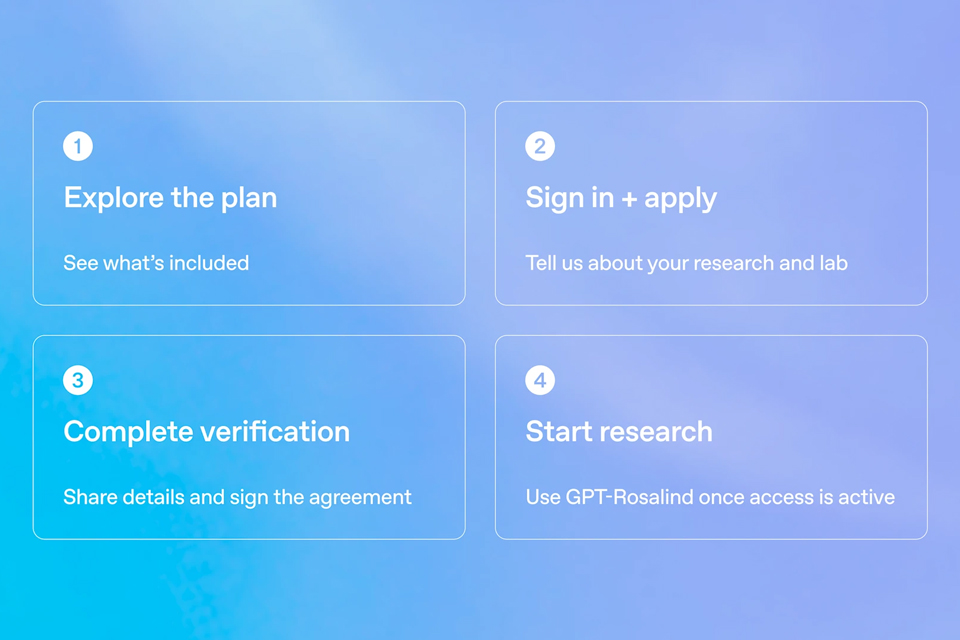
On October 15, OpenAI announced the Rosalind Academic Plan, giving approved US university labs free access to…
A Qiita article compared automated red-teaming methods for LLM apps — GCG, PAIR, and TAP — using mock implemen…

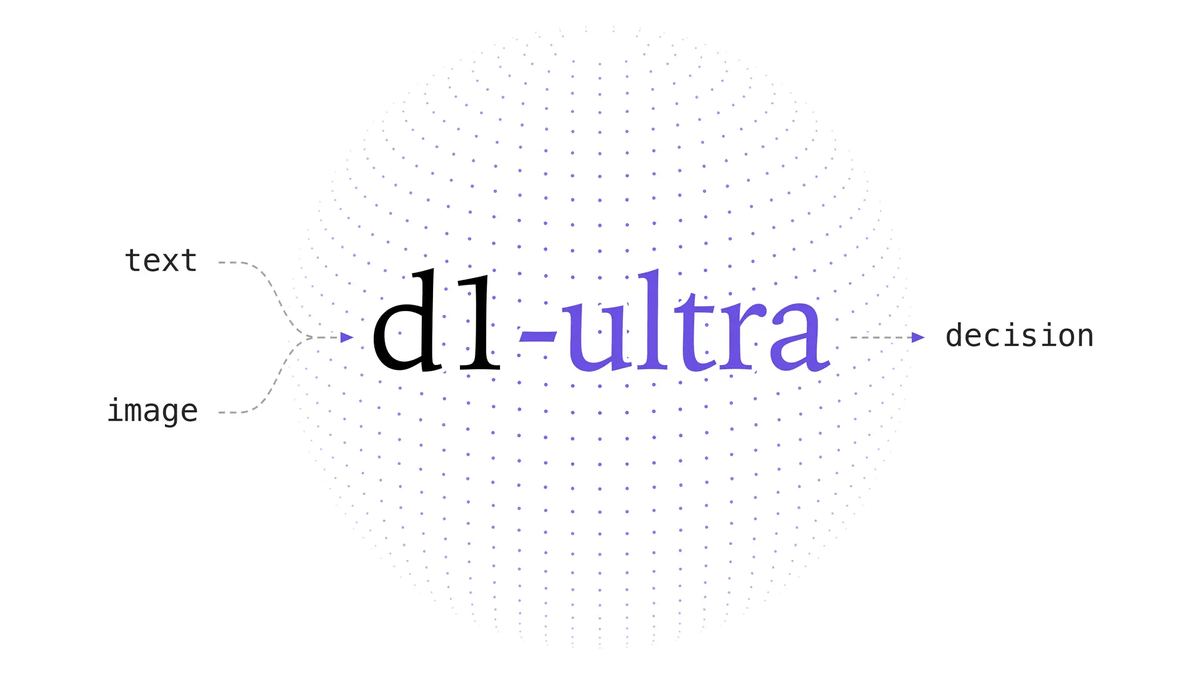
Liquid AI released d1-ultra on October 15, 2026, an upgraded open-weights decision model that averaged 76.7 ac…
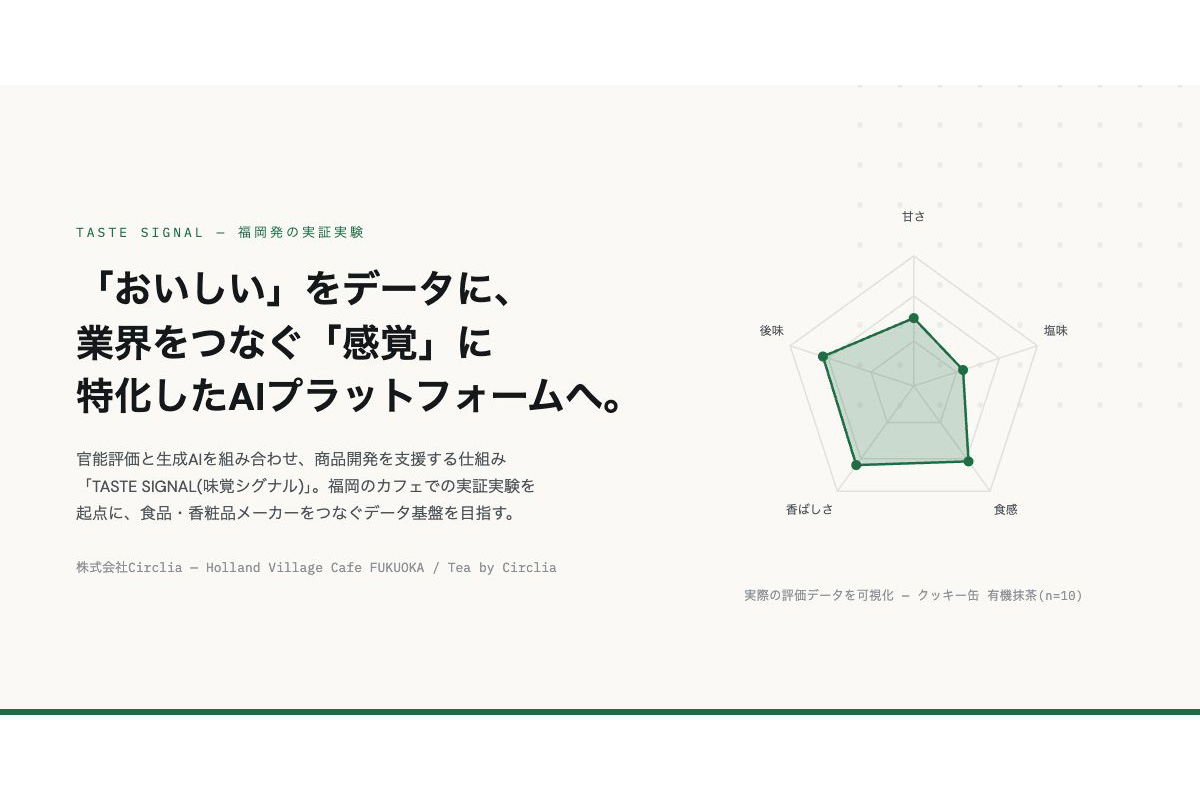
Circlia started a proof-of-concept for TASTE SIGNAL: visitors to Holland Village Cafe FUKUOKA taste cookies an…
In a webinar hosted by French Mathematical Society president Isabelle Gallagher, Fields Medal winner Hugo Dumi…

