A researcher (Anton Krylov) built a custom AI system using eight specialized agents — each analyzing one failure channel (energy markets, shipping, LNG supply, consumer costs, etc.) — to stress-test global economic impact if the Strait of Hormuz (which carries 20.9 million barrels/day, one-fifth of global oil) closes. The agents cross-check each other's claims and feed the strongest evidence into a single report, rather than a human analyst reading papers alone.
The model translates crude-oil shock into consumer pain: a closure lasting one month would push U.S. regular gasoline to $4.01–$4.41/gallon and add 0.12 percentage points directly to CPI inflation, equivalent to a $50/month cost increase for a typical driver. A six-month closure would keep WTI around $98–$115/barrel and reduce global growth by 2.9 percentage points annualized in that quarter.
For business professionals and investors, the model breaks down which countries and industries face the highest stress (energy-reliant economies first, then shipping and insurance sectors), and shows bond-market sensitivity — whether inflation or recession fear would dominate yield moves. For households, it quantifies the gap between official inflation and actual fuel-pump cost: this system turns abstract energy-market risk into a concrete monthly household budget impact.
Ask the AI about this article →
For example, today's edition would include:
AI-summarized, only the topics you pick — one digest a day via Email, Slack, or Discord.
Free · takes 30 seconds · unsubscribe anytimeWhat is AIToday? →
Ask AI anything about this article. Q&As are published on this page for other readers too.
Google DeepMind chief Koray Kavukcuoglu said being at the frontier of AI is the only thing that matters to the…

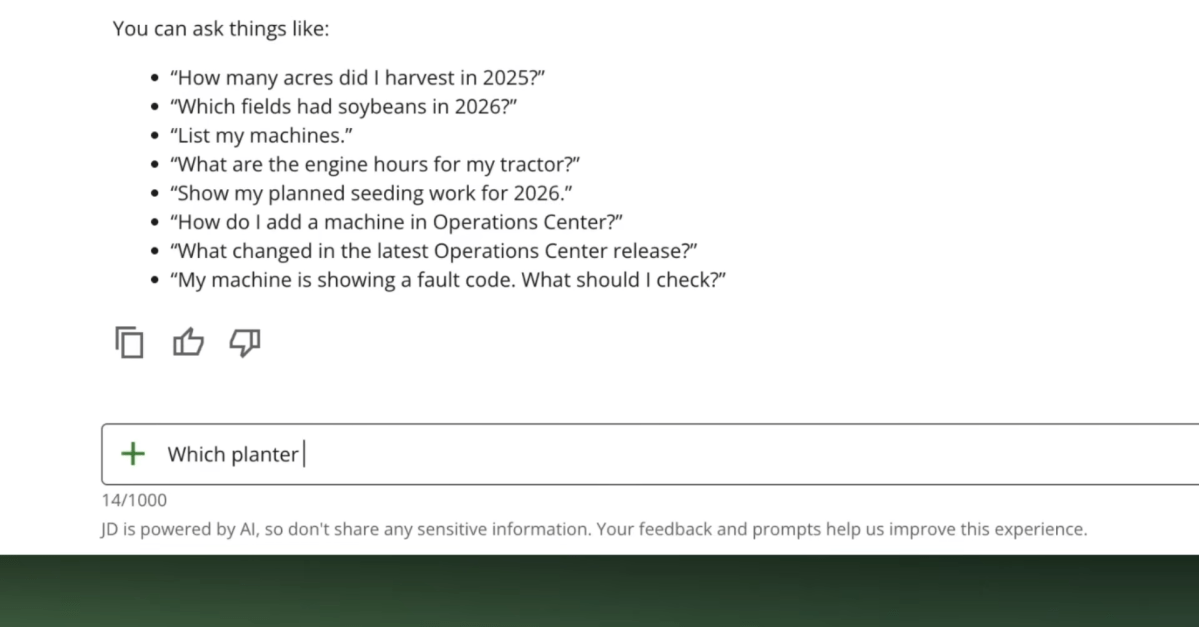
John Deere is testing an AI assistant called “JD” that answers farmers' questions on topics like equipment set…
Google has launched Google Pics, a new suite of creative design tools for Workspace users, built around Gemini…

OpenAI said today that it is integrating ChatGPT Health with Epic's electronic health record (EHR) system, whi…
Google is launching Google Pics, an AI-powered image creation and editing tool that will be part of Google Wor…

Google DeepMind launched agentic video understanding across Gemini 3.7 Flash, 3.6 Flash, and 3.5 Flash-Lite