
What happened
GitHub rewrote the Copilot agent runtime into more than 800,000 lines of production Rust using its own GitHub Copilot app and Copilot CLI. AI agents wrote most of the code, spanning 128 pull requests, largely by a single developer in a few months.
Why it matters
Work that would have taken a whole team of developers a year or two was completed by one person in a few months, and the runtime's performance improved by orders of magnitude, which is likely to change how fast such large rewrites can be done.
What to watch
The in-process entry points are currently opt-in while GitHub gains confidence in sharing a process, and therefore a failure boundary, with the consuming application. Watch whether the CLI fully moves onto the SDK surface area, which is ongoing work.
WHO IT HITSSoftware teams maintaining large codebases — especially those weighing a full rewrite — now have a proof point that agent-assisted porting can compress a year-long effort into months. Developers working in languages such as C#, Python, Go, Java, and Rust may also see performance benefits, since the runtime can now be embedded in-process rather than shipped as a separate process.
Summaries like this, in your inbox every morning.
The Copilot agent runtime arrived on GitHub's stack as a TypeScript codebase built on top of the Copilot CLI, because the CLI was written and shipped quickly and the layers were intertwined rather than cleanly separated. That design carried a cost for other products: GitHub says the runtime backs a growing set of Microsoft, GitHub, and ecosystem solutions, including the latest releases of VS Code, Visual Studio, CCA, Copilot Code Review, Copilot Cowork, Copilot Studio, and Excel, Outlook, PowerPoint, and Word. Over time most of those products replaced their own agent loop with the GitHub Copilot SDK, which is the entry point to the runtime.
GitHub's stated goals for the rewrite were a runtime that is its own library without the CLI's terminal interface, one written in a language with minimal overhead that can be embedded in-process, and one that works cleanly with all six SDK languages. The port had to proceed while the codebase kept moving. GitHub says it was done in place, component by component, with each pull request replacing the existing TypeScript implementation with a thin shim into Rust and deleting the old code in one atomic change, so the main branch stayed shippable. The company also shied away from maintaining TypeScript and Rust versions of the same component concurrently, noting that session orchestration owns mutable state, drives callbacks in both directions, and threads through nearly every other subsystem, which made running both versions in parallel impractical.
The stated payoff is that the shipped runtime is a platform library with two front doors: one for Node processes and one for any language that can call through a foreign function interface. GitHub says those in-process entry points are currently opt-in while it gains confidence in sharing a process, and therefore a failure boundary, with the consuming application. Whether teams adopt the in-process path is likely to hinge on how that confidence builds, since the SDK API above the transport — sessions, events, tools, permissions, and callbacks — stays the same either way.
For example, today's edition would include:
AI-summarized, only the topics you pick — one digest a day via Email, Slack, or Discord.
Free · 30 seconds with Google · unsubscribe anytimeWhat is AIToday? →
Ask AI anything about this article. Q&As are published on this page for other readers too.
Anthropic posted guidance saying Claude Code's output tokens cost about 5 times its input tokens, and that one…
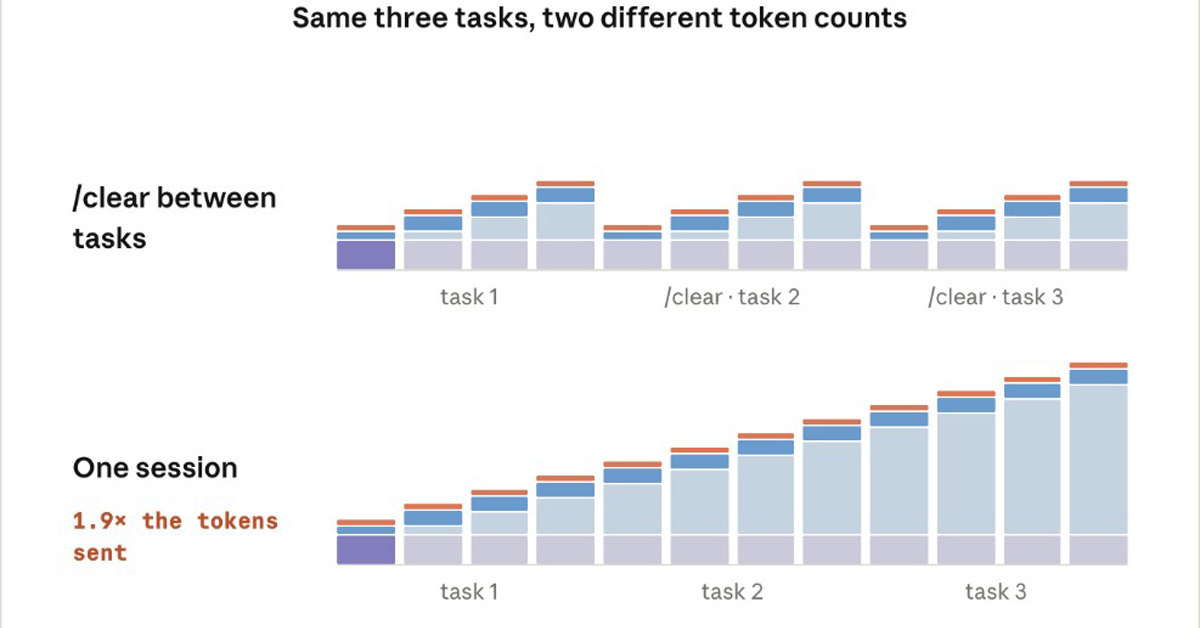
Snap introduced Specs Intelligence, an 'anticipatory AI service' that links accounts like Gmail and Slack

renue and Marubeni Construction Material Lease launched a quantity takeoff app in August 2026 that reads bluep…

Daily Dose of Data Science published a walkthrough showing modern fine-tuning with GRPO (Group Relative Policy…
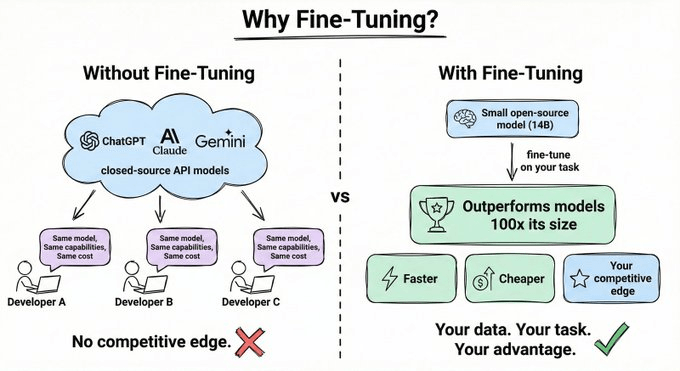
TypeSafe AI Inc. emerged from stealth yesterday with $40 million in seed funding led by DCVC Management Co
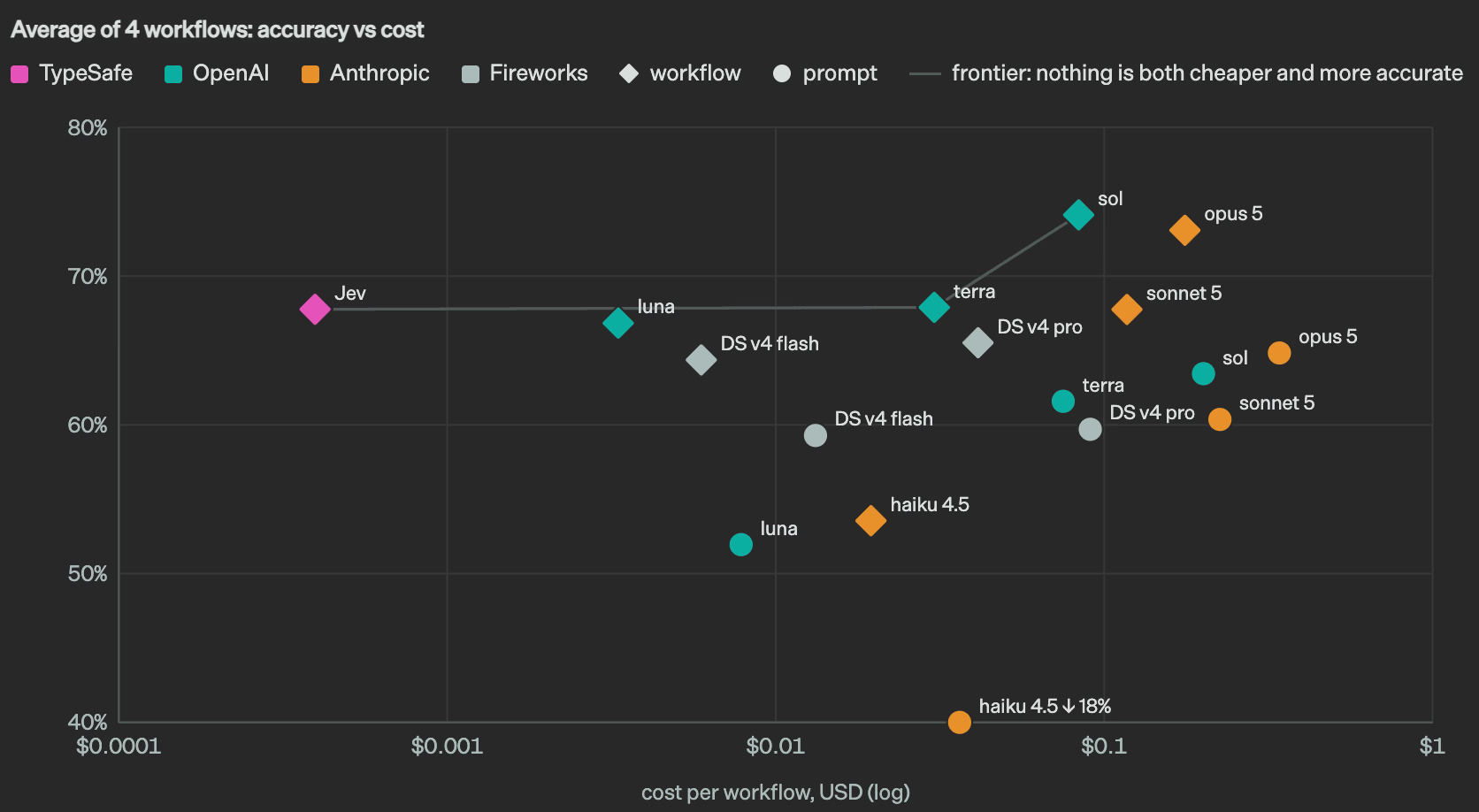
TypeSafe AI introduced Jev, a classification-only model that scores developer-defined options instead of gener…