
What happened
GitHub rewrote the Copilot agent runtime from TypeScript into over 800,000 lines of production Rust, landing the work in 128 pull requests with AI agents writing most of the code.
Why it matters
The rewrite was done primarily by a single developer in a few months, a project GitHub says would have taken a whole team a year or two before agents.
What to watch
The completed runtime is 100% production Rust as of August 21, but in-process embedding stays opt-in while GitHub gains confidence in sharing a failure boundary with consuming applications.
WHO IT HITSTeams building or embedding the Copilot SDK in C#, TypeScript, Python, Rust, Go, or Java should note they can now run the runtime inside their own process instead of spawning a separate Node process. For application developers who supervise, memory-budget, and debug these integrations, the two-process setup that previously forced about 100 MB of working set minimum may no longer be required.
Summaries like this, in your inbox every morning.
The Copilot agent runtime was originally written in TypeScript on Node.js, backing the Copilot CLI, Copilot app, and cloud agent. That stack was fine for a console application, but as the runtime spread to VS Code, Visual Studio, Copilot Code Review, Copilot Cowork, Copilot Studio, and Office apps, its startup, memory, and throughput costs became harder to justify. The SDK had been layered on top of the CLI rather than the other way around, so every SDK consumer in C#, Python, Go, Java, or Rust spawned a subprocess and paid for a second language runtime it otherwise had no use for.
The port was done in place, component by component, with each pull request replacing a TypeScript implementation with a thin shim calling into Rust. That kept main shippable and let end-to-end tests run against the new code at every step. Early work began in early May 2026 with two pull requests setting up the Rust workspace, and progressed from pure-logic helpers inward to session orchestration, the most coupled part of the runtime.
What the outcome hinges on is confidence in sharing a process and a failure boundary with consuming applications. The completed Rust runtime supports both in-process and out-of-process hosting, but those in-process entry points remain opt-in for now, leaving the SDK's JSON-RPC path as the default while GitHub monitors feedback. For the six SDK language versions, the shift seems likely to reduce the overhead each consumer carries, though the timing of a full default change is not stated.
For example, today's edition would include:
AI-summarized, only the topics you pick — one digest a day via Email, Slack, or Discord.
Free · 30 seconds with Google · unsubscribe anytimeWhat is AIToday? →
Ask AI anything about this article. Q&As are published on this page for other readers too.
Anthropic posted guidance saying Claude Code's output tokens cost about 5 times its input tokens, and that one…
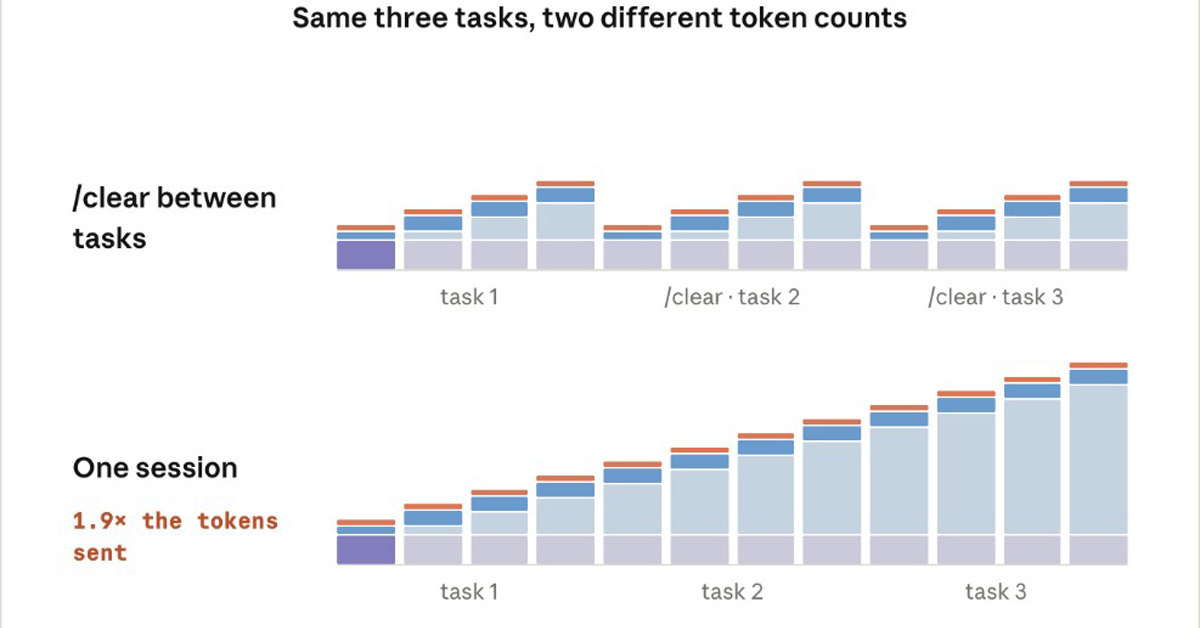
Snap introduced Specs Intelligence, an 'anticipatory AI service' that links accounts like Gmail and Slack

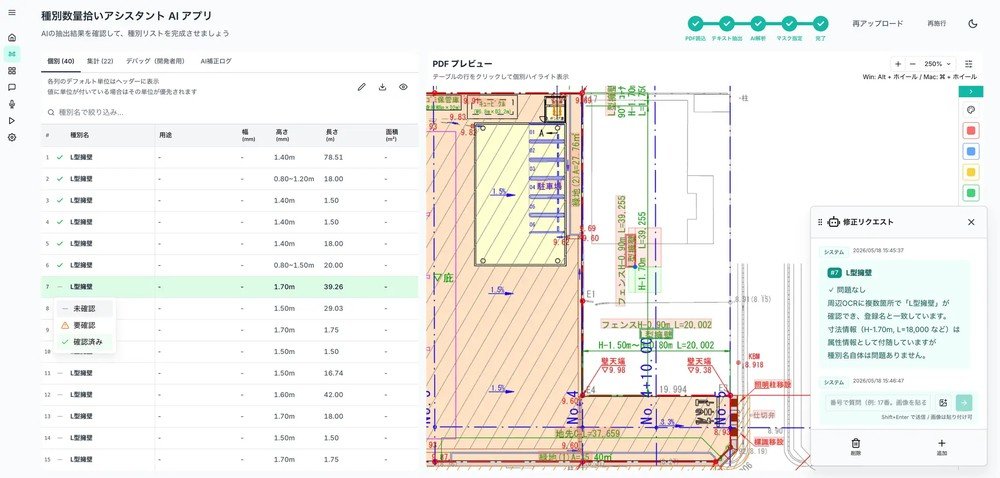
renue and Marubeni Construction Material Lease launched a quantity takeoff app in August 2026 that reads bluep…
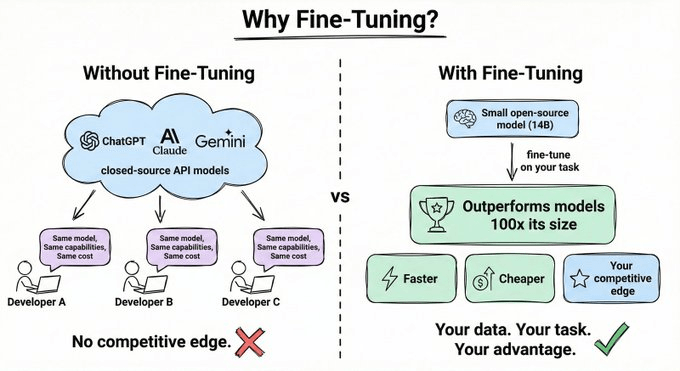
Daily Dose of Data Science published a walkthrough showing modern fine-tuning with GRPO (Group Relative Policy…
TypeSafe AI Inc. emerged from stealth yesterday with $40 million in seed funding led by DCVC Management Co
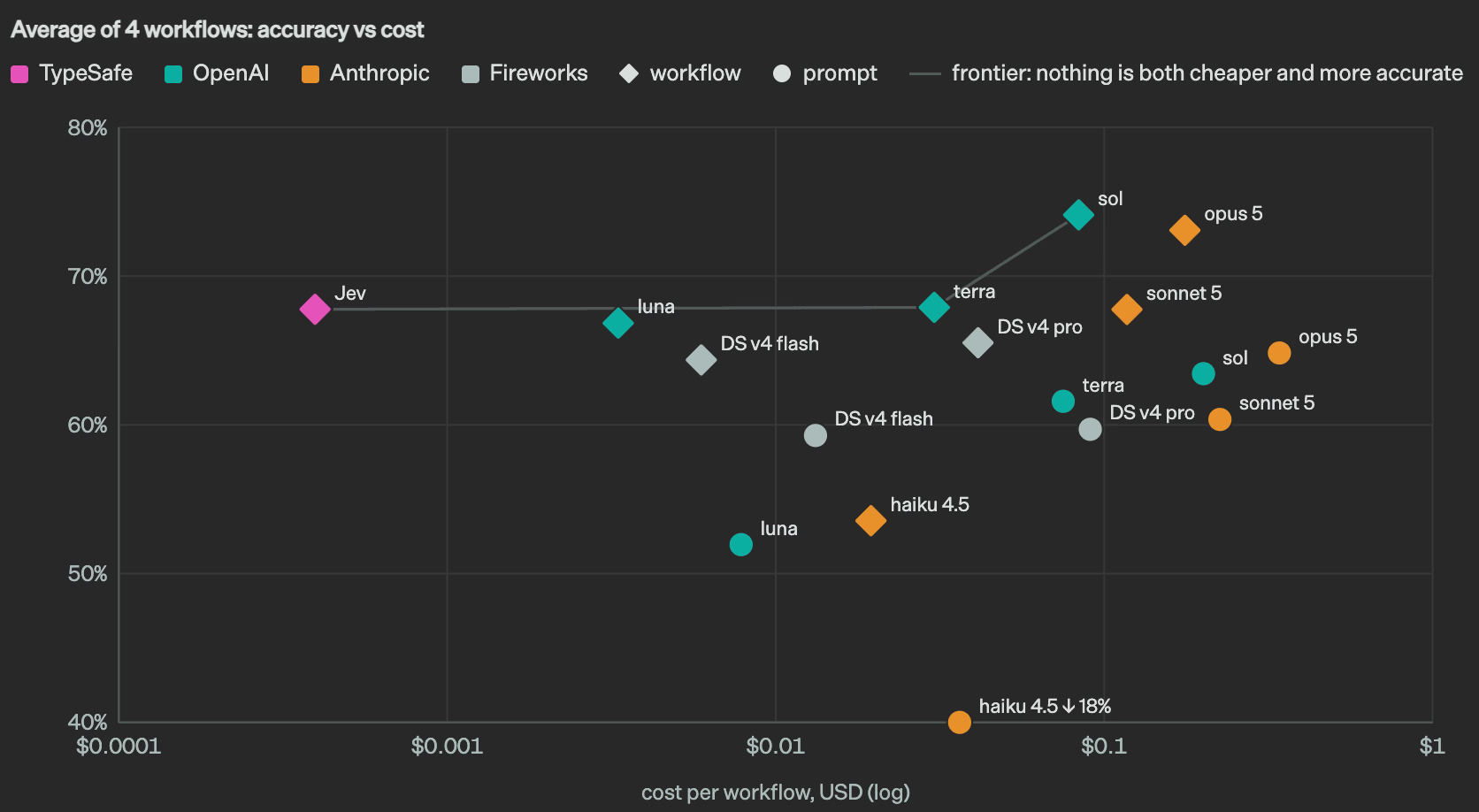
TypeSafe AI introduced Jev, a classification-only model that scores developer-defined options instead of gener…