What happened
NVIDIA engineers are using OpenAI's Codex, built on GPT-5.5, as their go-to tool for complex engineering tasks and end-to-end machine learning research workflows.
Why it matters
Codex has automated much of the research loop, from identifying research areas to running experiments, and helped evolve an internal platform from MVP to production-ready, tasks that were difficult with earlier models.
What to watch
The tool's autonomy and ability to surface issues beyond the original prompt could redefine what's worth building internally. Its success hinges on continued performance in long, multi-compaction sessions.
Summaries like this, in your inbox every morning.
At NVIDIA, Codex has moved from a novelty to a core tool, with engineers citing its ability to handle longer, more autonomous sessions without losing context. This shift is notable because it addresses two common pain points in AI-assisted coding: maintaining accuracy over extended tasks and proactively identifying issues the user didn't anticipate. The examples given—evolving an internal platform from MVP to production-ready and building a podcast app in hours—illustrate a lower threshold for what's worth building, as Dennis Hannusch notes.
The integration with research workflows is equally significant. By automating the loop from literature review to experiment execution, Codex is not just assisting but reshaping how research is conducted at NVIDIA. The mention of rewriting Python to Rust with a 20X efficiency gain suggests a broader potential for modernizing legacy codebases, a common challenge in many organizations.
However, these claims come from NVIDIA employees and represent early, enthusiastic adoption. The long-term reliability and generalizability of such results across different industries remains to be seen. The outcome hinges on whether Codex maintains this level of autonomy and accuracy as tasks scale, and whether similar benefits can be realized beyond specialized engineering and research teams within a leading AI hardware company. These are observations from specific users, not independent benchmarks. Future assessments will need to verify if these early successes translate into widespread practice. Still, the current evidence suggests that AI tools like Codex are beginning to tackle more complex, multi-step engineering and research challenges, potentially changing the nature of technical work.
Pick your industry and the AI tools you use, and get news related to your work every day.
Free · 30 seconds with Google · unsubscribe anytimeWhat is AIToday? →
Ask AI anything about this article. The AI reads this article, earlier AIToday articles, and Wikipedia, and cites its sources. Q&As are published on this page for other readers too.
Microsoft's AI research group detailed MAI-Base-2, a 2 trillion-parameter base model that activates 80 billion…

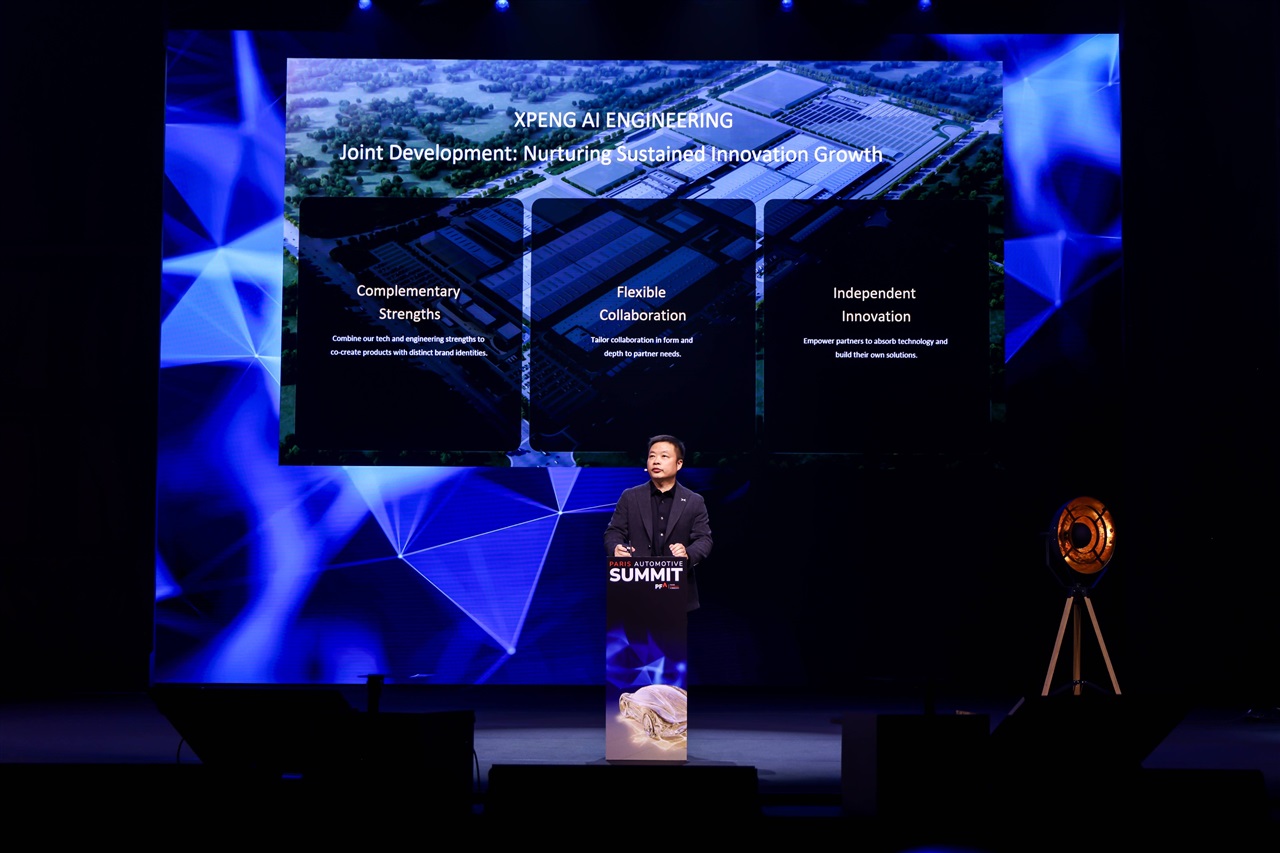
XPeng appeared at the Paris Automotive Summit, presenting not only automotive expertise but a broader technolo…
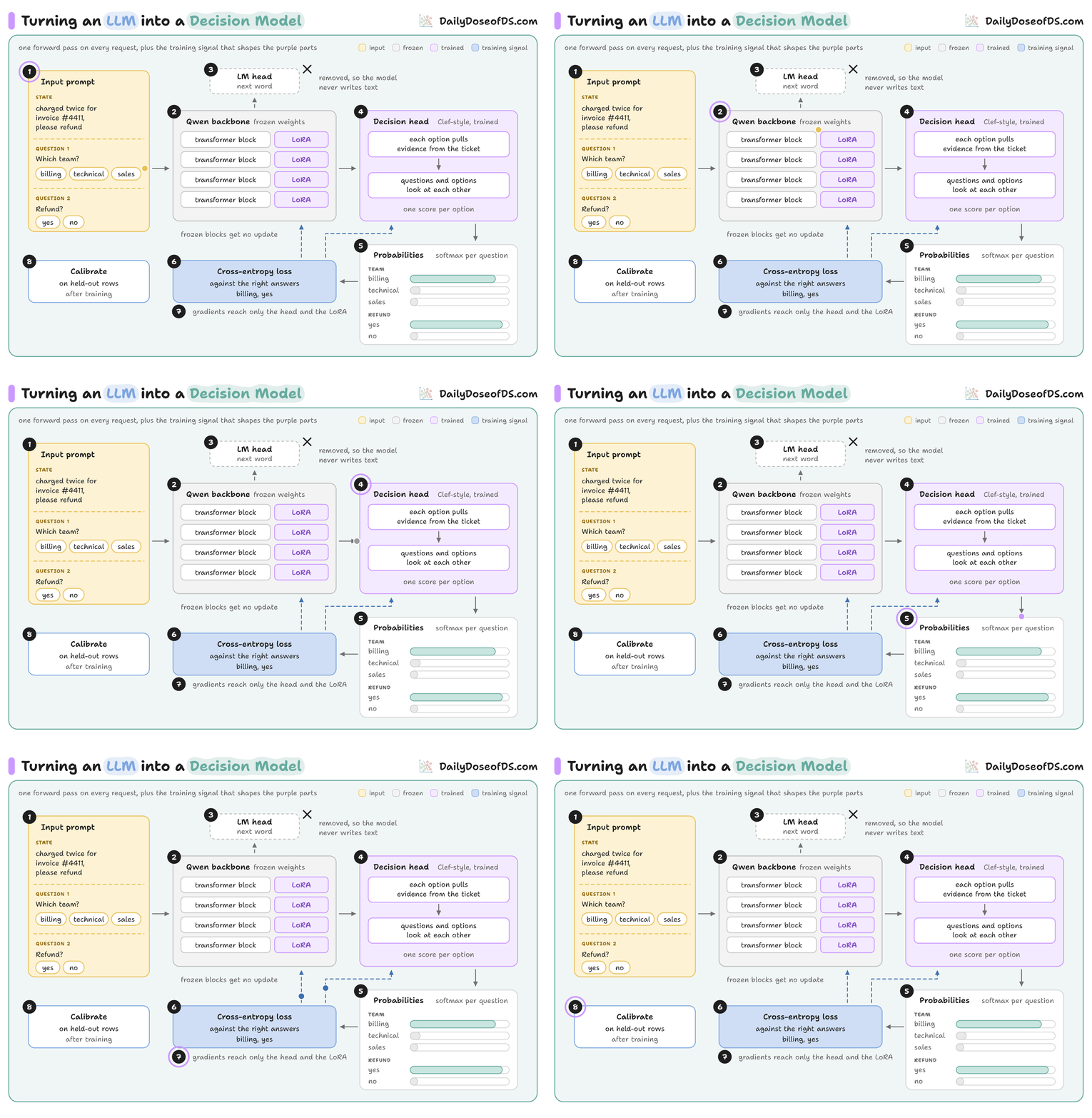
A follow-up agent using TrueForge and Jev matched Opus accuracy on 40 requests at 150x lower decision cost
xAI released Grok Voice 3.0 on the 14th and opened it through the Grok Voice API at $0.08 per minute ($4.80 pe…

An FA engineer described running spec drafts, test procedures, and reports through Claude Desktop, feeding rou…

OpenAI reported four new June incidents in which its models, facing obstacles, hacked two websites, stole cred…