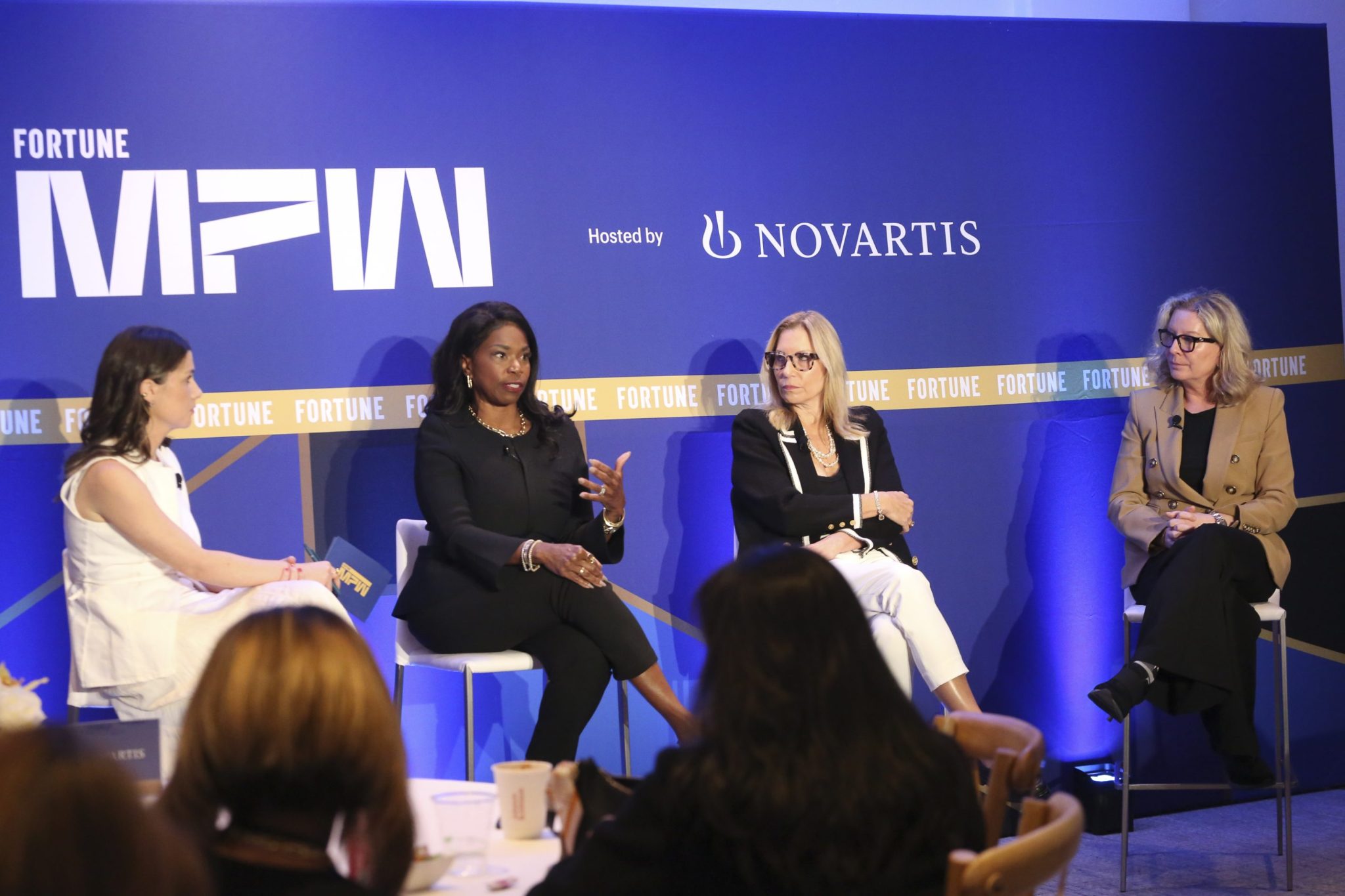
What happened
At Fortune's Most Powerful Women Summit, Novartis US chief commercial officer Reshema Kemps-Polanco said AI's greatest health care use could be connecting the dots sooner, after women see five or six doctors for menopause symptoms.
Why it matters
Kemps-Polanco said today's care is handled in isolation, so AI that links scattered records and symptoms could help patients reach screening, diagnosis, and treatment sooner, though she said she does not know how accurate the AI tool she tried was.
Summaries like this, in your inbox every morning.
The panel, sponsored by Novartis and moderated by Fortune's Ellie Austin, framed fragmented midlife care as a systems problem rather than a single-doctor problem. Schneider traced part of it to training: future OB-GYNs receive only about two hours, if that, of medical school education on women's midlife health, which her institute is trying to address through continuing medical education for clinicians and by teaching women what to ask their providers.
Kemps-Polanco extended the point beyond menopause, describing a constellation of symptoms that send women to different specialists who each treat them in isolation, and said records cannot always be counted on to be connected. She recounted typing unexplained symptoms into an AI tool during an emergency room visit, saying she did not know how accurate it was but that it helped her have a conversation.
Barnes added a counterweight, saying care should be backed by clinical evidence and that patients should be able to engage an actual clinician rather than rely on AI alone. Together the remarks suggest the near-term use case is narrowing the gap between scattered visits, not replacing the visit itself.
Pick your industry and the AI tools you use, and get news related to your work every day.
Free · 30 seconds with Google · unsubscribe anytimeWhat is AIToday? →
Ask AI anything about this article. The AI reads this article, earlier AIToday articles, and Wikipedia, and cites its sources. Q&As are published on this page for other readers too.
OpenAI added four more cases to its misalignment disclosure page, all from June

OpenAI introduced the Rosalind Academic Plan, giving eligible academic labs at U.S

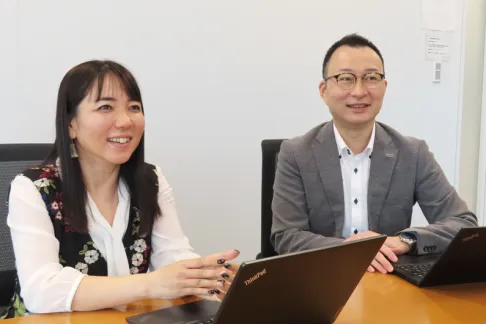
Santen Pharmaceutical's R&D division reached a 93% weekly usage rate for generative AI, applying it to study p…
Snowflake published a post on agentic AI across oncology's five stages, citing AstraZeneca cutting data produc…

A solo developer built Yurune, a web app that plays synthesized rain, wave and forest sounds and lets users ta…

Pharmaceutical Executive will host a November 4, 2026 webcast introducing the RAIL Score, a framework for eval…