
What happened
Snowflake published a post on agentic AI across oncology's five stages, citing AstraZeneca cutting data product development from six months with 16 engineers to four days with two, and Zelis Healthcare running over 20 production agents.
Why it matters
The examples suggest research and health-system data teams may compress build times and shift trial and evidence work, though the post frames these as reported results rather than clinical outcomes.
Summaries like this, in your inbox every morning.
The post frames oncology's five stages — discovery, screening, diagnosis, treatment, and survivorship — as sharing one root cause: no unified data foundation that can reason across them. It uses that framing to argue that agentic AI, defined as systems that plan and execute across multiple steps, is beginning to address bottlenecks like siloed genomic data and manually assembled tumor board briefs.
The reported numbers are the substance. AstraZeneca's shift from six months and 16 engineers to four days and two, and Zelis's move from a migrated data foundation to over 20 production agents built in a day, are presented as evidence that the pattern is moving from experiment toward measurable impact. The post also cites a JAMA Network Open study's figure of over $50 billion to $60 billion spent annually on failed oncology trials, and a large U.S. screening study finding 21.6% more breast cancers identified with an AI-supported workflow.
The post is candid that agentic capabilities on regulated data need governance built in from the start, and it closes by pointing to a separate piece on the National Cancer Institute's enterprise data platform modernization.
Pick your industry and the AI tools you use, and get news related to your work every day.
Free · 30 seconds with Google · unsubscribe anytimeWhat is AIToday? →
Ask AI anything about this article. The AI reads this article, earlier AIToday articles, and Wikipedia, and cites its sources. Q&As are published on this page for other readers too.
Apple is moving Siri AI into a behind-the-scenes role that sidelines e-commerce apps, and retailers are rushin…

Anthropic gave six METR researchers employee-level access—company laptops, office space, and internal tools—to…
IBM outbound CTO Tyler Lynch said teams should start from customer outcomes, not roles
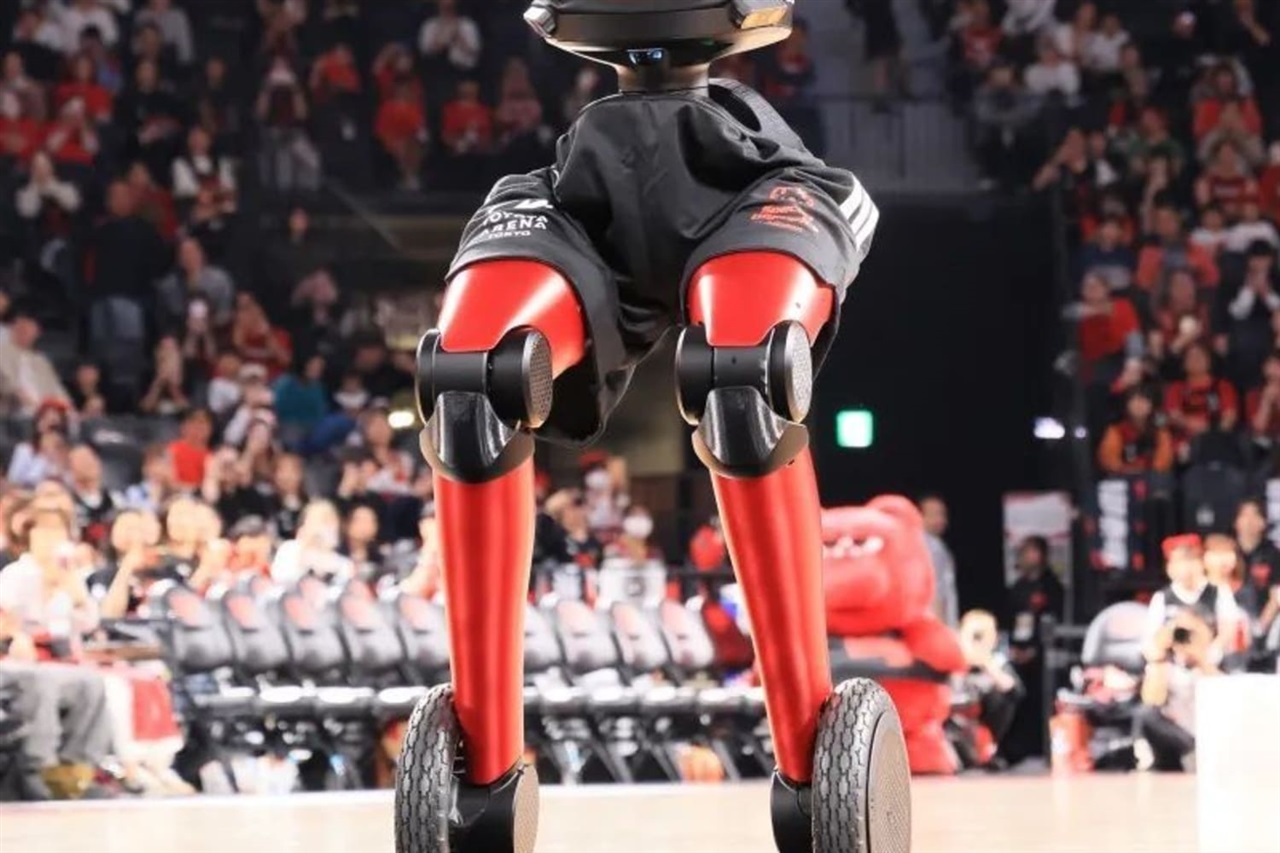
Japan Mobility Show Bizweek 2026 showcased Physical AI applications, including Toyota's basketball-playing rob…
Meta released Muse Spark Open, an open-weight model with 816 billion parameters (42 billion active), up to one…

Nvidia released Nemotron 3.5 Super VL, an open multimodal model with 120 billion parameters for enterprise age…