What happened
Between April 22 and June 5, operators affiliated with Alibaba and Alibaba Qwen generated more than 28.8 million exchanges with Claude through almost 25,000 fraudulent accounts, violating Claude's terms of service. The campaign targeted capabilities such as agentic reasoning, software engineering, and long-horizon tasks, using obfuscation techniques and proxy networks to evade detection.
Why it matters
Alibaba's alleged attack comes weeks after Donald Trump warned that cloning US frontier AI models was unacceptable and a threat to national security. Anthropic argues that these distillation campaigns turn billions of dollars in American investment into a subsidy for geopolitical competitors and could accelerate China's access to advanced AI capabilities without the training costs.
What to watch
Anthropic has recommended three policy steps to Congress: updating antitrust laws to allow AI firms to share information about Chinese tactics, increasing export controls on advanced chips, and passing laws penalizing Chinese labs' reliance on distillation attacks. The company warns that without intervention, these attacks could help China reach Mythos Preview-level capabilities sooner.
Summaries like this, in your inbox every morning.
Pick your industry and the AI tools you use, and get news related to your work every day.
Free · 30 seconds with Google · unsubscribe anytimeWhat is AIToday? →
Ask AI anything about this article. The AI reads this article, earlier AIToday articles, and Wikipedia, and cites its sources. Q&As are published on this page for other readers too.
Danaher announced a collaboration with NVIDIA combining its instruments, automation and workflow software with…
OpenAI presented a 166-page potential Navier-Stokes proof in early September, saying it followed the approach…
Researchers gave models 1,600 synthetic work logs, each with a hidden flaw
A simulation of Crescendo, the multi-turn jailbreak by Russinovich, Salem and Eldan published at USENIX Securi…

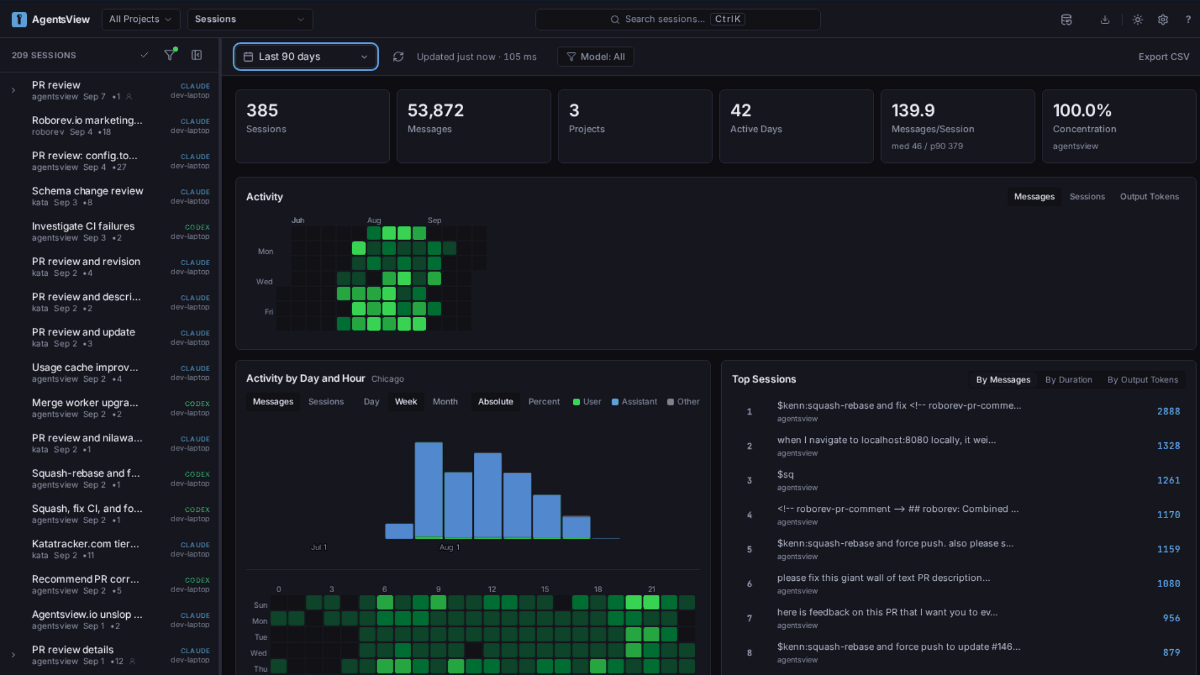
AgentsView automatically detects the local logs of Claude Code, Codex, Cursor, Copilot, Gemini and 60-plus oth…
Genomic foundation models like Evo 2, Genos and Google DeepMind's AlphaGenome learn correlations from DNA sequ…