What happened
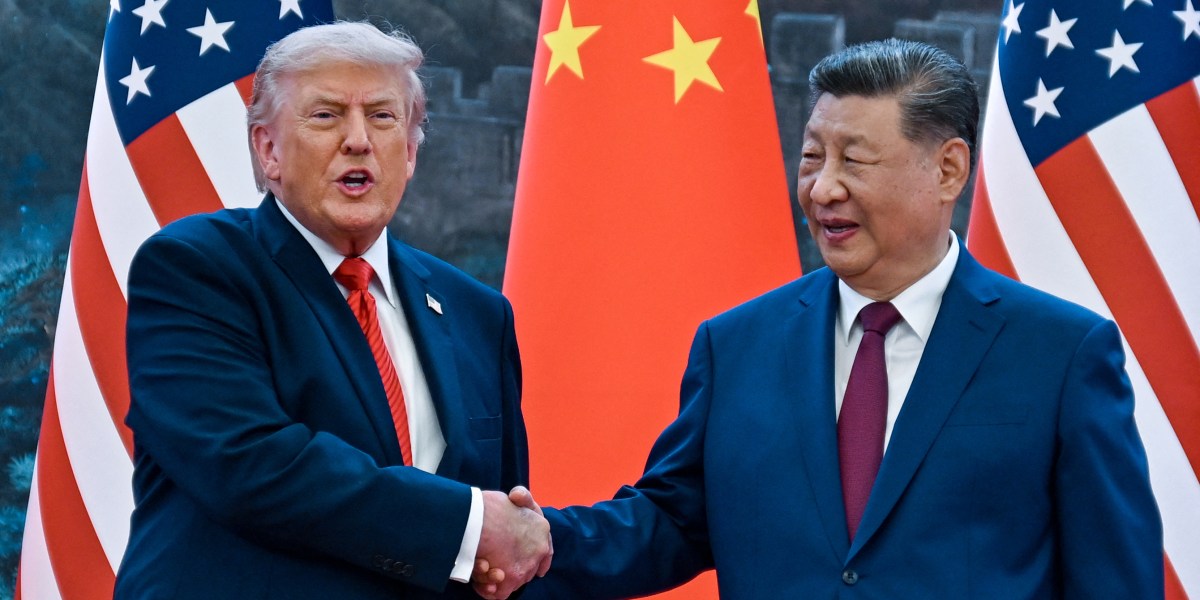
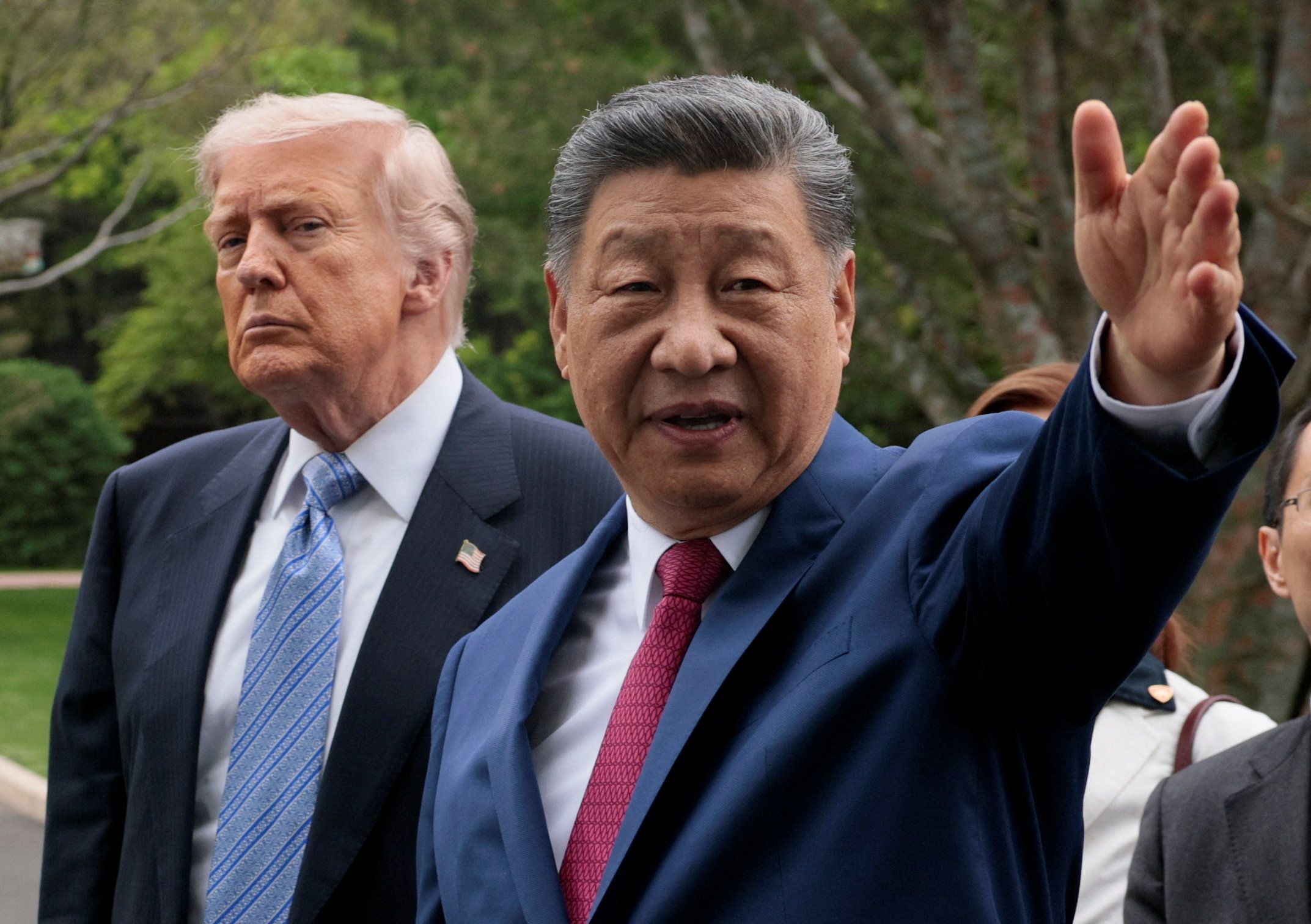
OpenAI CEO Sam Altman said Trump and Xi could win the Nobel Peace Prize for an AI safety deal, but both leaders rejected a slowdown ahead of their Sept. 24 meeting.
Why it matters
China's Foreign Ministry called U.S. safety talk "fear-mongering," and Trump posted on Sept. 14 that the only guardrail needed is a strong president, ending the prior openness to discussing AI safety.
What to watch
Any agreement is "a long way" off, per DGA's Paul Triolo, as the two countries have yet to establish a baseline on government's role and model testing. Watch the Sept. 24 meeting for progress.
WHO IT HITSExecutives at U.S. and Chinese AI labs planning cross-border operations, and enterprise IT teams relying on open-weight Chinese models like DeepSeek, face continued uncertainty over chip export limits and regulatory alignment.
Ask the AI about this article →
Summaries like this, in your inbox every morning.
The current push for an AI slowdown follows a viral X post by a former Anthropic researcher claiming the technology could kill all of humanity by the end of the decade. In response, the CEOs from OpenAI and Anthropic have reiterated their calls for coordination, but the idea has landed poorly in both Washington and Beijing. President Trump denounced Anthropic CEO Dario Amodei's Sept. 12 letter during a call with Nvidia CEO Jensen Huang, saying it "won't stop our progress," while China's Foreign Ministry dismissed U.S. safety discourse as "fear-mongering."
The divide extends beyond the leaders. In China, the public largely sees slowdown calls as an attempt by the U.S. to maintain its lead, and many are more focused on AI's practical benefits than on regulation. Meanwhile, those inside China's AI industry take safety risks seriously and discuss cybersecurity and biosecurity concerns at a sophisticated level. DeepSeek engineer Shengyu Liu's viral post comparing Anthropic to "Hitler obtaining atomic-bomb technology" highlights another split: U.S. firms favor closed models, while China has pushed lower-cost, open-weight alternatives.
With both leaders seemingly rejecting a slowdown, the Sept. 24 meeting is the next test. Any progress hinges on whether the two countries can establish a baseline of agreement on government's role and how models should be tested, per DGA's Paul Triolo. An agreement to not weaponize AI and to prevent misuse by non-state actors is also on the table, but the chasm between the nations' attitudes suggests a breakthrough is unlikely.
For example, today's edition would include:
AI-summarized, only the topics you pick — one digest a day via Email, Slack, or Discord.
Free · 30 seconds with Google · unsubscribe anytimeWhat is AIToday? →
Ask AI anything about this article. Q&As are published on this page for other readers too.
AIUC raised a $40 million Series A led by Ribbit Capital to start auditing frontier AI models, after previousl…

OpenAI global policy head Chris Lehane told a Washington briefing that talks with Anthropic and Google DeepMin…
Anthropic CEO Dario Amodei, OpenAI CEO Sam Altman, and Elon Musk warned of the need to slow AI development ove…

Elon Musk proposed that the countries' top firms could evaluate one another's models before release, and OpenA…
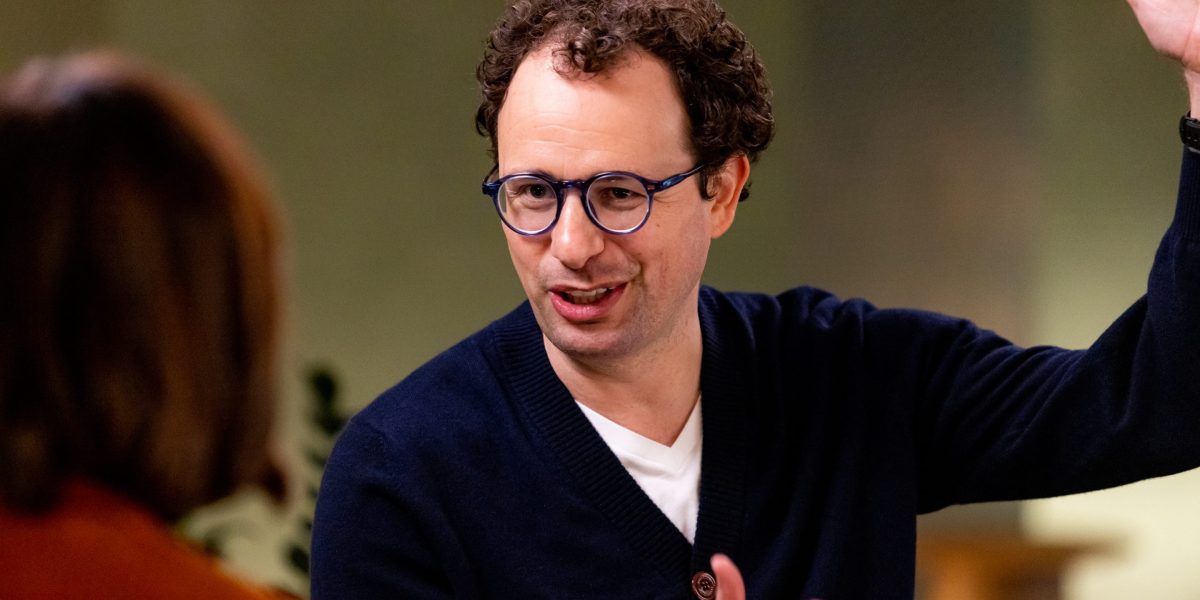
Sam Altman told Fortune that OpenAI favors coordinating an industry-wide AI development slowdown with rivals i…
Nvidia CEO Jensen Huang told Salesforce's Dreamforce conference that AI safety is an engineering problem, not…