
What happened
GitHub released Stacked pull requests in public preview on July 30, 2026 and made them generally available on October 6, letting teams split big changes into ordered, small PRs across github.com, GitHub CLI, the mobile app and Copilot via gh-stack.
Why it matters
AI agents now run long observe-plan-execute-evaluate loops that generate huge diffs, and GitHub reports more merged code and better time-to-merge in repos that used stacks during preview, suggesting small batches protect reviewers' attention.
Summaries like this, in your inbox every morning.
The case for stacking small pull requests is not new — external tools such as Graphite and Sapling have offered stacked workflows for years. What changed is that AI coding agents, which run long loops of observing, planning, executing and evaluating, now produce large volumes of code changes at once, and a single giant diff forces reviewers to hold too much context in their heads. GitHub folding stacked PRs into the platform as a standard feature reads as an industry answer to that mismatch between how much code AI generates and how much a human can review at one time.
Google Cloud's DORA research program's 2025 "State of AI-assisted Software Development" report describes AI as an amplifier that magnifies an organization's strengths and weaknesses alike. DORA found AI adoption helps delivery throughput and product performance but remains linked to delivery instability, and interprets this as downstream weaknesses surfacing as AI speeds development up. Absent strong automated tests, mature version control and fast feedback loops, rising change volume tends to destabilize delivery.
Developer experience is a precondition for getting value from AI rather than a perk: fast CI, written-down implicit knowledge, and small review units are long-standing software engineering practices that now double as the conditions AI agents need to work well. GitHub's stacked-PR feature is one concrete piece of that groundwork.
Pick your industry and the AI tools you use, and get news related to your work every day.
Free · 30 seconds with Google · unsubscribe anytimeWhat is AIToday? →
Ask AI anything about this article. The AI reads this article, earlier AIToday articles, and Wikipedia, and cites its sources. Q&As are published on this page for other readers too.
Imago Platform's first client, a lighting and electrical business, ingested a large collection of PDFs, but it…
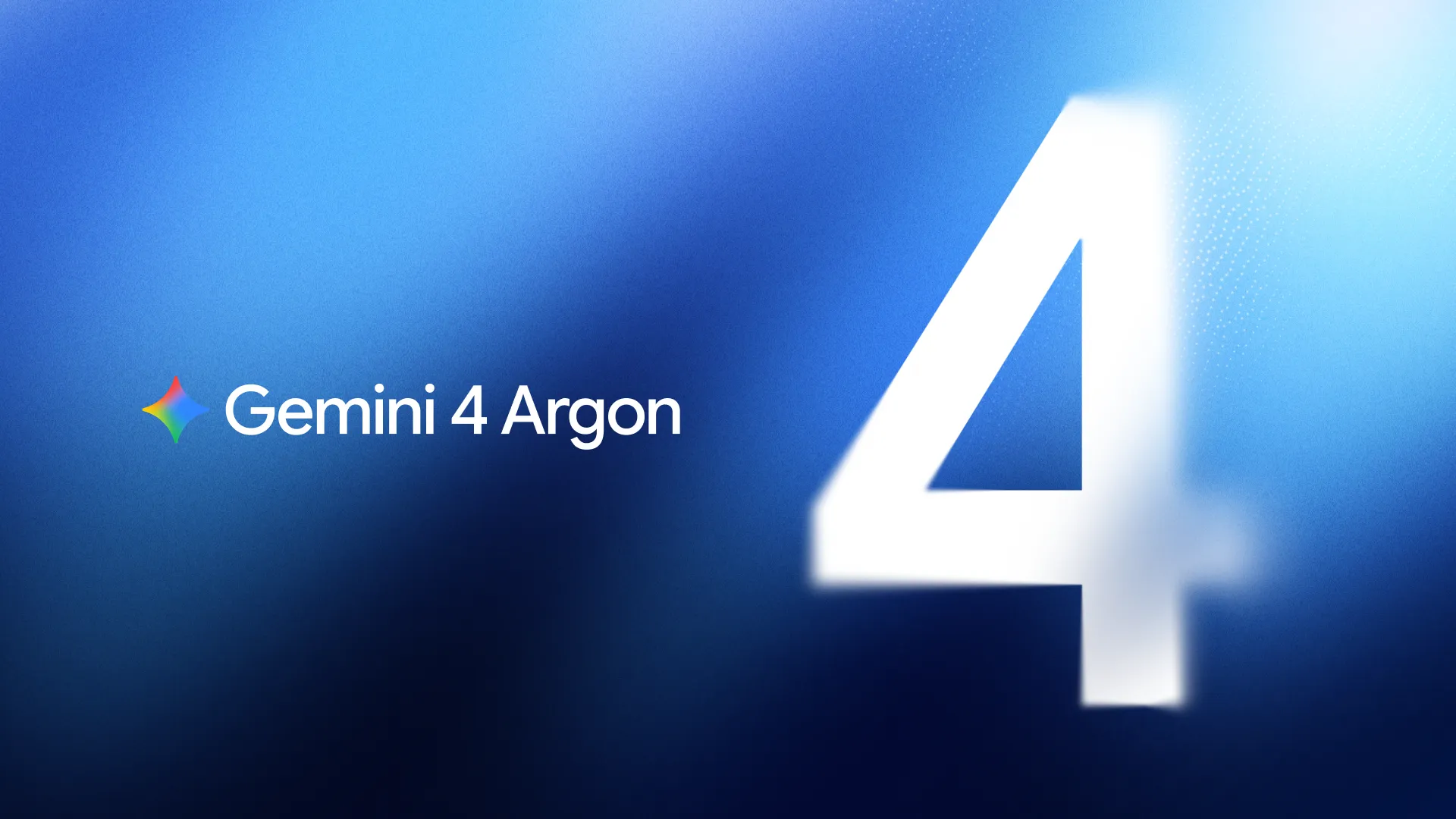
Google brought Gemini 4 Argon to Gemini app Pro and Ultra subscribers, two weeks after it went first to vetted…
GreenCore Solutions Corp

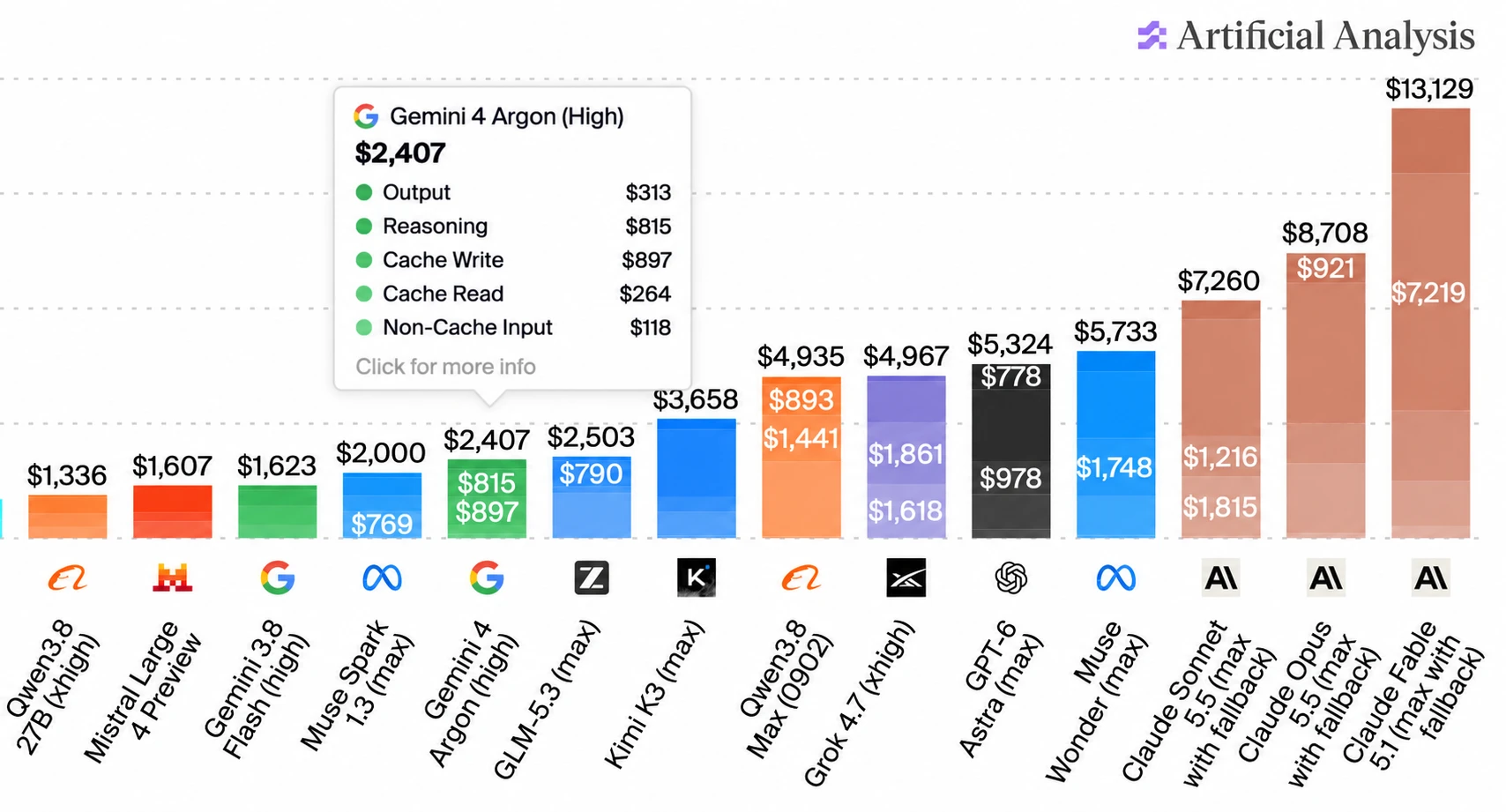
Simon Willison added Gemini 4 Argon support to llm-gemini, his Gemini API tool
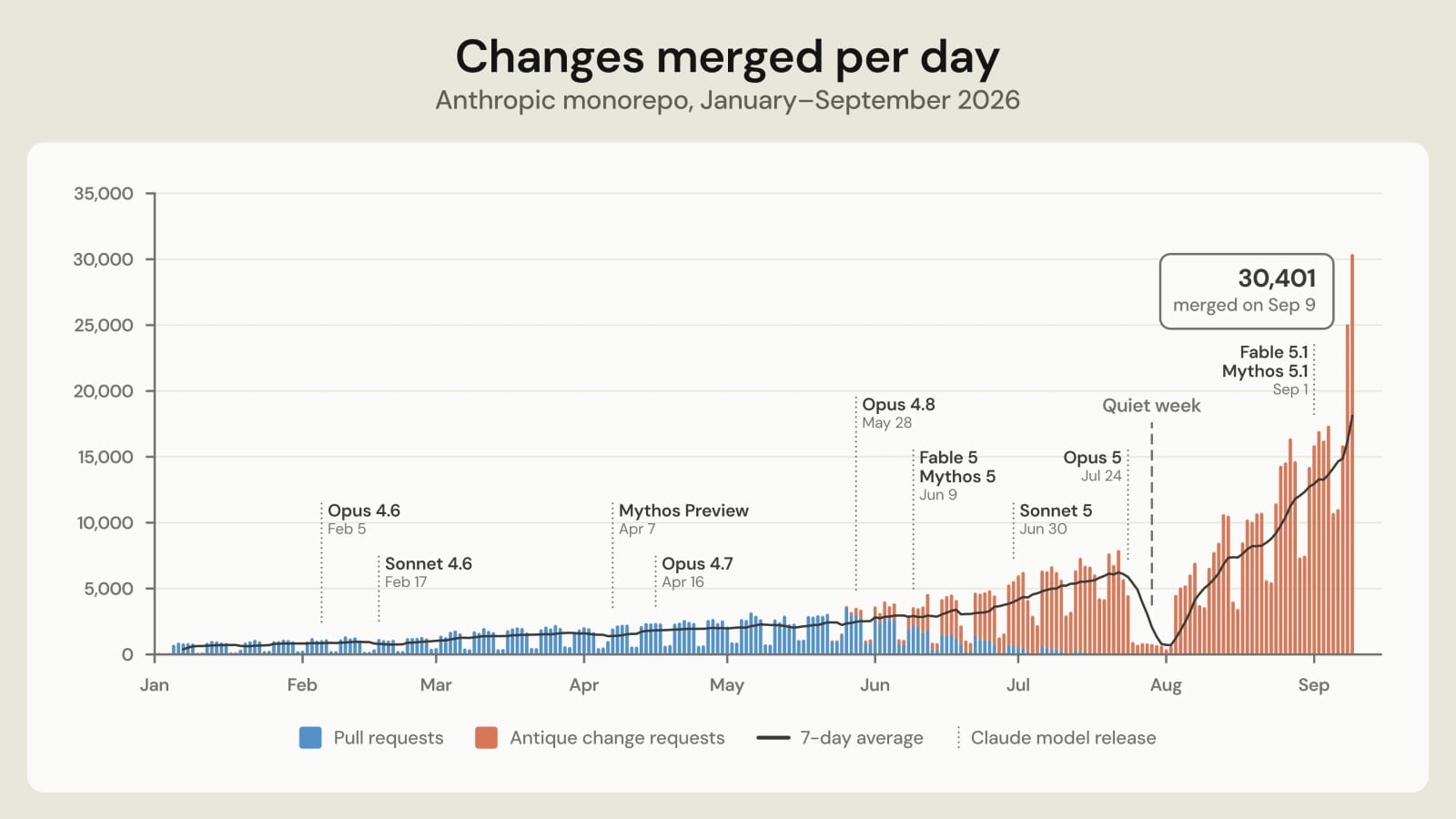
Anthropic built Scion, its own source control system to replace Git, completed the migration in five months wi…
A team leader says AI-driven development has not reduced his workload

