What happened
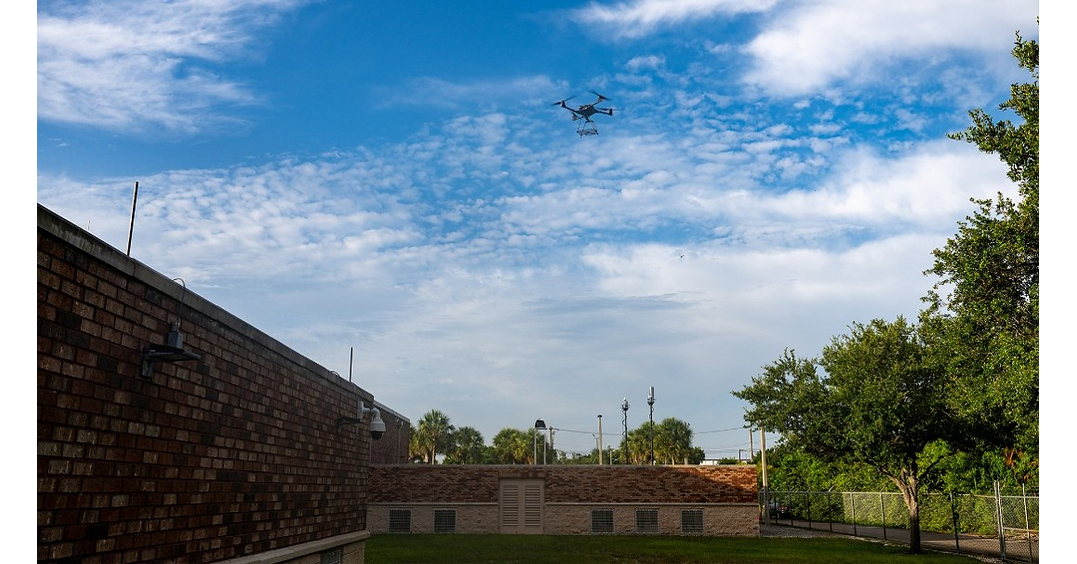
Lockheed Martin, Verizon, NVIDIA, Keysight, ODC, and Astris AI demonstrated the NetSense™ system in the Miami area in July, combining 5G networks, commercial off-the-shelf technology, and AI to detect and track unmanned aircraft systems (UAS) in real time.
Why it matters
The system uses existing 5G infrastructure rather than requiring new hardware, making drone detection faster and cheaper to deploy across critical infrastructure like airports, power plants, hospitals, and stadiums. Government customers gain proactive monitoring and alerts without recapitalizing cellular networks ahead of the 6G timeline.
What to watch
Pilot deployments are planned for the second half of 2026 and early 2027, with commercial general availability planned for 2027. The NetSense system will be delivered as a subscription service; interested organizations can request a briefing through Astris AI at https://astrisai.com/request-a-briefing.
Summaries like this, in your inbox every morning.
The NetSense demonstration represents a shift in how the defense and infrastructure sectors approach drone detection. Rather than building purpose-built systems from scratch, Lockheed Martin and its partners are repurposing existing commercial infrastructure—specifically Verizon's 5G networks—to create an intelligent sensing platform. This approach addresses a genuine operational gap: as drones become more affordable and widely available, the need for persistent airspace monitoring has grown, but traditional custom solutions are expensive and slow to deploy.
The use of commercial off-the-shelf components and open architecture is central to the value proposition. By relying on existing 5G deployments and NVIDIA's AI software, the system avoids the need for new cellular hardware investment while remaining compatible with future 6G Integrated Sensing and Communication standards. This means early adopters benefit immediately, and the solution will not become obsolete when 6G arrives. The subscription delivery model, along with the planned pilot deployments in the second half of 2026, signals confidence that the technology is mature enough for real-world deployment at critical sites like airports, power plants, and stadiums.
Pick your industry and the AI tools you use, and get news related to your work every day.
Free · 30 seconds with Google · unsubscribe anytimeWhat is AIToday? →
Ask AI anything about this article. The AI reads this article, earlier AIToday articles, and Wikipedia, and cites its sources. Q&As are published on this page for other readers too.
Hewlett Packard Enterprise stock is down 5% at $55.87

The Motley Fool argues Amazon is the AI company of the two, since AWS was just 21% of first-half 2026 revenue…

Vercel data published Thursday shows TypeSafe AI's Jev, a lightweight decision model for choosing among predet…

Chunghwa Telecom president Rong-shy Lin said the shift from conversational AI to autonomous AI agents is resha…
CoreWeave fell 5% in premarket trading Friday and was on track to finish the week down 15%, after rebounding f…
Apple and Meta said they would jointly release a new open-weight AI model designed to run on high-end Macs, ai…