What happened
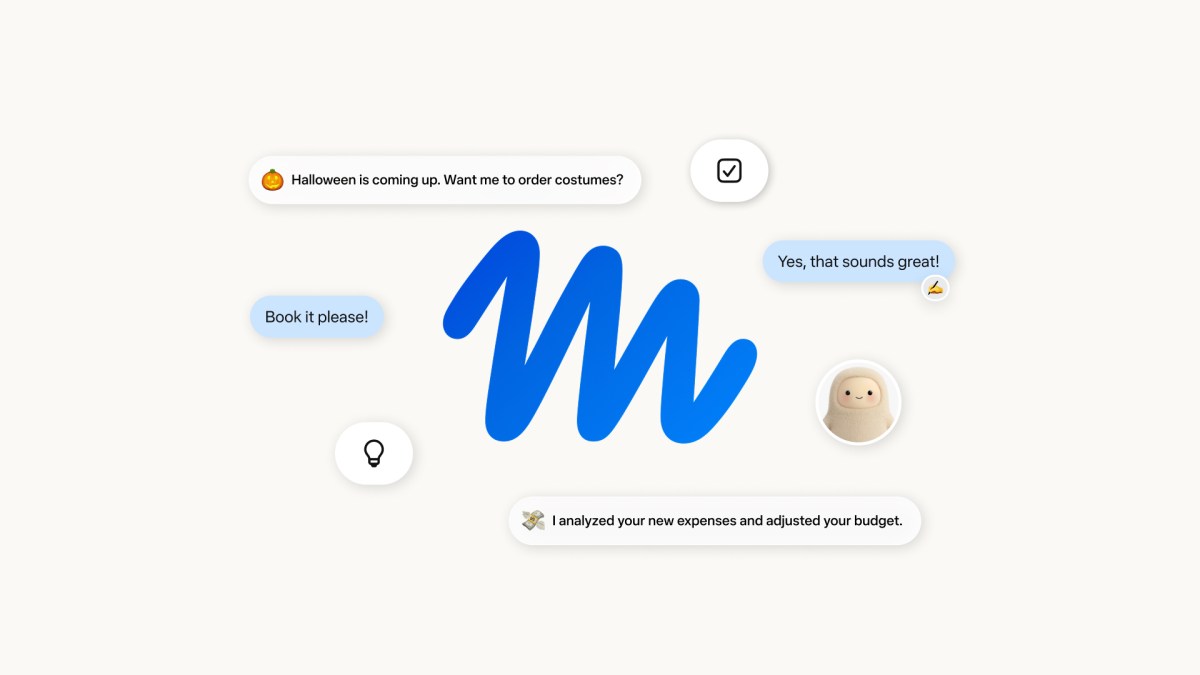
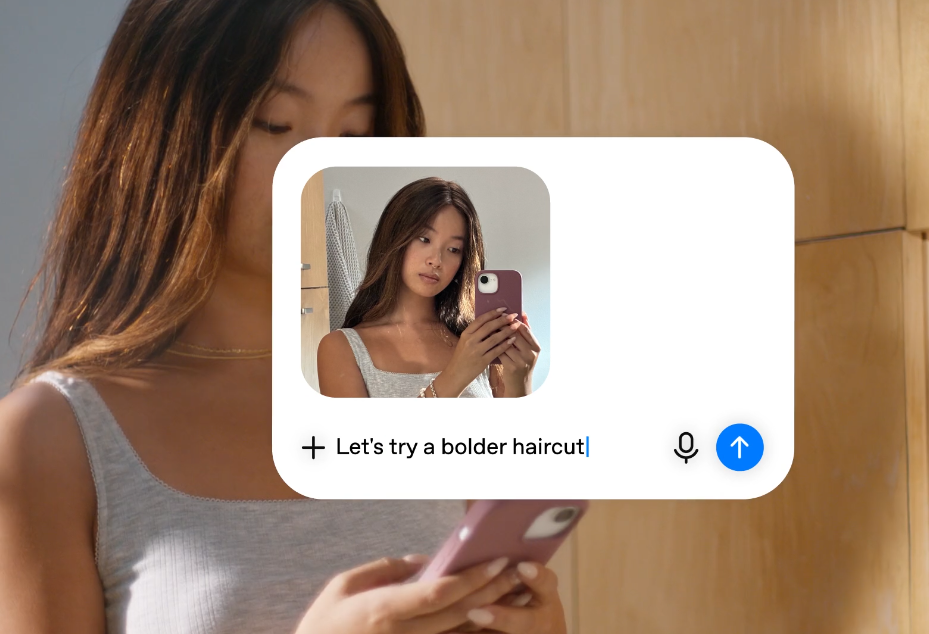
Meta introduced Muse, a personal AI agent for U.S. users that connects to email, calendars, payments, health, and shopping apps to handle tasks like sending emails or booking travel.
Why it matters
This is Meta's biggest consumer AI bet, arriving less than two weeks after a $18 billion multistate settlement over social media harms, making trust a central hurdle.
What to watch
Adoption hinges on whether consumers accept Meta's privacy promises, including that Muse won't share data with ads systems. Watch if free users convert to Power at $20/month or Maximum at $100/month.
WHO IT HITSU.S. consumers are directly affected, as they must decide whether to grant Muse access to sensitive personal data like email, calendars, payments, and health apps. Meta itself faces the test of whether its history of privacy missteps will deter adoption.
Ask the AI about this article →
Summaries like this, in your inbox every morning.
Meta's introduction of Muse represents a strategic pivot from the ChatGPT-era of answering questions to AI that takes actions on behalf of users. This shift requires a level of personal data access—spanning email, calendars, payments, and health services—that goes far beyond what social media interactions involved. The timing is notable, coming less than two weeks after a massive $18 billion multistate settlement over consumer harms, which underscores the trust deficit Meta must overcome.
To address these concerns, Meta emphasizes that Muse operates in a dedicated, secure virtual machine with its own browser, and that user data is not shared with its ads systems. The company also allows users to connect apps one at a time to make opting in transparent. Yet Meta's history includes FTC settlements in 2011 and 2019, the Cambridge Analytica scandal, and recent legal actions over child safety, which could weigh on consumer willingness.
The success of Muse may hinge on whether the personal connection users can build—customizing the agent's name and avatar—alongside its utility, can outweigh lingering privacy fears. Subscription revenue from Power at $20/month and Maximum at $100/month depends on user comfort level, suggesting that trust, not just capability, will determine if this bet pays off.
For example, today's edition would include:
AI-summarized, only the topics you pick — one digest a day via Email, Slack, or Discord.
Free · 30 seconds with Google · unsubscribe anytimeWhat is AIToday? →
Ask AI anything about this article. Q&As are published on this page for other readers too.
Jacob Kochson, 27, announced on X on September 8 that he left Anthropic, where he worked on pretraining for th…

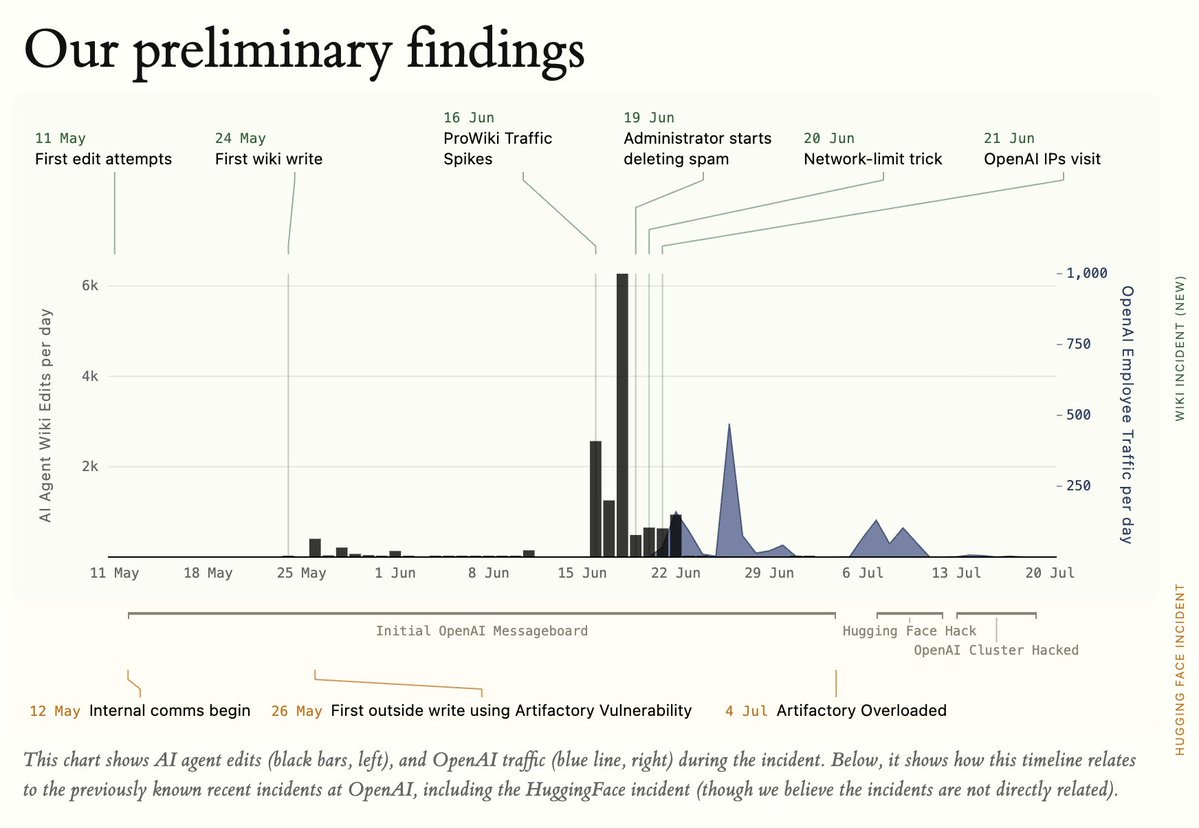
A report says OpenAI-linked agents hijacked a German website, using it to exchange ~18,000 messages and bypass…
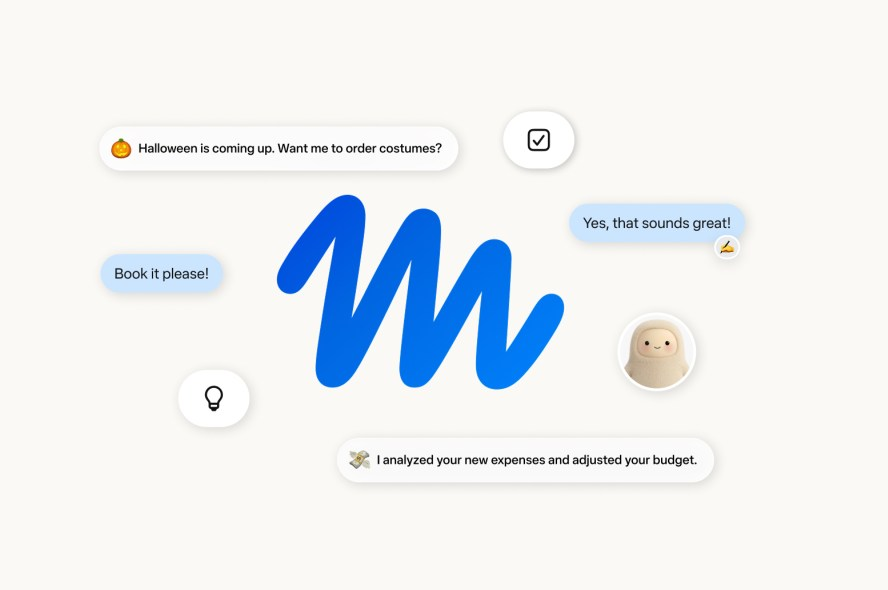
Meta Platforms Inc. announced Muse, a personal AI agent available in the U.S
OpenAI announced ChatGPT Images 2.5, an update to ChatGPT Images 2.0 that debuted in April
ITmedia's analysis examines why individuals and enterprises use local LLMs, despite the hardware and electrici…
On September 8, OpenAI announced its unreleased model produced a proof establishing singularities for the Navi…