Nathan Lambert published an essay arguing AI progress will accelerate through engineering and infrastructure gains. He says models will become "superhuman distributed GPU engineers in a few years" and predicts pretraining research in architecture and data selection could be automated in 2-3 years.
Summaries like this, in your inbox every morning.
The balance between research and engineering in AI has shifted before. Before deep learning took off, AI was a research endeavor, but today's best researchers are judged by their ability to implement and scale ideas in complex infrastructure. Lambert argues the field is entering a new transition where engineering bottlenecks ease, making good ideas more valuable than good execution. One piece of evidence he points to is the RL environment data market, where new companies have crossed $100M or $1B in revenue despite outputs that many researchers describe as low-quality. Meta's Muse agent is an early indicator of agent-focused experiences, and Lambert expects more Muse-like products for different audiences. Even if models become superhuman at crawling literature and making connections across sparse networks, Lambert suggests there is a fine line between heralding a new era of scientific discovery — such as cures for most cancers — and simply accelerating the arc science was already on.
Pick your industry and the AI tools you use, and get news related to your work every day.
Free · 30 seconds with Google · unsubscribe anytimeWhat is AIToday? →
Ask AI anything about this article. The AI reads this article, earlier AIToday articles, and Wikipedia, and cites its sources. Q&As are published on this page for other readers too.
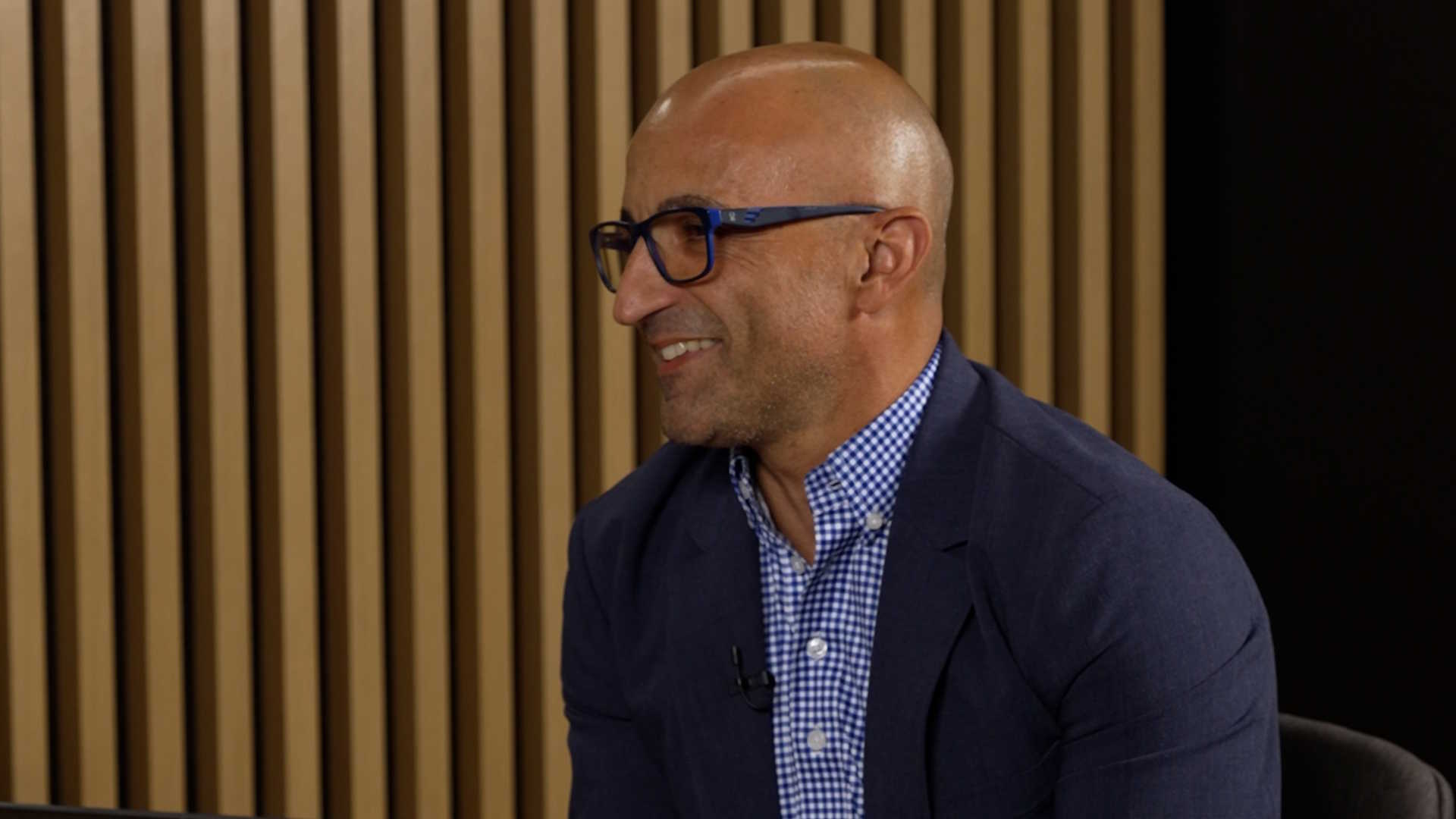
IBM's Bruno Aziza said the number of AI agents employees build will outpace what companies can manage, so firm…
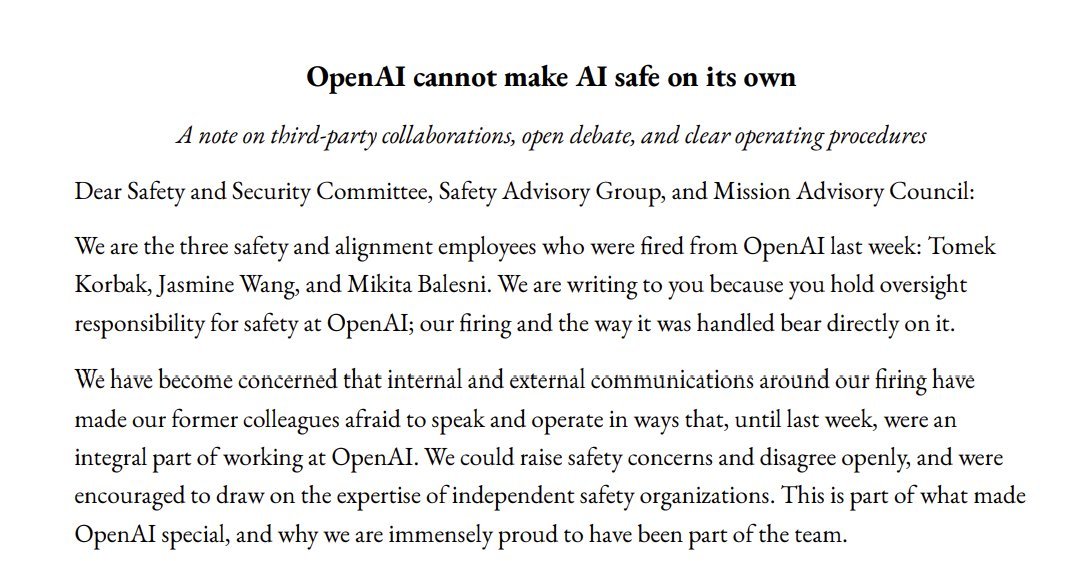
Mikita Balesni, Jasmine Wang, and Tomek Korbak said on October 8 they were fired the previous week and that no…
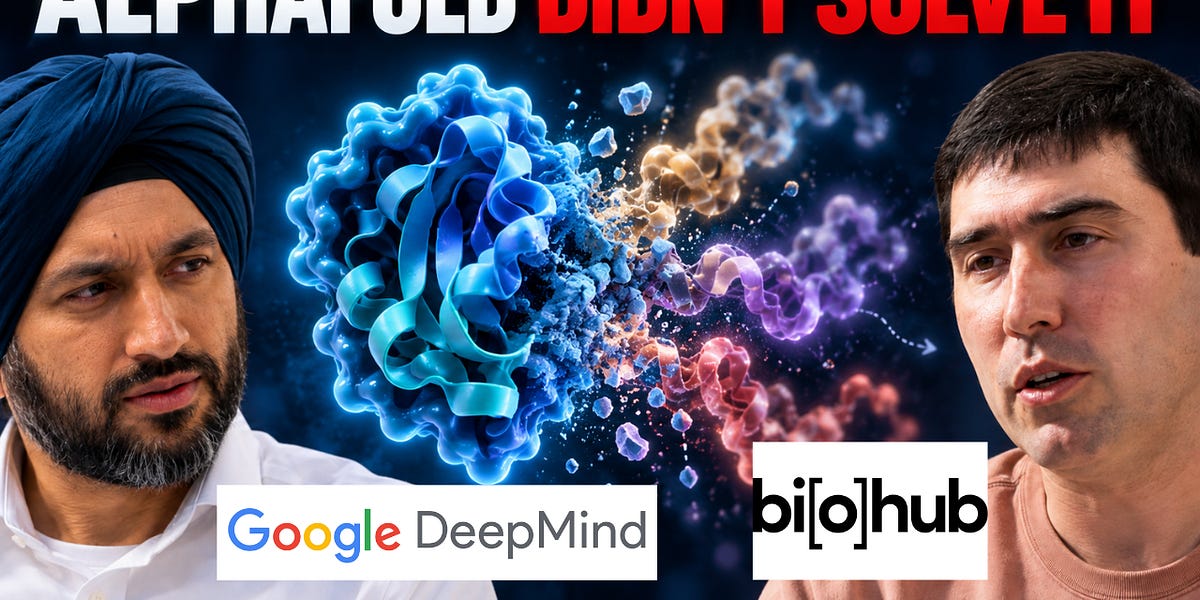
Google DeepMind's Pushmeet Kohli said AlphaFold did not solve protein folding, because proteins are disordered…
ALPHA FORGE's new sandbox.py calls the same inference orchestrator as the daily batch but never calls the ledg…

Writing on Zenn, Taichi Endoh — a clinical engineer and AI engineer — says the first step in a leak is to defi…

The guide walks through creating a TypeScript MCP server with @modelcontextprotocol/sdk, registering a single…

