What happened
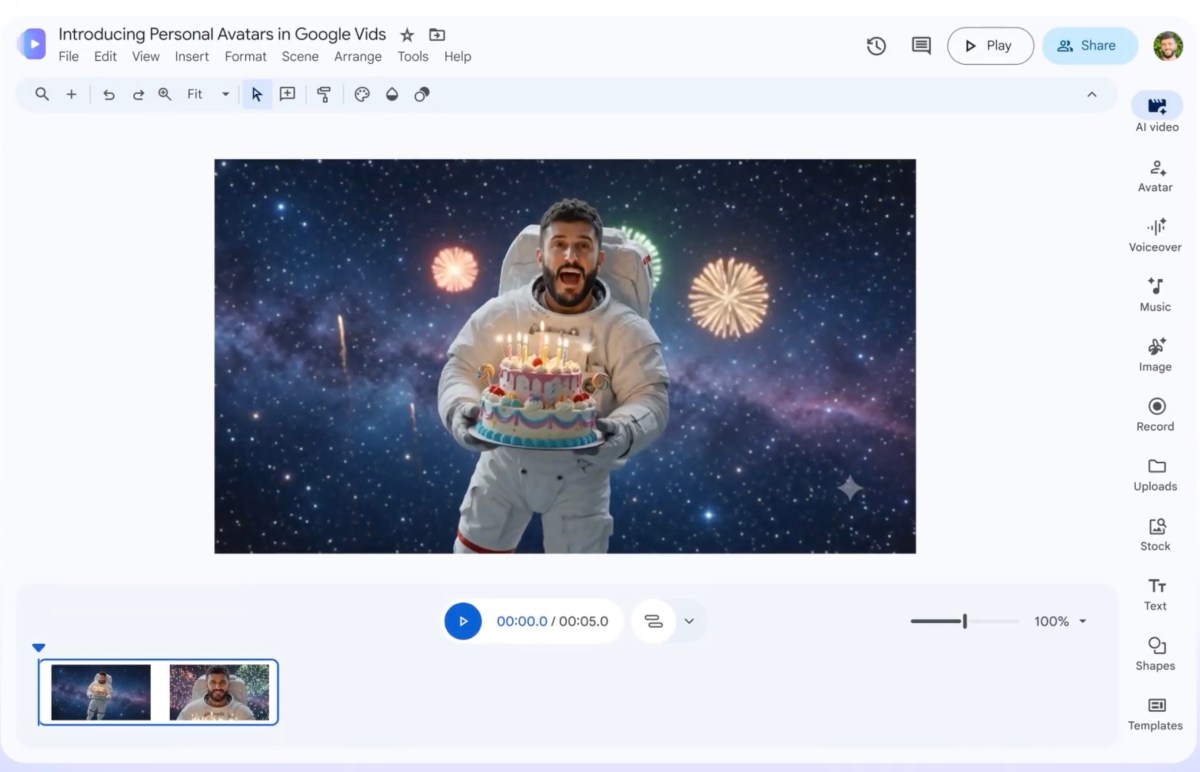
Google announced updates to Google Vids on Thursday that let you create a custom digital avatar based on a selfie and voice recording, and integrated its Gemini Omni multi-modal AI model to generate videos from written prompts and reference images. The tool now supports step-by-step edits instead of requiring you to start over.
Why it matters
Google is positioning Vids as an all-in-one video creation platform that moves beyond workplace presentations into direct competition with specialized AI video startups like HeyGen, Synthesia, Captions, and D-ID. Personalized avatars tied to your account and watermarked with SynthID prevent misuse (addressing privacy concerns that plagued OpenAI's Sora).
What to watch
Personal avatars are available only to users aged 18 or older in certain regions. Google has integrated Vids into Google Workspace, signaling its push as a business tool for company updates and training videos alongside consumer creative features.
Summaries like this, in your inbox every morning.
Google's move reflects a strategic choice to fill the gap left by OpenAI's shutdown of Sora. Rather than abandon the AI video space, Google is leveraging its Workspace distribution and Gemini technology to compete head-on with specialized AI video startups. The integration of personal avatars directly into a Google account, combined with invisible watermarking via SynthID, addresses the identity and impersonation risks that constrained Sora's public availability and user trust. By tying the avatar to the account holder's likeness and adding age and regional restrictions, Google is building guardrails that other tools in the space — HeyGen, Synthesia, Captions, D-ID — also employ. Positioning Vids within Google Workspace signals that the primary business use case (company training, internal updates) remains central, but the new avatar and creative features simultaneously invite comparison with purely consumer-facing platforms, widening Vids' addressable market.
Pick your industry and the AI tools you use, and get news related to your work every day.
Free · 30 seconds with Google · unsubscribe anytimeWhat is AIToday? →
Ask AI anything about this article. The AI reads this article, earlier AIToday articles, and Wikipedia, and cites its sources. Q&As are published on this page for other readers too.
In Q2, billionaires or their funds sold six 'Magnificent Seven' AI stocks
Nvidia was rising early Friday, even as the wider chip sector kept falling, Barron's reported
ElevenLabs completed a $300 million employee tender at a $22 billion valuation, and co-founder Mati Staniszews…
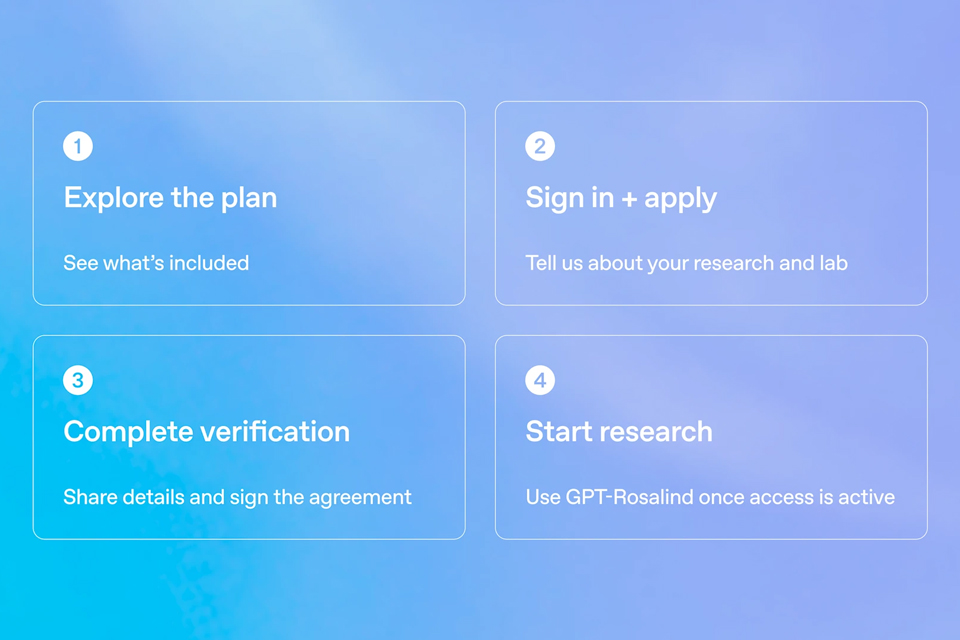
On October 15, OpenAI announced the Rosalind Academic Plan, giving approved US university labs free access to…
Neostellar Capital principal Evan Schlossman said CoreWeave's $103.7 billion in remaining performance obligati…
Supermicro Computer appointed Mark Long as chief financial officer, bringing an experienced technology finance…