What happened
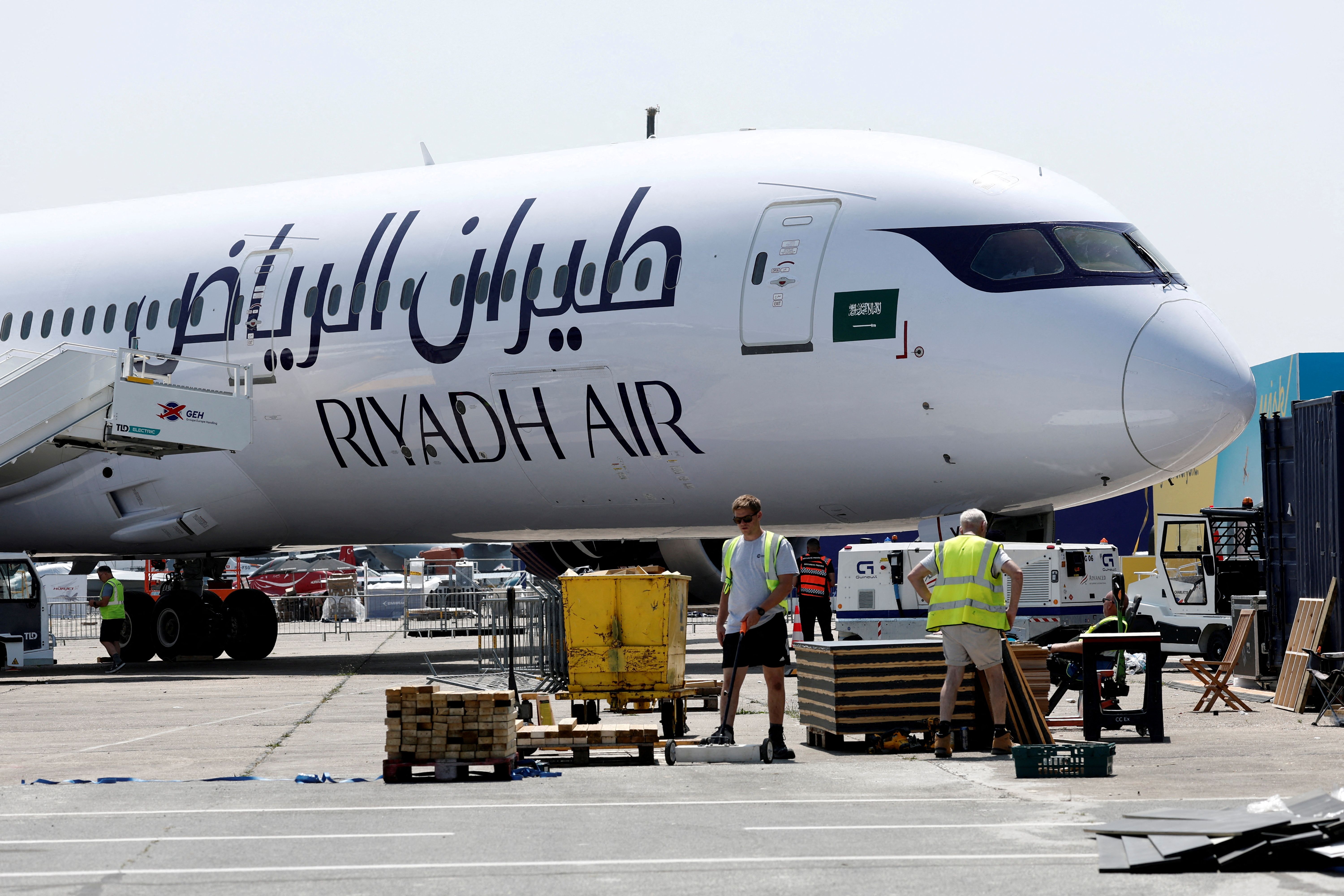
Saudi Arabia's Riyadh Air ordered 34 Airbus and Boeing widebody jets at Farnborough, while budget carrier Flynas committed to 25 Airbus aircraft. The UAE and Qatar, home to the region's three biggest carriers, placed no new orders this year.
Why it matters
The spending reflects Saudi carriers' push to defend their hub status as international airlines remain hesitant about the Gulf—Air France-KLM has repeatedly postponed resuming regular flights. Emirates, though not ordering at the show, is operating at 90% capacity and has signaled it will not defer existing orders.
What to watch
The UAE's aircraft registry just crossed 1,000 planes for the first time, with 554 operated by its own carriers, showing the region's continued fleet expansion despite the differing order strategies at Farnborough.
Summaries like this, in your inbox every morning.
The contrast between Saudi Arabia's aggressive aircraft purchases and the silence from UAE and Qatar carriers underscores a shift in regional competition for hub dominance. While Riyadh Air and Flynas are committing fresh capital to fleet expansion—34 and 25 aircraft orders respectively—the region's established giants (Emirates, Qatar Airways, and Etihad) are notably absent from Farnborough's order books. This does not signal retreat; Emirates' Tim Clark's statement that the airline operates at 90% capacity and will not defer orders suggests these carriers are managing growth through existing commitments rather than new announcements. Meanwhile, the UAE's aircraft registry milestone of 1,000 planes—554 flown by local carriers—demonstrates that physical expansion continues even without headline-grabbing order announcements. The broader context reveals vulnerability: international carriers such as Air France-KLM remain hesitant to restore Gulf operations, suggesting that regional airlines must spend to maintain their position as primary hubs for Middle East-Asia connectivity.
Pick your industry and the AI tools you use, and get news related to your work every day.
Free · 30 seconds with Google · unsubscribe anytimeWhat is AIToday? →
Ask AI anything about this article. The AI reads this article, earlier AIToday articles, and Wikipedia, and cites its sources. Q&As are published on this page for other readers too.

