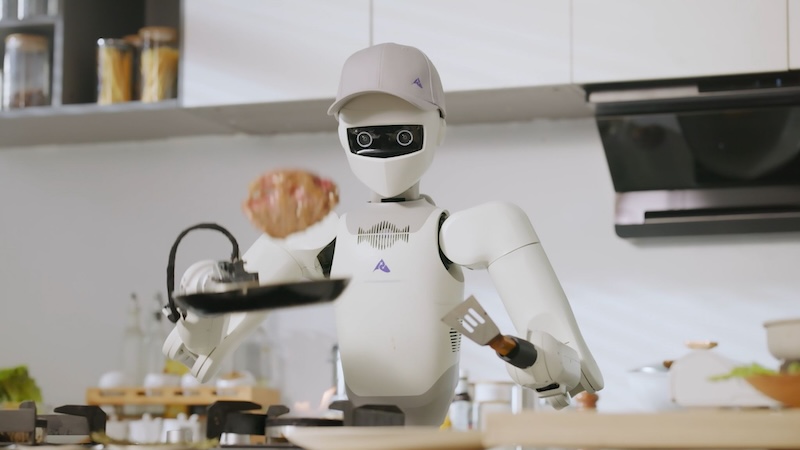
What happened
Astribot debuted its T1 humanoid to North America at IROS 2026, held September 27 to October 1 in Pittsburgh, with US pricing starting at $18,000 and orders open now.
Why it matters
A humanoid robot priced like a car rather than a lab instrument lowers the cost barrier for researchers and developers who want to build on a physical AI platform, rather than just buy hardware.
What to watch
T1 does not learn autonomously in real time during deployment, so its usefulness hinges on how well Astribot's data collection and over-the-air skill updates improve Lumo-2 after purchase.
Summaries like this, in your inbox every morning.
Astribot's North American debut is built around a three-layer pitch: its Lumo family of AI models, an embodied operating system, and a cable-driven robotic body. Rather than treating AI as a software layer bolted onto an existing robot, the company says it designs intelligence, the operating system and the physical body as one integrated system.
The OS layer appears aimed squarely at developers. T1 offers SDK and API access to joint control, Cartesian motion and whole-body coordination, plus sensor data, while Astribot OS provides meta-packages and skill libraries. At the second Astribot OS Hackathon, which concluded September 21 in Beijing, 15 teams built and demonstrated more than ten functional applications on T1 in 36 hours, according to the company.
The company's upgrade loop may be its real differentiator, or its biggest open question. T1 does not learn autonomously during deployment; instead Astribot gathers multimodal data from operation and teleoperation, retrains models such as Lumo-2, and pushes skills out through over-the-air updates or on-site calibration. Whether customers see that loop translate into meaningfully better household task performance likely depends on how quickly that retraining cycle turns.
Pick your industry and the AI tools you use, and get news related to your work every day.
Free · 30 seconds with Google · unsubscribe anytimeWhat is AIToday? →
Ask AI anything about this article. The AI reads this article, earlier AIToday articles, and Wikipedia, and cites its sources. Q&As are published on this page for other readers too.
Anthropic's new study says that if robot prices decline along past trends, it will take 40 years for robots to…
EQUES opened its Naraha Town office on September 8, and in 2026 began an 'Energy AI' business applying physica…

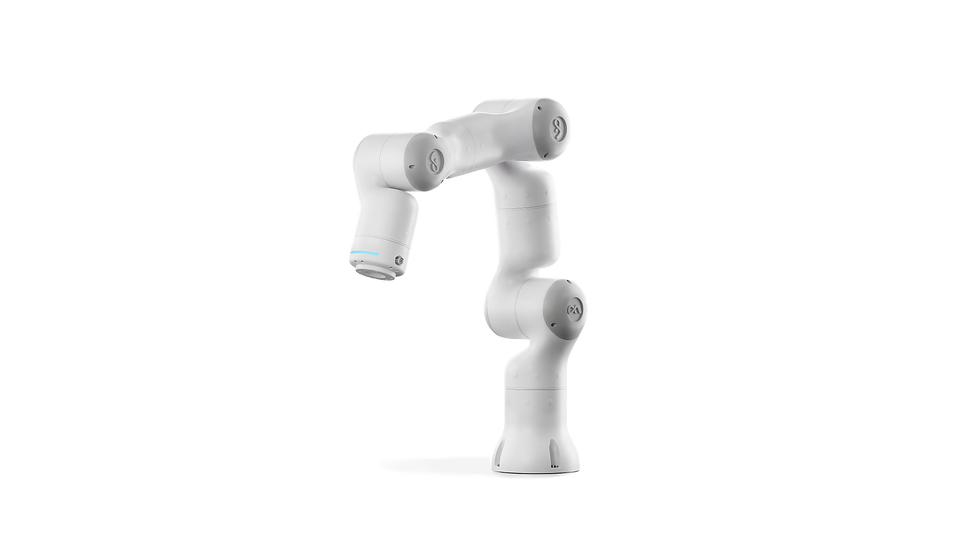
Flexiv demonstrated four force-controlled robot setups at IROS 2026, including a dual Rizon 4 teleoperation sy…
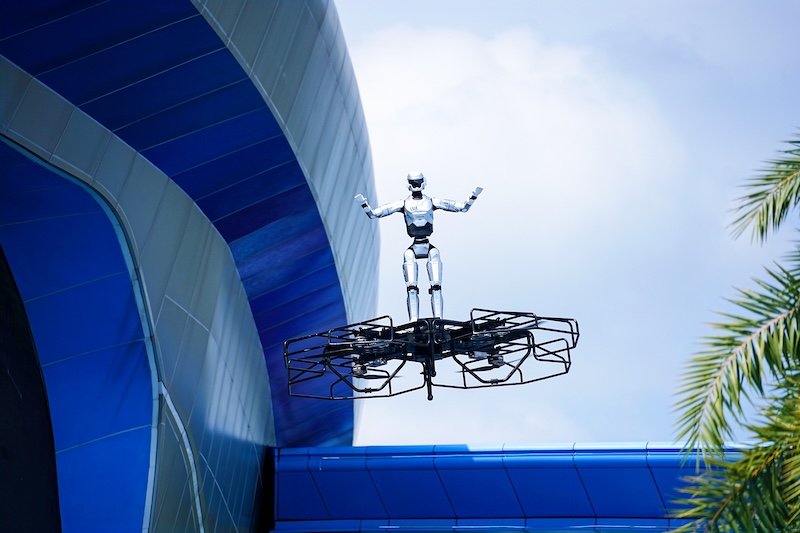
Agibot and Chimelong Group launched the first phase of an embodied AI deployment at Chimelong Spaceship Park…
On Micron's fiscal Q4 2026 earnings call, CEO Sanjay Mehrotra said humanoid robots are expected to need memory…
RobotPlusPlus closed a Series C worth "hundreds of millions of RMB (tens of millions of USD)" led by Qianggang…