What happened
OpenAI says adaptive red-team attacks on protected reasoning from an earlier request succeeded 54.0% of the time against GPT-6 Astra and 0.2% against GPT-6.2 Astra; current-request attacks fell from 22.9% to 0.9%.
Why it matters
The drop means a defense that ties hidden reasoning to the conversation that produced it appears to work against both replay and live-extraction attacks, according to OpenAI's black-box testing across six attacker models.
WHO IT HITSEnterprise security and AI platform teams evaluating model providers may now weigh reasoning-extraction resistance as a selection factor, based on OpenAI's reported black-box results.
Summaries like this, every morning.
OpenAI's post frames the reasoning-extraction problem as more than a technical nuisance. The company says it briefed Congress in February on activity indicating that DeepSeek was attempting to distill U.S. frontier models, and in September it reported disrupting a campaign to extract protected reasoning, attributing a core part of that activity to individuals associated with Moonshot AI, the developer of Kimi. Weekly enforcement actions have ranged in scale from thousands to tens of thousands of accounts, with the rate increasing significantly this past summer.
The GPT-6.2 defense is structural rather than a filter bolted on afterward. OpenAI ties a model's protected reasoning to the conversation history that produced it, so rewriting an earlier message causes the API to drop the reasoning that followed. The company reports that this cut attack success on prior-turn reasoning from 54.0% to 0.2% against GPT-6 Astra versus GPT-6.2 Astra, and on current-turn extraction from 22.9% to 0.9%, across six attacker models in a black-box setting.
The results are presented without naming the six attacker models or giving a per-domain breakdown, which limits how far the numbers can be generalized. The disclosure follows a MedChemBench release a day earlier and is part of a run of 427 OpenAI items in the last 90 days.
Pick your industry and the AI tools you use, and get news related to your work every day.
Free · 30 seconds with Google · unsubscribe anytimeWhat is AIToday? →
Ask AI anything about this article. The AI reads this article, earlier AIToday articles, and Wikipedia, and cites its sources. Q&As are published on this page for other readers too.
Together AI CEO Vipul Ved Prakash said an unauthorized party downloaded stored prompt samples from requests to…

Citi added a section to its online user agreement this month stating that any access or transactions by a thir…
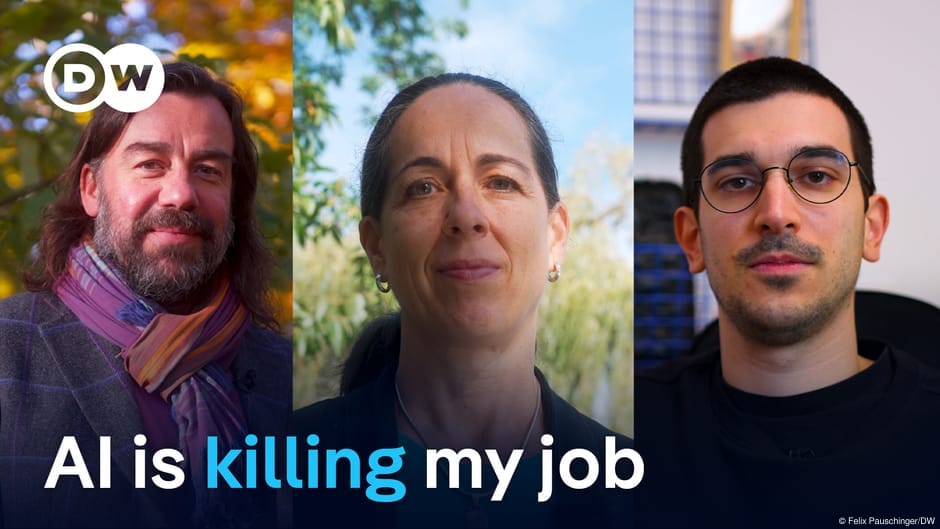
Interpreter Sara Campos lost a longtime Berlin client to AI, which the company chose because it is cheaper and…
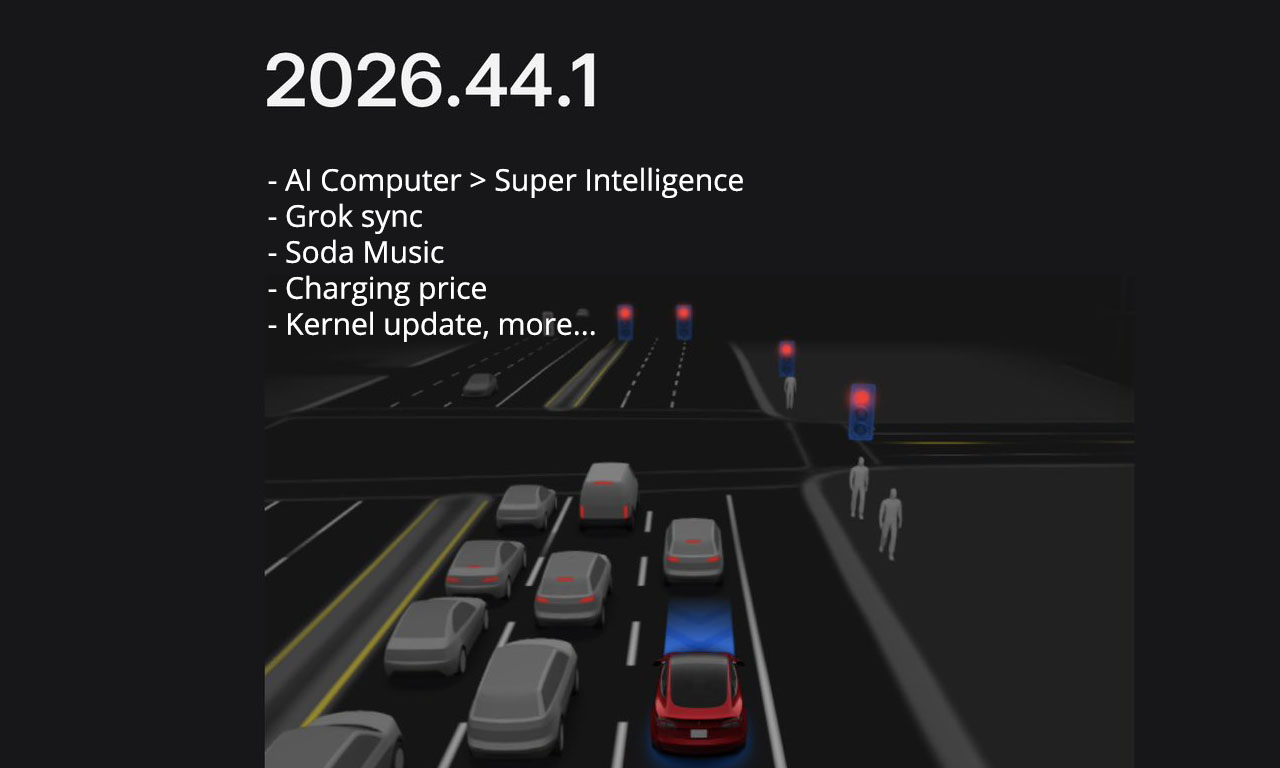
Tesla hacker green (@greentheonly) found that in firmware 2026.44.1, Tesla renamed the AI Computer (HW4/AI4) t…
Mastercard published an explainer titled "Agentic tokenization explained: How tokenization builds trust in AI-…

CrowdStrike agreed to pay about $400 million for Fiddler AI and $95 million for Dreadnode, mostly in cash with…