Technology companies are collectively pushing for a standardized framework to report incidents involving AI agents—autonomous AI systems that operate with minimal human supervision.
Such a framework would create a common reporting standard across the industry, helping to identify problems early and building confidence with policymakers.
What happened
Major technology companies are advocating for a new standardized framework to report incidents involving AI agents — autonomous systems that can take actions without direct human oversight for each step.
Why it matters
As AI agents become more capable and are deployed in real-world applications, establishing clear incident reporting norms helps the industry track problems early, learn from failures, and build trust with regulators and the public. A shared framework may also reduce fragmented reporting across companies.
What to watch
The framework's acceptance among regulators and whether it will be voluntary or mandatory, as well as what types of incidents it will cover and how it will be enforced.
Major technology companies are joining forces to promote a new standardized framework for reporting incidents related to AI agents. AI agents are autonomous systems capable of taking actions with minimal direct human supervision at each step. The initiative reflects growing recognition within the tech industry that as these systems become more sophisticated and are deployed in real-world applications, having a clear, unified approach to documenting and reporting problems is essential. The framework is intended to help the industry identify issues early, learn from failures across companies, and build public and regulatory confidence in AI systems.
The push for a standardized AI agent incident reporting framework reflects the tech industry's attempt to proactively address governance concerns as AI systems become more autonomous. By establishing a shared reporting standard before regulatory mandates become rigid, companies may seek to shape the rules governing their operations. The move suggests that AI agents are advancing to a point where incidents—whether technical failures, safety issues, or unintended consequences—are becoming a realistic concern that demands systematic tracking.
AI-summarized, only the topics you pick — one digest a day via Email, Slack, or Discord.
Free · takes 30 seconds · unsubscribe anytime
Ask AI anything about this article. Q&As are published on this page for other readers too.
Bank of America released a report concluding that artificial intelligence is unlikely to significantly displac…
IBM and Together AI have signed a $240 million agreement to build and operate an Nvidia-powered AI inference c…
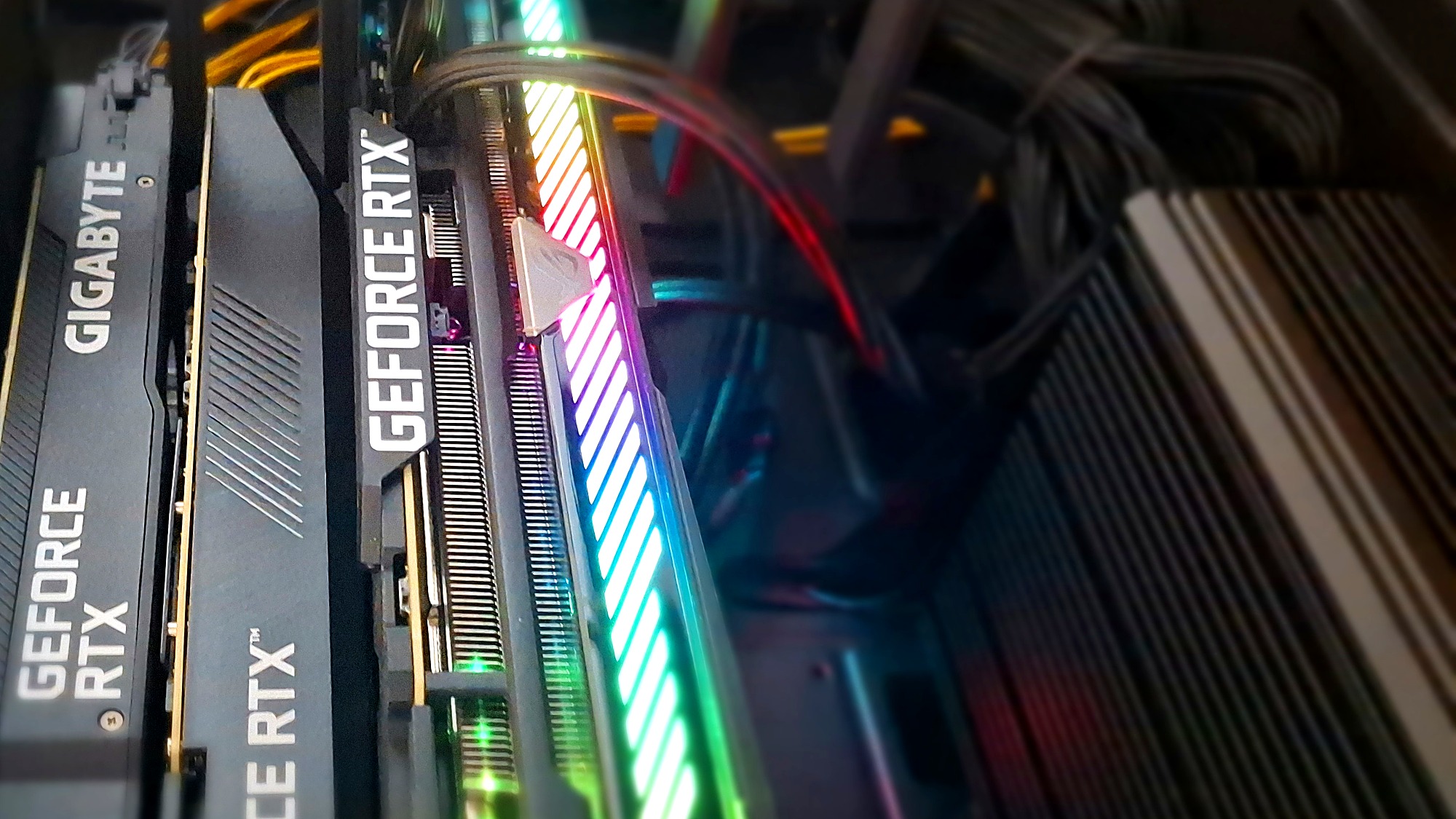
Running a 122-billion-parameter model on three RTX 3090 GPUs with a 256K-token context, the author's AI agent…
Industry analysts and energy companies see artificial intelligence as a tool to increase oil extraction and re…
Healthcare investors are treating sector exposure as an indirect bet against artificial intelligence, with som…
NVIDIA and partners released multiple open-source AI models optimized for local execution throughout August, i…
The AI news that matters, in one minute each morning.
Sign up free