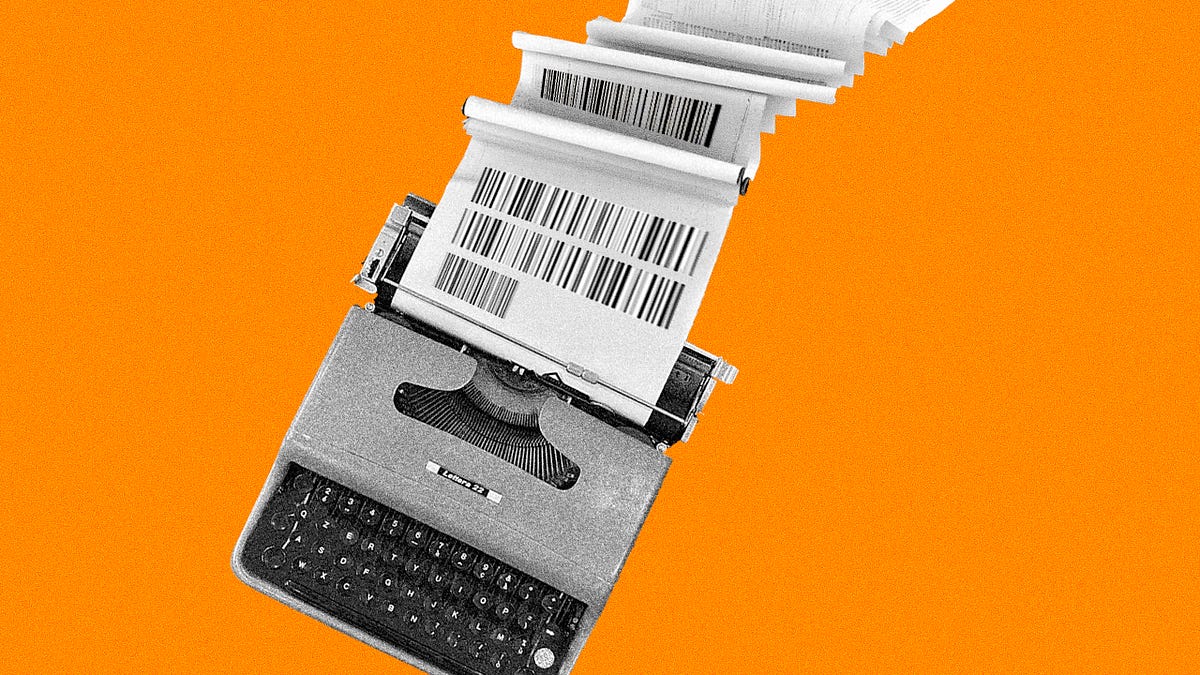
Substack has rolled out Scan for AI, a detection tool to identify AI-generated text in posts, reflecting reader concern about automated writing. Economist Tyler Cowen counters that the real question is not whether AI writing exists but whether it will improve enough to become undetectable—and, he argues, once it does, readers will likely accept it even if they don't know it came from AI.
Summaries like this, in your inbox every morning.
Sign up free →What happened
Substack has introduced Scan for AI, a tool using Pangram technology to detect AI-generated writing in posts. The service appears to address reader concern that AI-written content is becoming difficult to distinguish from human work.
Why it matters
Many readers dislike AI-generated text or believe they do, creating demand for detection tools. Economist Tyler Cowen, writing in response, argues the real issue is not AI writing itself but its quality — once AI-generated prose stops relying on recognizable clichés and obvious patterns, readers may accept or even prefer it without knowing the difference.
What to watch
Cowen's prediction hinges on whether AI writing improves enough to become indistinguishable from human prose. The existence of Scan for AI suggests Substack expects readers will want to know the origin of what they read, at least until AI quality reaches a tipping point.
Substack has begun offering Scan for AI, a new service built on Pangram technology, designed to estimate the prevalence of AI-generated writing within individual Substack posts. The move appears motivated by platform concerns that readers are leaving because many people either dislike reading AI-generated text or believe they do—a sentiment strong enough to affect readership and retention.
Tyler Cowen, an economist and prolific writer, has written in response that he understands the demand for such a tool. He has personally experienced the disorientation of reading Substack essays that impressed him with their apparent knowledge and scholarly depth, only to later discover they were not written by humans. After being burned this way several times, he says he can now usually identify AI writing by the second or third paragraph. His frustration is rooted in a specific problem: current AI writing exhibits clichés and obvious identifying marks that make detection possible with experience.
However, Cowen's core argument diverges sharply from the premise that drove Substack to build Scan for AI. He states unequivocally that he does not wish to eschew AI writing for the rest of his life. Instead, his primary desire is for AI writing to improve—to eliminate the clichés and telltale quirks that make it recognizable. His vision is AI writing good enough to fool readers, and he suggests it may already be achieving this for at least some essays. In other words, Cowen's position is that once AI-generated prose reaches sufficient quality, readers will either accept it knowingly or remain unaware of its origin, making the detection problem moot. The real issue, he implies, is not AI writing per se but the current generation's shortcomings in quality and subtlety.
The launch of Scan for AI reflects a real tension on Substack: while the platform has built its reputation on human-authored essays and long-form commentary, AI writing tools have become sophisticated enough that readers can no longer reliably distinguish automated text from human work by instinct alone. Substack's decision to offer detection reflects both reader anxiety and the platform's business interest—if subscribers feel deceived about authorship, retention suffers.
Cowen's response reframes the problem from detection to quality. He acknowledges that many readers find current AI writing irritating and full of recognizable patterns, making it easy to spot by the second or third paragraph. But his core claim is that this distaste is not fundamental to AI writing itself; rather, it is a temporary problem of quality. Once AI systems improve enough to avoid clichés and lose their telltale quirks, the distinction between AI and human writing may cease to matter to readers—or readers may not even realize they are reading AI-generated work. This suggests that Scan for AI, useful as a stopgap tool, may become obsolete if Cowen's prediction holds.
AI-summarized, only the topics you pick — one digest a day via Email, Slack, or Discord.
Free · takes 30 seconds · unsubscribe anytime
No comments yet. Be the first to share your thoughts!
Log in to join the discussion




Get curated AI news from 200+ sources delivered daily to your inbox. Free to use.
Get Started FreeFree · takes 30 seconds · unsubscribe anytime
