What happened
Barack Obama told House Minority Leader Hakeem Jeffries and Democratic donors that AI is "moving very fast in private hands" and that Democrats should make AI safety a "central agenda" in January.
Why it matters
House Democrats' AI policy framework, due this fall, does not yet mention health insurance by name, even though insurers like UnitedHealth already use algorithms in coverage decisions with almost no oversight.
Why it matters
UnitedHealth is spending $1.5 billion on AI in 2026 alone and credited that investment for a 270 basis point drop in its medical care ratio this year.
What to watch
Representative Alexandria Ocasio-Cortez and Terri Sewell, co-conveners of the House Democrats' Cost of Living Healthcare Working Group, are positioned to put concrete AI proposals on the table — but so far their public framing covers premiums, Medicaid cuts, and ACA tax credits, not AI in coverage denials.
WHO IT HITSHealth insurance executives and their legal teams face growing pressure over how algorithms influence coverage decisions, while state regulators and federal lawmakers weigh new rules requiring licensed clinician sign-off and appeal rights. Patients and their families are directly affected as the lawsuits over nH Predict and PxDx move forward.
Ask the AI about this article →
Summaries like this, in your inbox every morning.
Obama's remarks to Jeffries and donors come as House Democrats are already working on an AI policy framework, with the House Democratic Commission on AI and the Innovation Economy launched last December and a framework due this fall. The article argues that if that framework doesn't mention health insurance by name, it will have missed the industry already furthest along in using AI to influence decisions about who lives, who dies, and who pays.
Health insurers are not waiting for Congress. Colorado now requires bias audits and guaranteed appeal rights for AI-driven coverage decisions, while California and Texas have moved to require that a licensed physician, not an algorithm alone, sign off on any denial based on medical necessity. But the article notes that bias audits raise a bigger question of what counts as bias, since an algorithm can pass discrimination checks and still be designed to advance the insurer's financial interests.
The stakes hinge on whether Jeffries' broader framework, or the working group led by Ocasio-Cortez and Sewell, takes up specific AI proposals — human review requirements, transparency, and audit rights — rather than staying focused on premiums, Medicaid cuts, and ACA tax credits. UnitedHealth is spending $1.5 billion on AI in 2026 alone, and its second-quarter medical care ratio fell 270 basis points this year, which executives credited directly to that investment. Whether lawmakers act on the algorithms already shaping coverage decisions may determine whether patients have a real path to appeal before those decisions become harder to challenge.
For example, today's edition would include:
AI-summarized, only the topics you pick — one digest a day via Email, Slack, or Discord.
Free · 30 seconds with Google · unsubscribe anytimeWhat is AIToday? →
Ask AI anything about this article. Q&As are published on this page for other readers too.
OpenAI reportedly agreed to buy smartphone camera software startup Glass Imaging for more than $300 million, p…

Aron Inc. launched with $8 million raised across two rounds

At the AI ROI in Contact Center Summit, analysts Bob Laliberte and Zeus Kerravala said contact center AI ROI w…
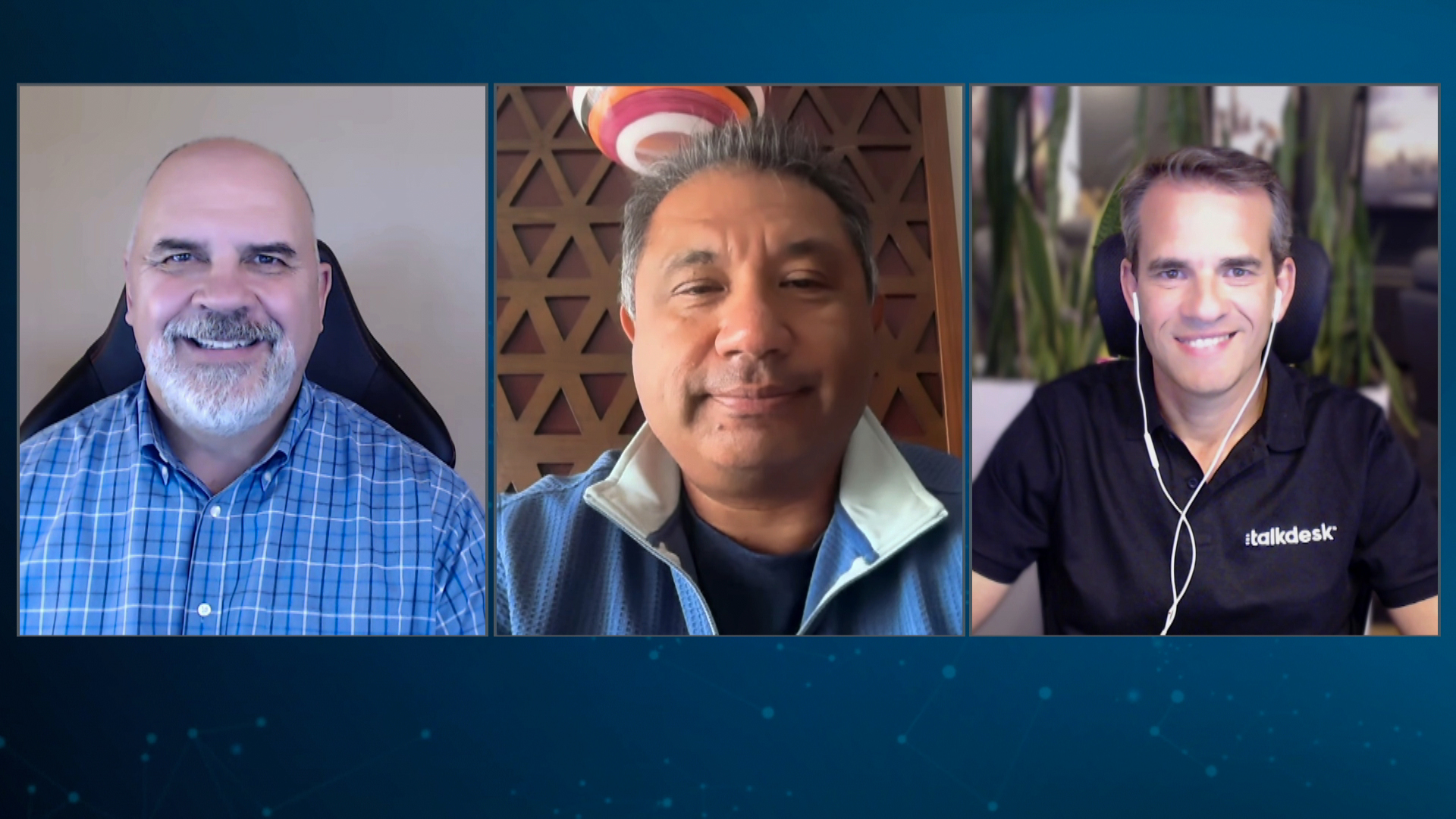
Pedro Andrade, Talkdesk's VP of AI and generative AI business specialist, told theCUBE that CXA is "an operati…
Nvidia invested US$3.5 billion in MediaTek convertible bonds, expanding cooperation into custom AI chips, AI P…

TechTouch surveyed 319 people overseeing generative AI at firms with over 1,000 employees