What happened
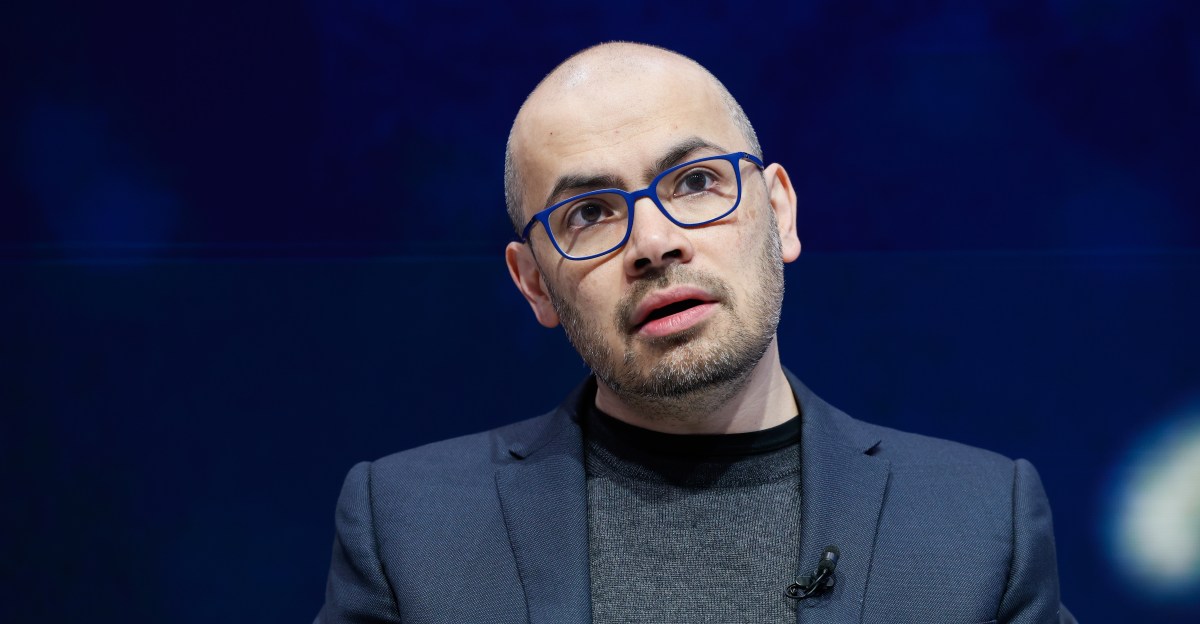
Demis Hassabis, CEO of Google DeepMind, published a blog post proposing the creation of a global AI regulator with the power to evaluate frontier models before release and order industry-wide slowdowns if systems are judged too dangerous. According to Axios, Hassabis has spent months building support for the proposal, including briefing the Trump administration, other AI labs, and European officials, and hopes to have the organization operational before the end of the year.
Why it matters
Hassabis argues the US should lead the initiative because of its economic and technical standing, and that such a regulator—resembling bodies like the Financial Industry Regulatory Authority—is becoming urgent as AI systems grow more sophisticated. Currently, there is no global set of rules governing AI specifically, nor a comprehensive set of rules nationally in the US. Hassabis, who jointly won the 2024 Nobel Prize in Chemistry for AI-based protein prediction work, frames AGI as arriving within only a few short years.
What to watch
Hassabis told Axios that the noises he has been hearing from the Trump administration are very positive. The proposed organization would be made up of leading independent experts and representatives from open-source communities.
Summaries like this, in your inbox every morning.
Hassabis' proposal arrives at a moment when AI governance remains fragmented. The article notes that there is no global set of rules governing AI specifically, and the US itself lacks comprehensive national rules. This regulatory vacuum has prompted multiple voices in the AI industry and economics to push for more structured oversight. Hassabis himself has been active on governance questions; last month he signed a statement calling for tougher protections against AI-aided bioweapons production, and he is now building a broader coalition for systematic regulation. The choice of the US as the proposed leader reflects Hassabis' view that the country's economic and technical position makes it best suited to set global standards. His framing of AGI as arriving within a few short years—combined with references to standing in "the foothills of the singularity"—underscores the urgency he sees for establishing guardrails before more advanced systems arrive.
Pick your industry and the AI tools you use, and get news related to your work every day.
Free · 30 seconds with Google · unsubscribe anytimeWhat is AIToday? →
Ask AI anything about this article. The AI reads this article, earlier AIToday articles, and Wikipedia, and cites its sources. Q&As are published on this page for other readers too.
Vercel data published Thursday shows TypeSafe AI's Jev, a lightweight decision model for choosing among predet…

Reflection AI introduced Beam, an open-weight model for agentic coding and long-horizon tasks, with 501 billio…
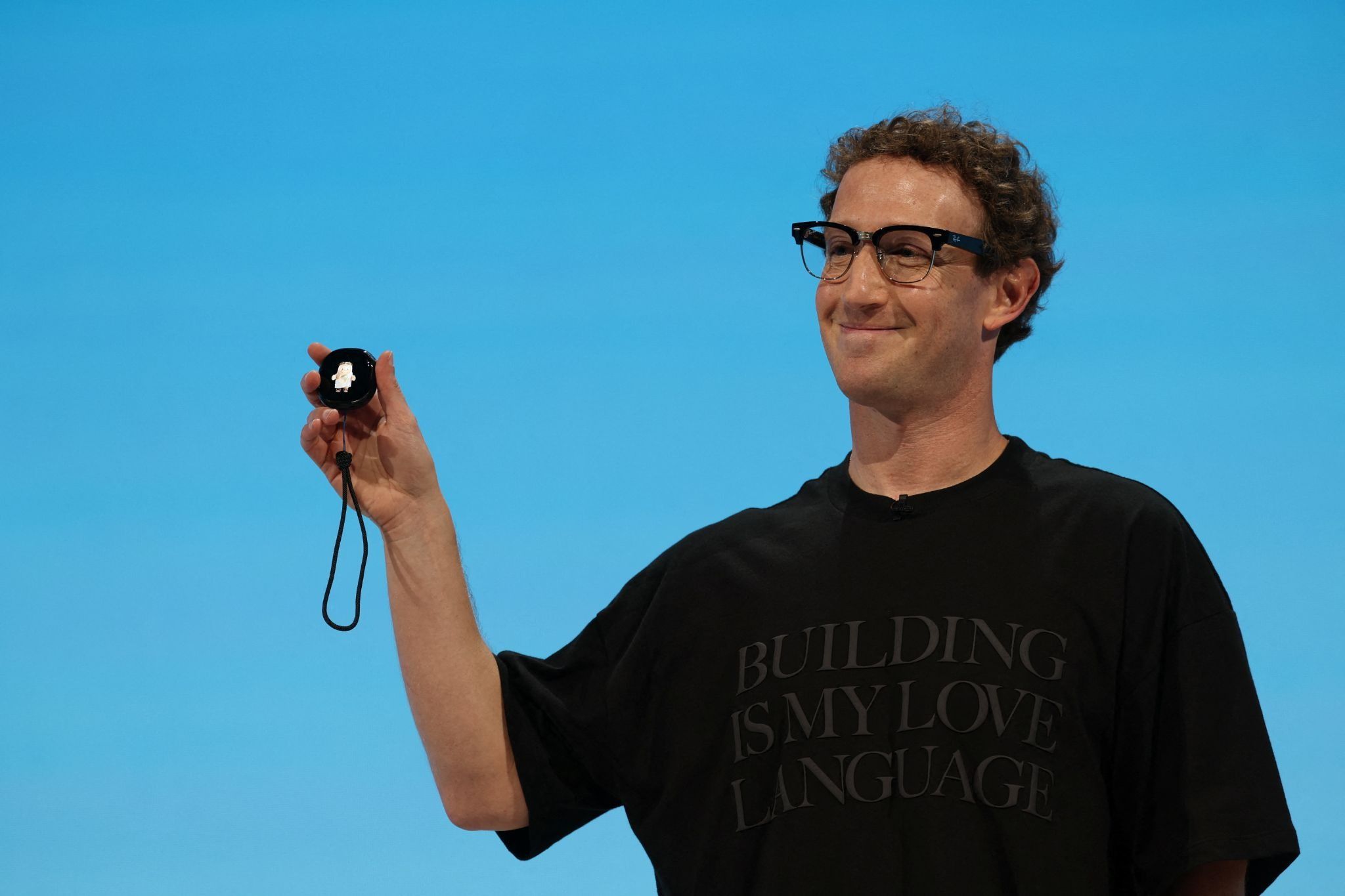
Apple and Meta said they would jointly release a new open-weight AI model designed to run on high-end Macs, ai…
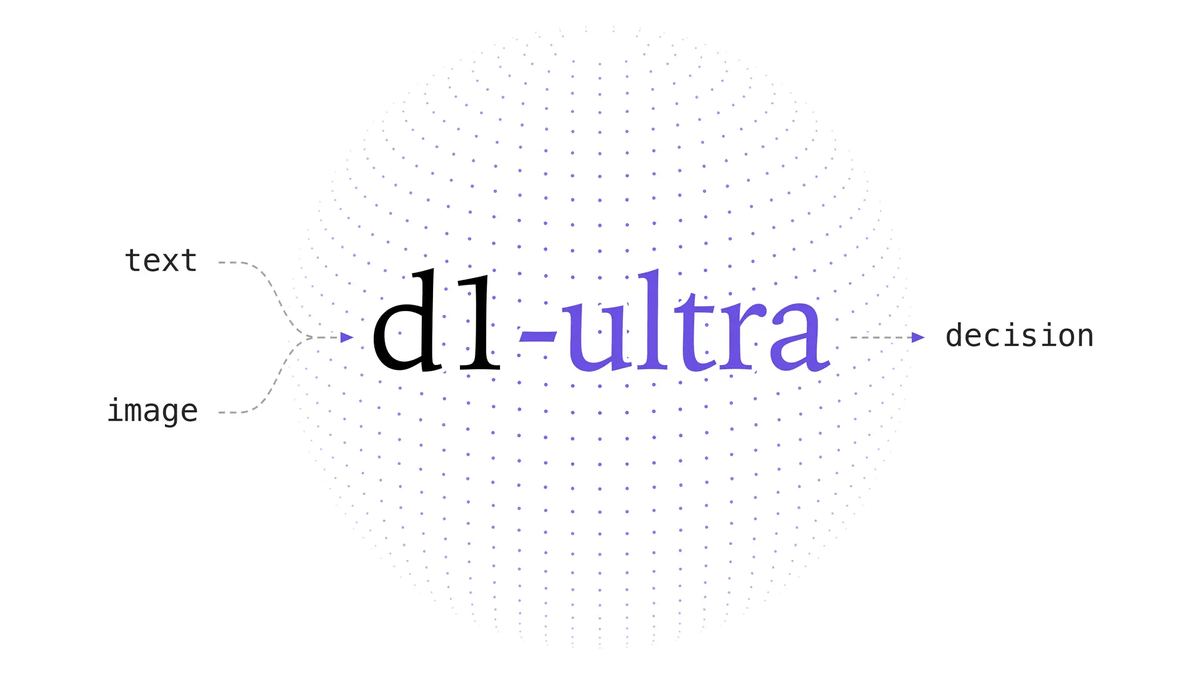
Liquid AI released d1-ultra on October 15, 2026, an upgraded open-weights decision model that averaged 76.7 ac…
NVIDIA released Nemotron 3.5 Super VL, an open-weight model with 120 billion parameters that handles text, ima…

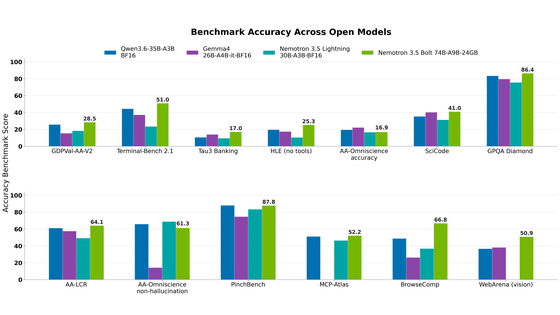
NVIDIA released Nemotron 3.5 Bolt 74B-A9B 24GB, an AI model for local agents that hits over 80 tokens per seco…