What happened
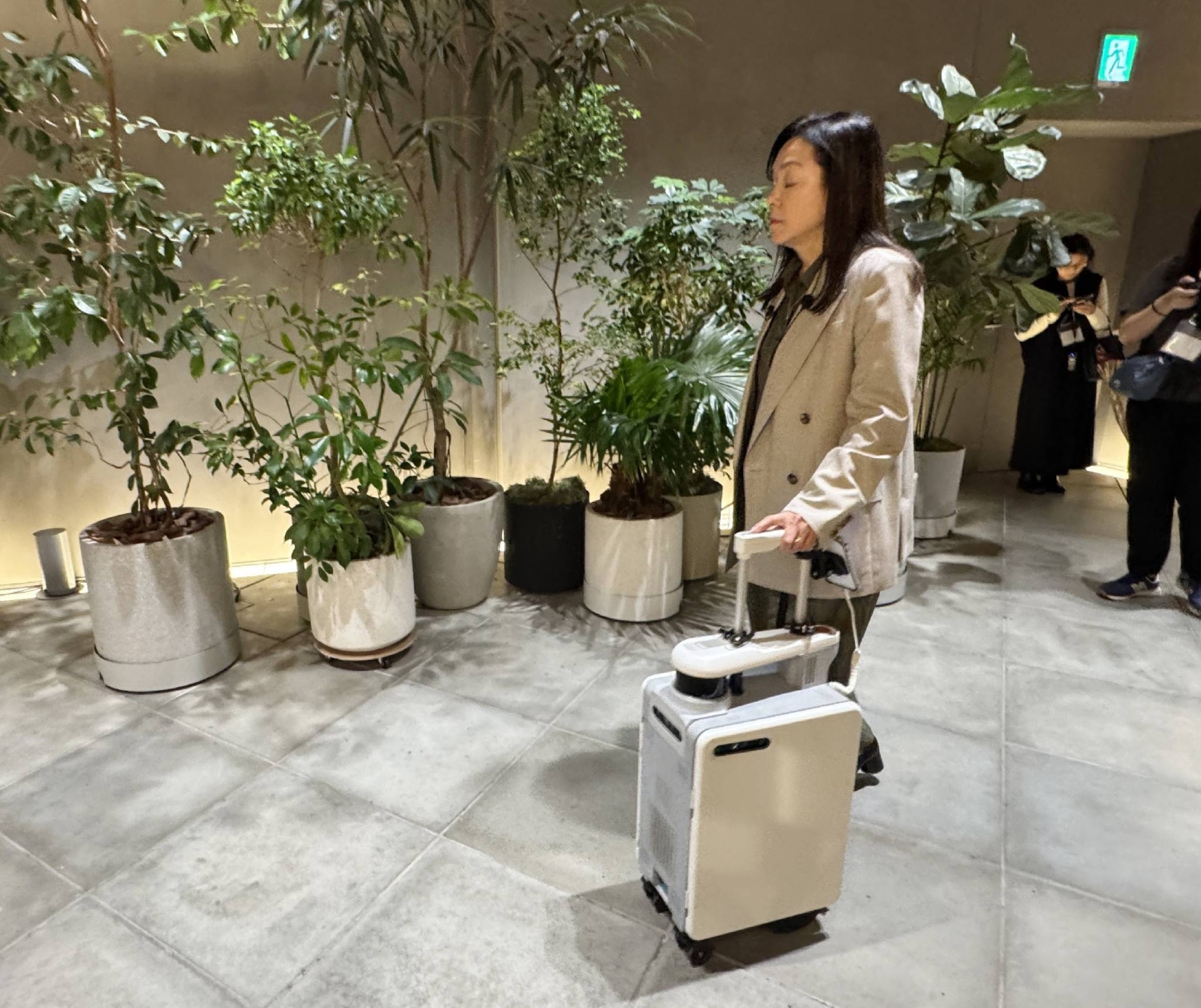
Mori Building and others demonstrated a suitcase-shaped AI robot in Tokyo on Monday that guides visually impaired people. The Toranomon Hills trial runs through October, with two courses, including one indoors and outdoors.
Why it matters
The device uses sensors and cameras to detect walls and obstacles so users can move safely, and its built-in AI chatbot can answer questions about stores and products when trained on that information.
What to watch
The organization behind the robot has said the aim is a future rental service, so the test is whether tourists, commuters and other daily users adopt it beyond this trial.
WHO IT HITSVisually impaired city residents and visitors who could one day rent the device for navigating stores and streets would be the most direct users of this technology.
Summaries like this, in your inbox every morning.
The demonstration in Tokyo brings together a commercial landlord, Mori Building, and a group of companies supporting the robot's development under the AI Suitcase Consortium banner, with cooperation from others. The two courses described for the Toranomon Hills trial — one guiding users through indoor and outdoor areas, another open to any visitor — suggest the organizers want both real-world testing and broader public exposure within the same month-long window.
The robot itself is the product of the National Museum of Emerging Science and Innovation, and director Chieko Asakawa, who has impaired vision, framed the project in terms of a personal ambition: walking around town independently. The device pairs sensors and cameras for obstacle detection with an AI chatbot that can field questions about stores and products once trained on that information.
Whether the trial translates into a rental service will hinge on how the robot performs outside controlled demonstrations, and on whether the consortium's backers see enough value to support a commercial rollout. For visually impaired users and the stores and venues that might host such a service, the October test is likely to be an early signal of feasibility rather than a finished product.
Pick your industry and the AI tools you use, and get news related to your work every day.
Free · 30 seconds with Google · unsubscribe anytimeWhat is AIToday? →
Ask AI anything about this article. The AI reads this article, earlier AIToday articles, and Wikipedia, and cites its sources. Q&As are published on this page for other readers too.
SAIL generates a trajectory with a VLM, runs it in a simulator, scores progress from video, and sends the corr…

The Medical Device and Diagnostic industry is navigating regulatory changes as AI moves from screen to surgica…

Daifuku CEO Tomoaki Terai said at the International Logistics Exhibition 2026 that the company is developing a…

NXHD has begun accepting applications for the second round of its startup co-creation program, targeting AI an…

Matternet unveiled M3 on September 28, 2026 — a three-part system of aircraft, dock and drop-box portal, with…
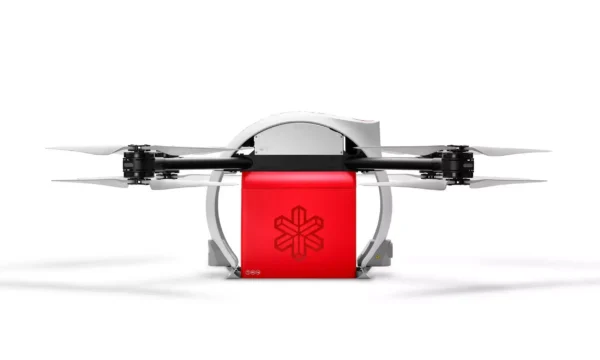
Skydio announced the F10 Lightrunner on September 24, 2026 at its Ascend conference