What happened
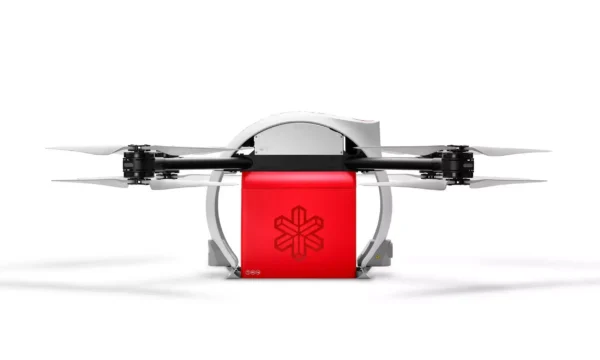
Matternet unveiled M3 on September 28, 2026 — a three-part system of aircraft, dock and drop-box portal, with packages up to 11 pounds within a 10-mile radius.
Why it matters
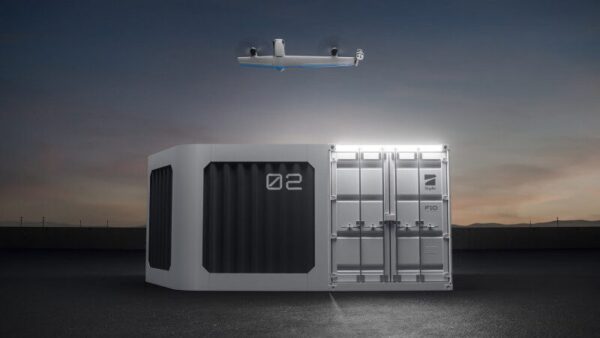
A restaurant, retailer or hospital can run a rooftop micro-hub with no operator on site, which Matternet frames as making drone delivery a utility-like service.
What to watch
Commercial service is targeted for the second half of 2027, so the plan hinges on whether launch partners like Dave’s Hot Chicken and Apian scale into high-volume use.
WHO IT HITSRestaurants, retailers, hospitals and industrial logistics operators that want on-demand delivery without dedicating staff to handoffs may gain a new option, though no commercial service is promised before the second half of 2027.
Summaries like this, in your inbox every morning.
Matternet’s M3 arrives after the company built and operated commercial drone delivery networks in the United States and Europe for more than a decade. Its predecessor, the M2, was the first drone delivery system to receive both standard type certification and production certification from the FAA — a regulatory milestone the company now cites as proof the model works for demanding use cases. The M3 is designed to move beyond that proof point by adding a dock and a low-cost, off-grid drop-box portal so senders can deposit packages without an operator present.
The announcement also fits Matternet’s recent corporate steps: the company began trading on the OTCQB under the ticker MTTN earlier in September 2026, and it plans to build M3 aircraft manufacturing capacity in the United States while drawing on a strategic partnership with SoftBank Robotics America announced in April 2026. Named launch partners Dave’s Hot Chicken in the U.S. and Apian in the U.K. — the latter already operating a drone delivery network for the National Health Service in Central London — suggest the company is starting with food and healthcare, two segments where speed and reliability matter most.
What the outcome hinges on is whether Matternet can convert these partnerships into high-volume instant delivery before the targeted second half of 2027, and whether the roof-level micro-hub model proves practical for restaurants, retailers and hospitals that would need to install and rely on the hardware. The company’s ambition to make drone delivery a utility-like layer above cities is likely to be tested by that commercial rollout rather than by the technology alone.
Pick your industry and the AI tools you use, and get news related to your work every day.
Free · 30 seconds with Google · unsubscribe anytimeWhat is AIToday? →
Ask AI anything about this article. The AI reads this article, earlier AIToday articles, and Wikipedia, and cites its sources. Q&As are published on this page for other readers too.
The Medical Device and Diagnostic industry is navigating regulatory changes as AI moves from screen to surgica…

Daifuku CEO Tomoaki Terai said at the International Logistics Exhibition 2026 that the company is developing a…

NXHD has begun accepting applications for the second round of its startup co-creation program, targeting AI an…

Skydio announced the F10 Lightrunner on September 24, 2026 at its Ascend conference
On Tuesday, more than a dozen organizations — including Bay Resistance, Tech Workers Coalition and the Service…

DIU launched the Low Cost ISR (LC-ISR) Challenge on September 29, 2026, with responses due October 14, offerin…