What happened
AI2Web, an open interoperability layer, launched to let websites describe their capabilities once and automatically expose them across multiple AI protocols—MCP, ACP, REST, and GraphQL—plus a Discovery Network where AI agents can find AI-ready sites.
Why it matters
Website owners today juggle separate tools for Google Search Console, Bing Webmaster Tools, and other platforms; AI2Web consolidates AI agent integration into one unified dashboard, eliminating the fragmented portal problem. The protocol stays vendor-agnostic and works today without waiting for OpenAI or Anthropic to adopt it.
What to watch
The Discovery Network is live at directory.ai2web.dev; the protocol, specification, and SDKs are free and open source (MIT for code, CC-BY 4.0 for the spec), with optional paid hosted endpoints and enterprise features. Support covers TypeScript, PHP, Python, Go, .NET, WordPress, and React.
Summaries like this, in your inbox every morning.
Website owners today face a fragmentation problem that mirrors the early days of search: juggling Google Search Console, Bing Webmaster Tools, Yandex, Baidu, and a dozen validators, each with its own portal and rules. AI2Web is designed to prevent the same fragmentation from happening with AI agents, offering a single unified capability model above multiple protocols rather than forcing website owners to rebuild for each agent or protocol separately.
The protocol's design reflects two core insights from the article. First, it aims to reduce wasted compute: having every AI agent scrape and render a full HTML page consumes significant resources, whereas sharing a few kilobytes of structured capability data avoids parsing, bandwidth, and energy overhead. Second, it prioritizes security by design—read operations like order tracking execute instantly, but money-moving actions (refunds, purchases, cancellations) always return a preview for user approval before execution, with an audit trail.
AI2Web's commercial strategy mirrors open-source infrastructure models: the protocol, specification, and SDKs are free and open source, while optional hosted endpoints, capability analytics, and enterprise features form the paid tier. The live Discovery Network at directory.ai2web.dev allows agents to find AI-ready websites immediately, and support across TypeScript, PHP, Python, Go, .NET, WordPress, and React lowers the adoption barrier across technology stacks.
Pick your industry and the AI tools you use, and get news related to your work every day.
Free · 30 seconds with Google · unsubscribe anytimeWhat is AIToday? →
Ask AI anything about this article. The AI reads this article, earlier AIToday articles, and Wikipedia, and cites its sources. Q&As are published on this page for other readers too.
Google Deepmind's Gemini 4 Argon scored 97.5 percent on ARC-AGI-3 at a cost of $4,800, second only to GPT-6 As…
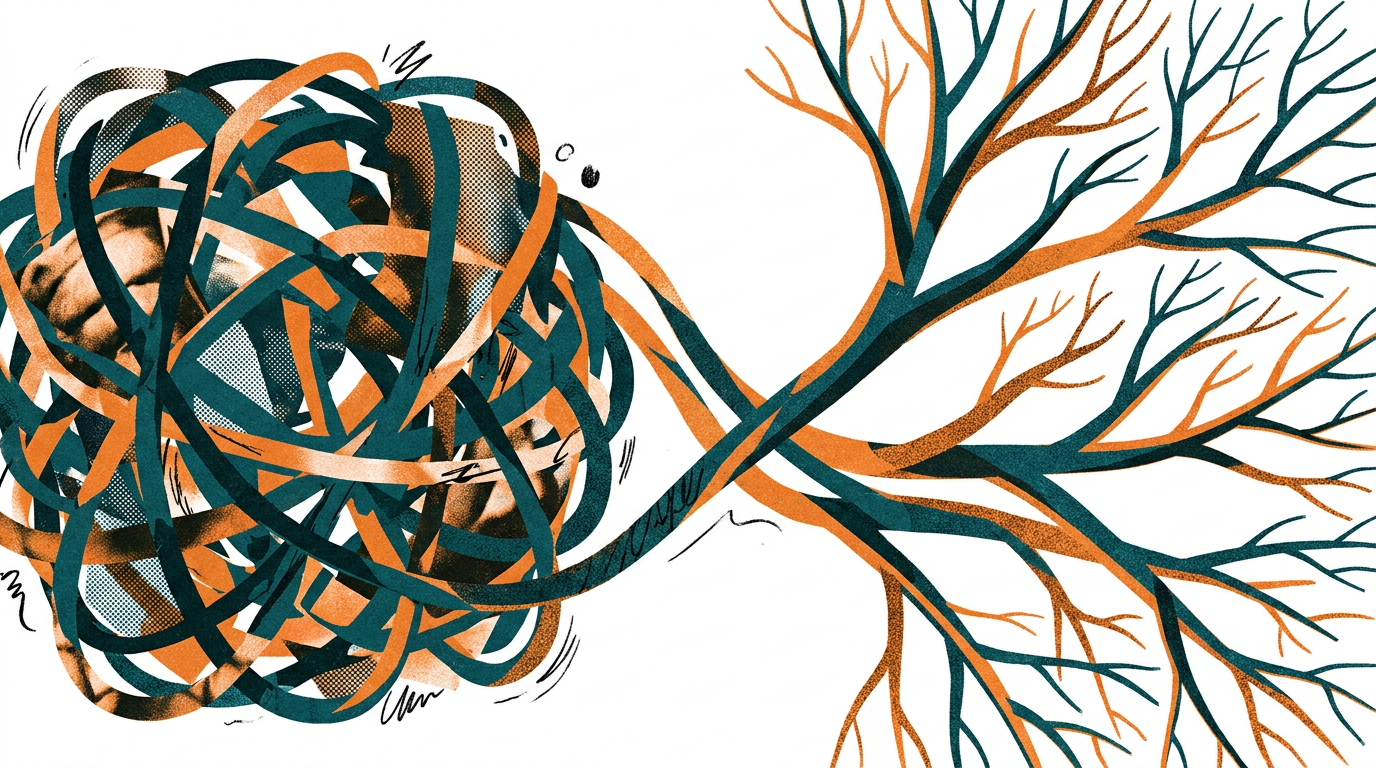
Cammarata reinterprets InceptionV1's cat-car neuron as a V-shape detector, not two unrelated concepts
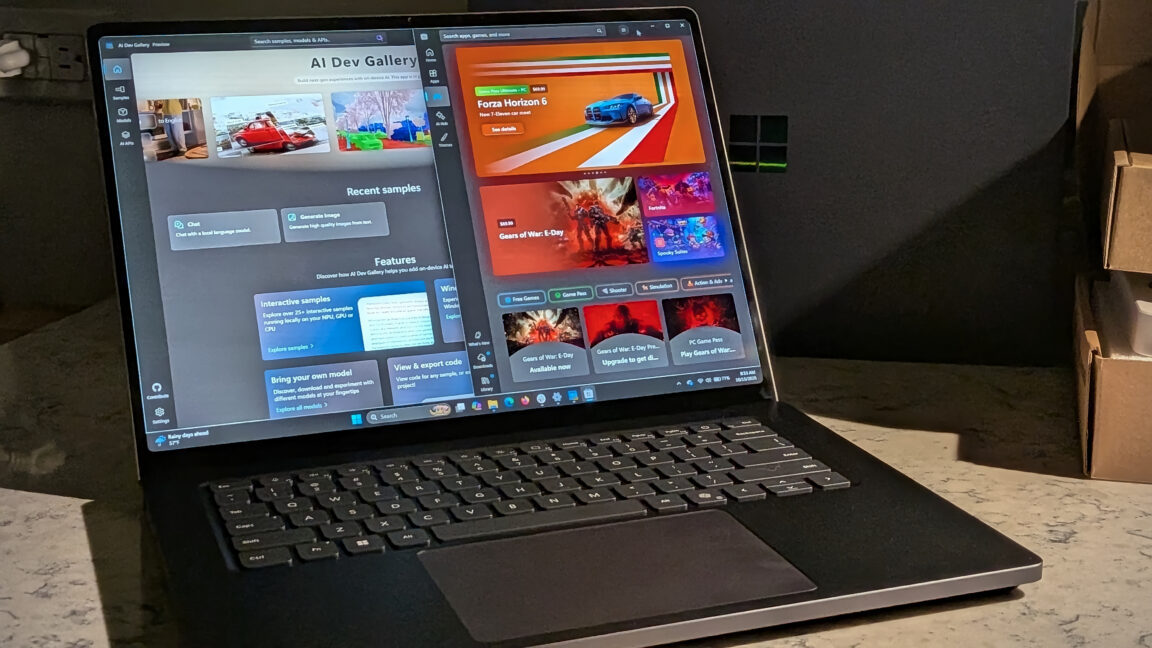
Microsoft's Surface Laptop Ultra, using Nvidia's RTX Spark platform, starts at $2,599 (up to $5,899)
Meta's new commercial terms, effective October 30th, appear to let it crawl and train AI on content from websi…
Vercel data published Thursday shows TypeSafe AI's Jev, a lightweight decision model for choosing among predet…
Reflection AI introduced Beam, an open-weight model for agentic coding and long-horizon tasks, with 501 billio…